
What is Ultherapy and how does it lift the skin?
Ultherapy is a non-surgical lifting treatment that uses micro-focused ultrasound to heat precise points in deep tissue, including the SMAS layer tightened in surgical facelifts. This stimulates new collagen and elastin, gradually lifting the brows, cheeks and jawline and firming the neck. Built-in ultrasound imaging lets the doctor see the tissue layers and place energy at the right depth.
- Session time
- 40–90 minutes, by area
- Comfort
- Warmth and tingling; pain relief options
- Downtime
- Minimal; redness for a few hours
- Typical course
- Often a single session
- Results
- Gradual lift over 2–6 months
- Maintenance
- Usually every 12–18 months
Suitability Who is Ultherapy suitable for?
Ultherapy is best for mild to moderate laxity, when skin has begun to loosen but has not yet folded significantly. It suits people who want a gradual, natural lift rather than an obviously changed face.
- Sagging cheeks, jawline or neck
- Drooping eyelids or a lowered brow
- Fine lines and wrinkles due to ageing
- Early skin laxity or collagen loss
- A wish for a natural, non-surgical facelift effect
The technology How does Ultherapy work?
Deep focused energy
Micro-focused ultrasound creates tiny thermal points beneath the surface while leaving the skin surface intact.
Targets the SMAS
Energy reaches the supportive layer tightened in surgery, as well as the deep dermis, for genuine structural lift.
Real-time imaging
The doctor sees the tissue layers on screen, which supports accurate depth targeting and safety.
Gradual collagen renewal
New collagen and elastin form over months, improving lift, density and texture.
Ultherapy is an FDA-cleared device. For a comparison of lifting technologies, see Thermage FLX and Shurink.
 Before
After
Treatment areas Which areas can Ultherapy treat?
Face
- Full face and jawline
- Brow and eye area for a subtle brow lift
- Cheeks and mid-face
Neck and chest
- Neck and under the chin, including submental laxity
- Décolletage lines and crepey chest skin
Your visit What happens during Ultherapy?
- Consultation and laxity assessment The doctor examines skin thickness, laxity and facial structure and agrees the areas to treat.
- Depth planning with imaging Real-time ultrasound visualisation is used to plan treatment depths for each zone.
- Treatment Sessions last 40–90 minutes. You may feel warmth and tingling, or brief deeper sensations over bony areas; comfort measures are available.
- After the session Minimal to no downtime. Temporary redness or tenderness usually fades within hours.
Results and combinations When will I see results, and what pairs well with Ultherapy?
Some patients notice an initial firming, but the main lift develops gradually over 2–6 months as collagen rebuilds, with continued improvement for up to six months. Results commonly last a year or more, and maintenance is usually planned every 12–18 months.
Combination options
- Thermage FLX for complementary skin tightening
- MINT or PDO threads for immediate lift with collagen benefits
- Rejuran Healer or exosome boosters for regeneration and hydration
- Potenza for texture and fine lines
Supporting results
- Daily SPF to protect new collagen
- Hydrating, barrier-friendly skincare
- Avoid smoking and excessive sun
Answers from our doctors Frequently Asked Questions
Does Ultherapy hurt?
Most patients feel warmth and tingling, with stronger sensations over bony areas such as the jawline. Discomfort is short-lived, and the doctor can adjust settings or use comfort measures.
How long do Ultherapy results last?
Results develop over 2–6 months and commonly last a year or more, depending on age, skin quality and lifestyle. Many patients plan maintenance every 12–18 months.
Is there downtime?
Downtime is minimal. Temporary redness or tenderness typically fades within hours, and occasional mild swelling or tenderness can last a few days. Most people return to normal activities straight away.
How many sessions do I need?
Many patients need only one session for a noticeable improvement, followed by maintenance. Those with more laxity may benefit from combination treatments.
What is the difference between Ultherapy and Thermage?
Ultherapy uses focused ultrasound to reach deep layers including the SMAS for lift, while Thermage uses RF to tighten the dermis. They are often combined; see Thermage FLX.
Can Ultherapy replace a facelift?
Ultherapy cannot replicate the results of surgery for significant sagging, but it offers a gradual, natural lift for mild to moderate laxity without incisions or recovery time.
Expertise & trust Why patients choose Bailor Clinic
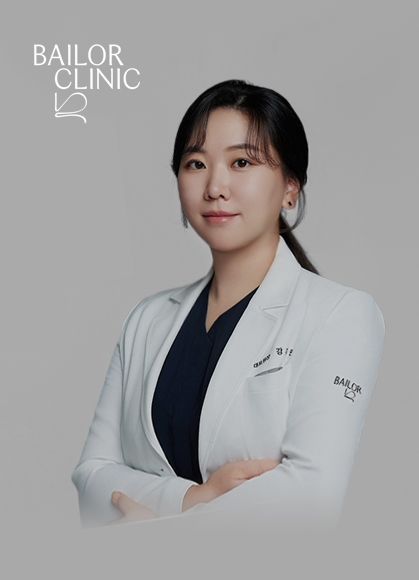
Dr. Jimin Kang
Medical Director · Bailor Clinic, Gangnam
Every treatment plan at Bailor Clinic is designed and performed by a licensed physician. Dr. Kang leads our medical team and reviews treatment protocols so that results look natural, safe and consistent for Korean and international patients alike.
- Doctor-performed only Treatments are carried out by physicians, not delegated to staff.
- Genuine products, strict protocols Premium, authentic formulations and devices used under standardised safety protocols.
- English-speaking support Consultation and aftercare in English via WhatsApp and KakaoTalk.
- Private 1:1 rooms Discreet treatment rooms in Sinsa, near Sinsa and Jamwon stations.
This page is for general information and does not replace a medical consultation. Suitability, number of sessions and results depend on your skin and are confirmed by a doctor at Bailor Clinic.