
What causes rough skin texture and how is it treated?
Rough skin texture is an uneven, bumpy or dry-feeling surface caused by dead-cell build-up, congested or enlarged pores, acne marks and slower collagen turnover. Treatment works best in layers: gentle exfoliation and deep cleansing to clear the surface, laser or RF microneedling to remodel the dermis, and skin boosters to restore hydration, so the skin becomes smoother and more radiant over several sessions.
- Session time
- 30–60 minutes
- Comfort
- Mild warmth or tingling; numbing if needed
- Downtime
- Slight redness or flaking for 1–3 days
- Typical course
- 3–5 sessions, 2–4 weeks apart
- Results
- Smoother feel within days; refinement over weeks
- Maintenance
- Every 1–3 months
Understanding texture Why does skin feel rough or uneven?
Smooth skin reflects light evenly. When the surface becomes irregular, light scatters, the complexion looks dull and foundation catches on dry patches. Roughness usually has more than one cause, which is why a single facial rarely solves it for long.
Slow cell turnover
Dead cells build up on the surface, leaving skin thickened, flaky or keratinised, especially with age.
Congested pores
Excess oil and debris stretch the pore opening and create small bumps. See large pores.
Acne marks and scarring
Past breakouts can leave shallow indentations and an uneven surface. See acne scar treatment.
Dehydration and collagen loss
A weak barrier and thinning dermis make the surface less plump and more prone to fine crepiness.
Suitability Who is the texture programme suitable for?
- Rough, bumpy or uneven skin that feels gritty to the touch
- Enlarged pores and recurring congestion
- Post-acne marks or mild, shallow scarring
- Dull, dry or flaky skin that does not improve with moisturiser
- Thickened or keratinised areas, often on the cheeks and forehead
Sensitive or reactive skin can still be treated, but the doctor will start with gentler settings and prioritise barrier repair first.
Options at Bailor Which treatments smooth rough skin?
Our Skin Texture Renewal Program combines surface and deep treatments according to your skin thickness, sensitivity and how much recovery time you have.
Laser resurfacing
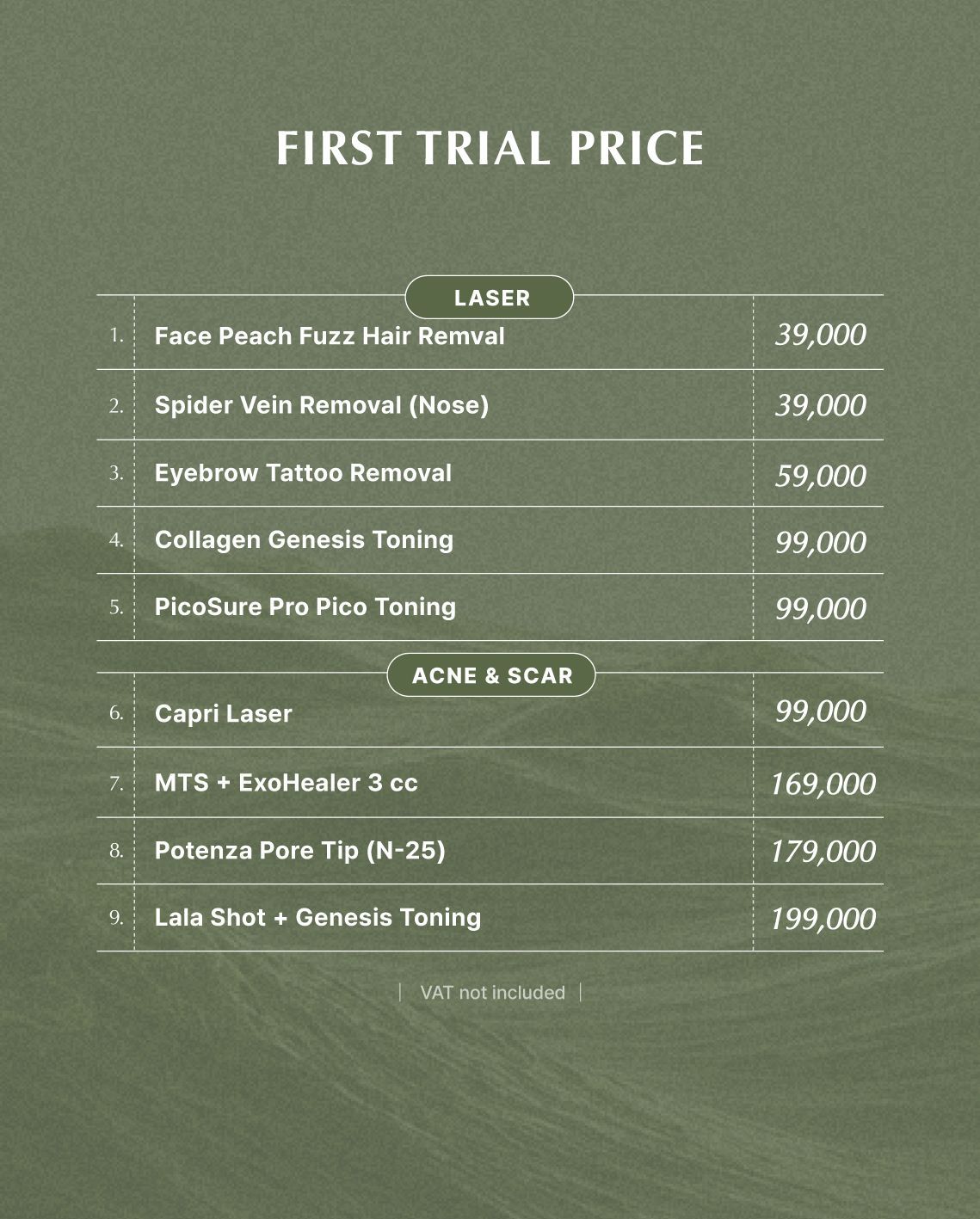
PicoWay, fractional laser and Genesis polish the surface, refine pores and even out irregular texture.
RF microneedling
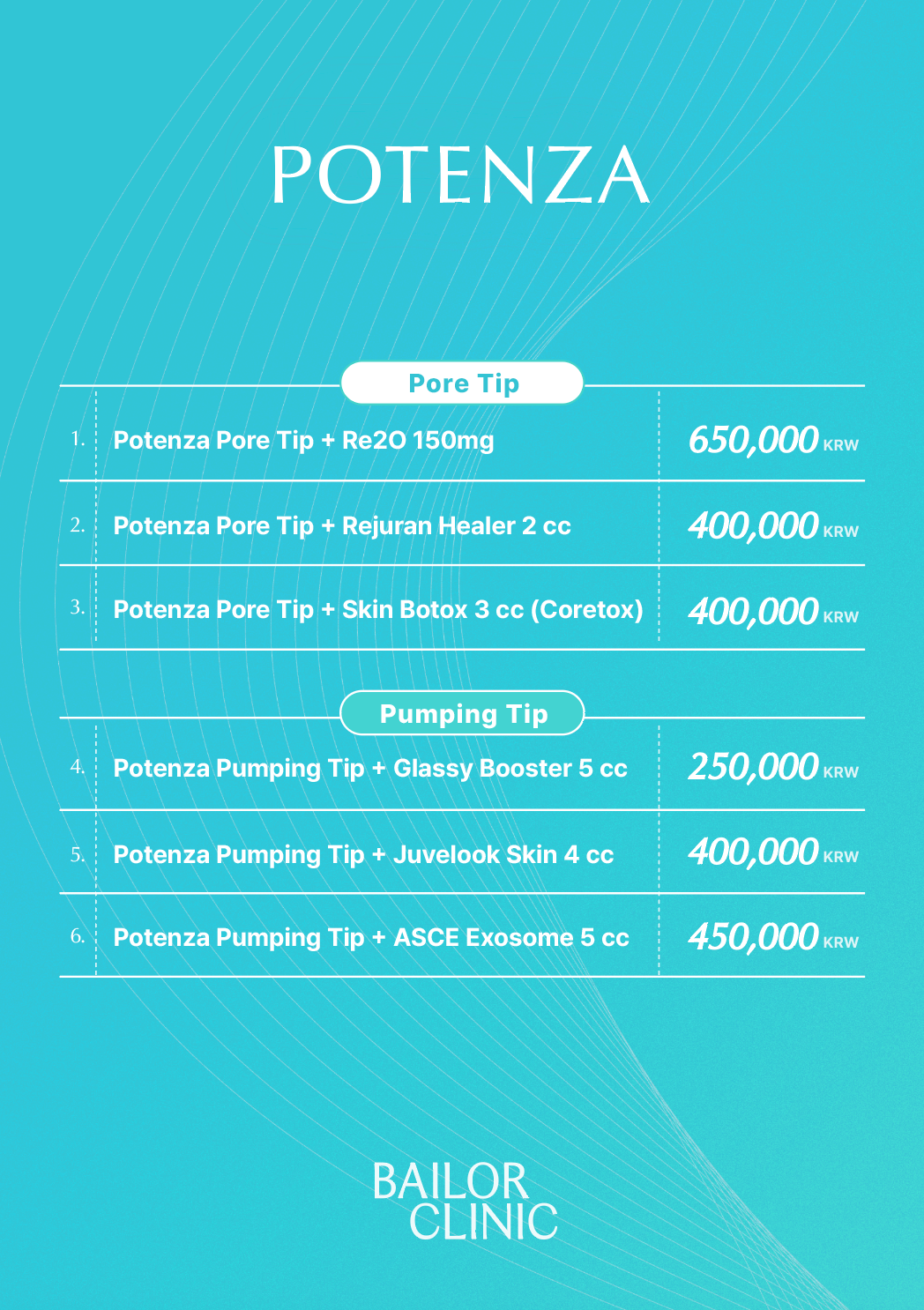
Secret RF or Potenza stimulate collagen remodelling in the dermis for longer-term refinement.
Deep cleansing and peels
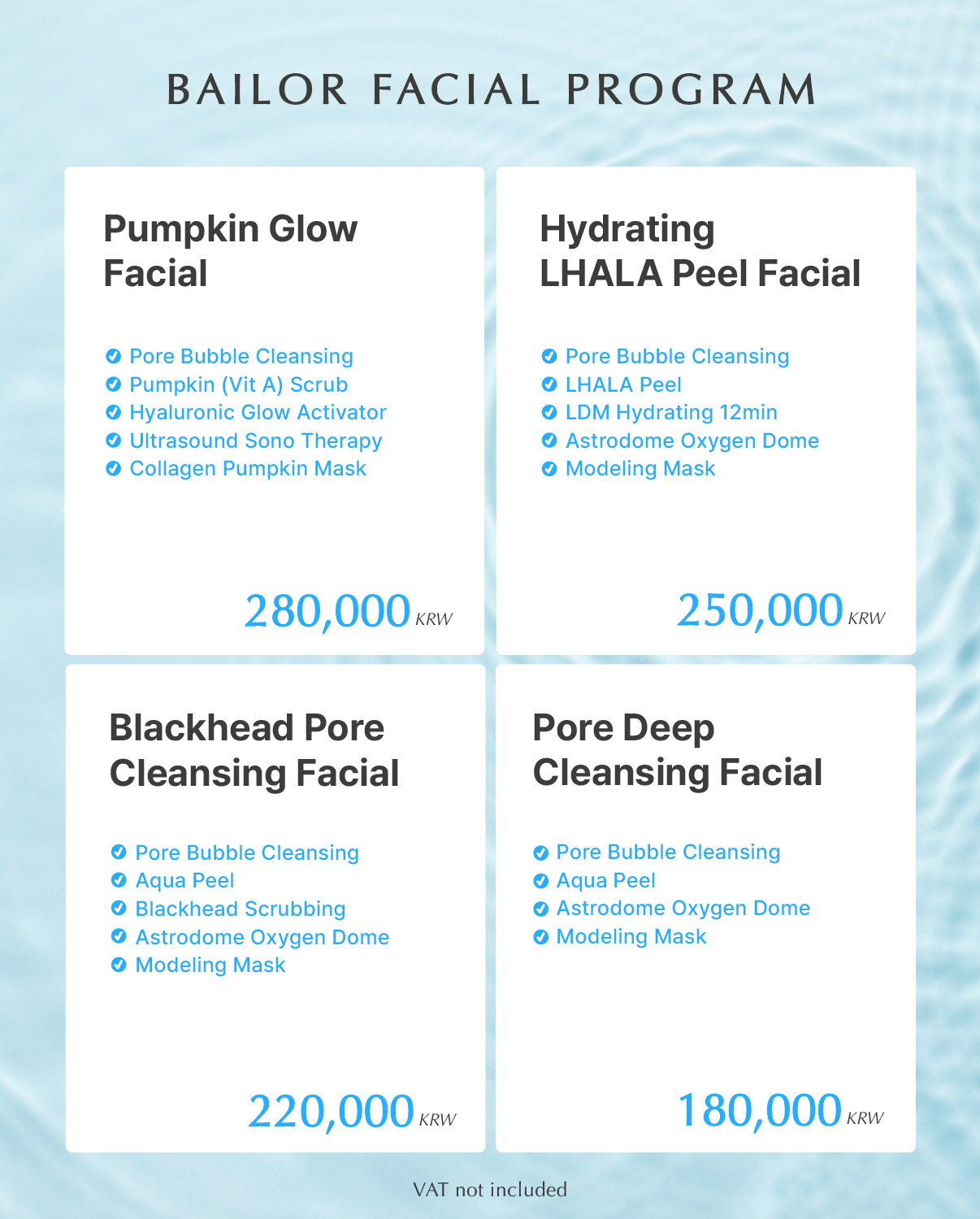
HydraFacial, Aqua Peel, chemical peels and the LHALALA Peel clear pores and speed up cell turnover.
Skin boosters
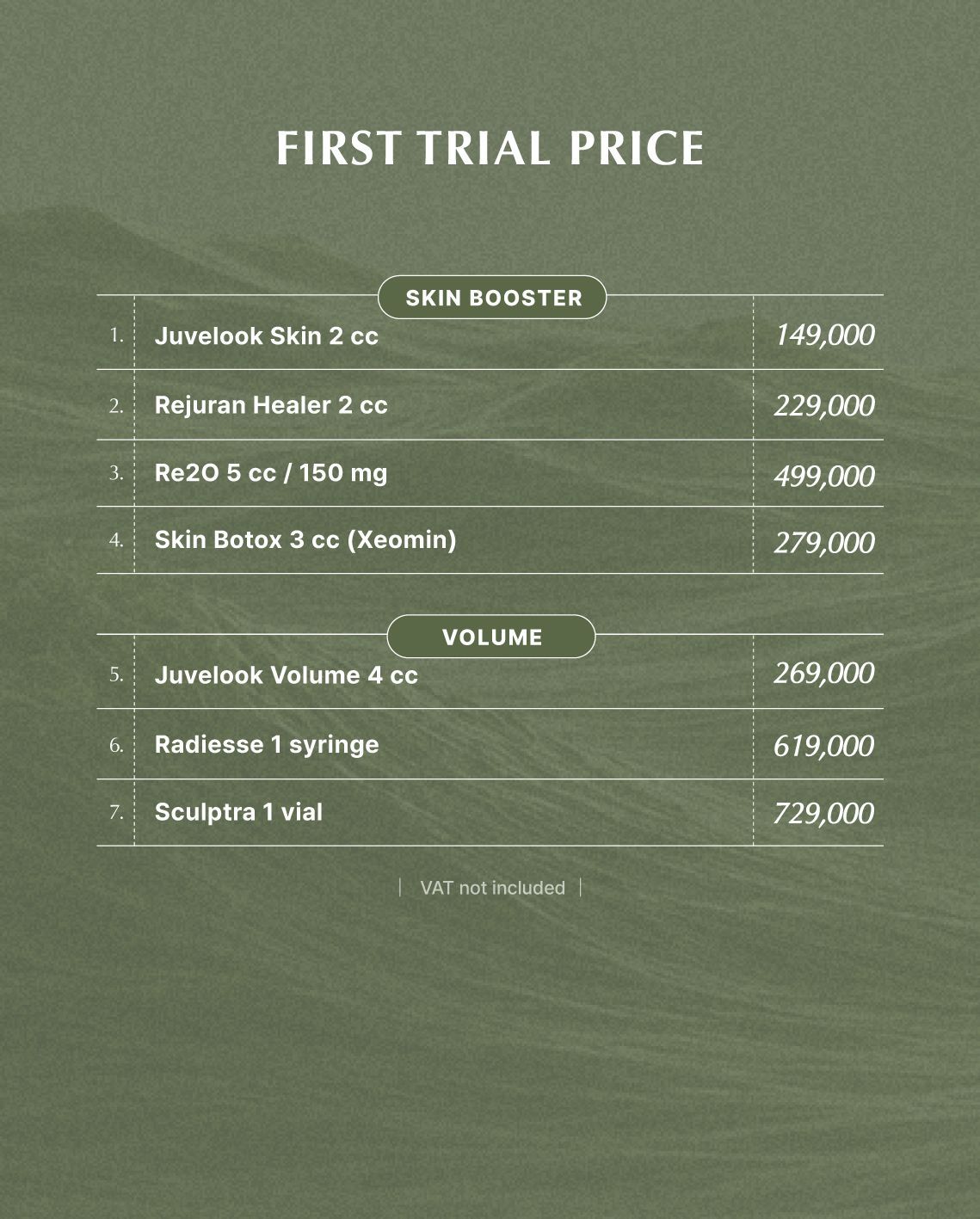
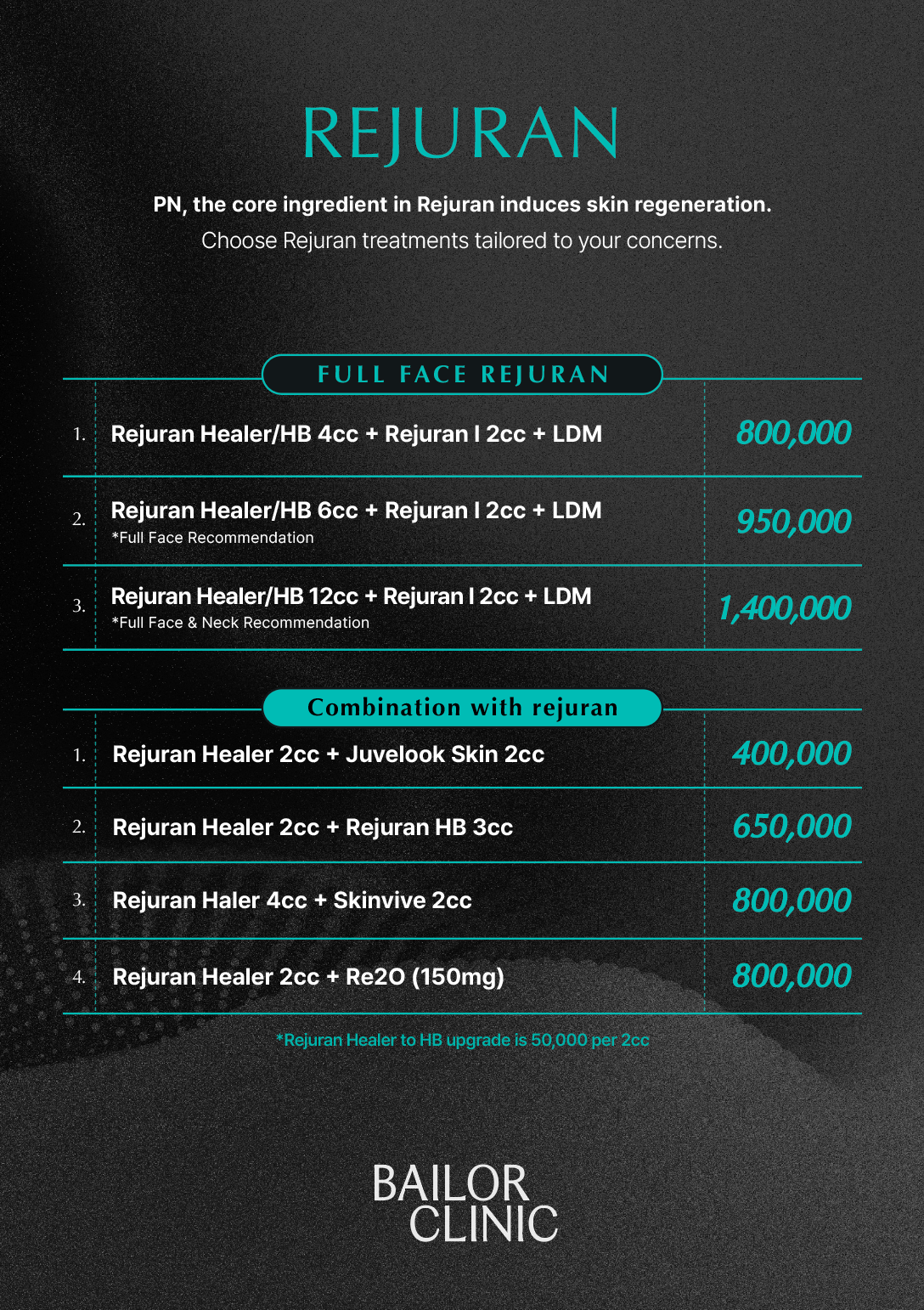
Rejuran Healer, Juvelook, exosomes and NCTF Filorga restore hydration and smoothness from within.
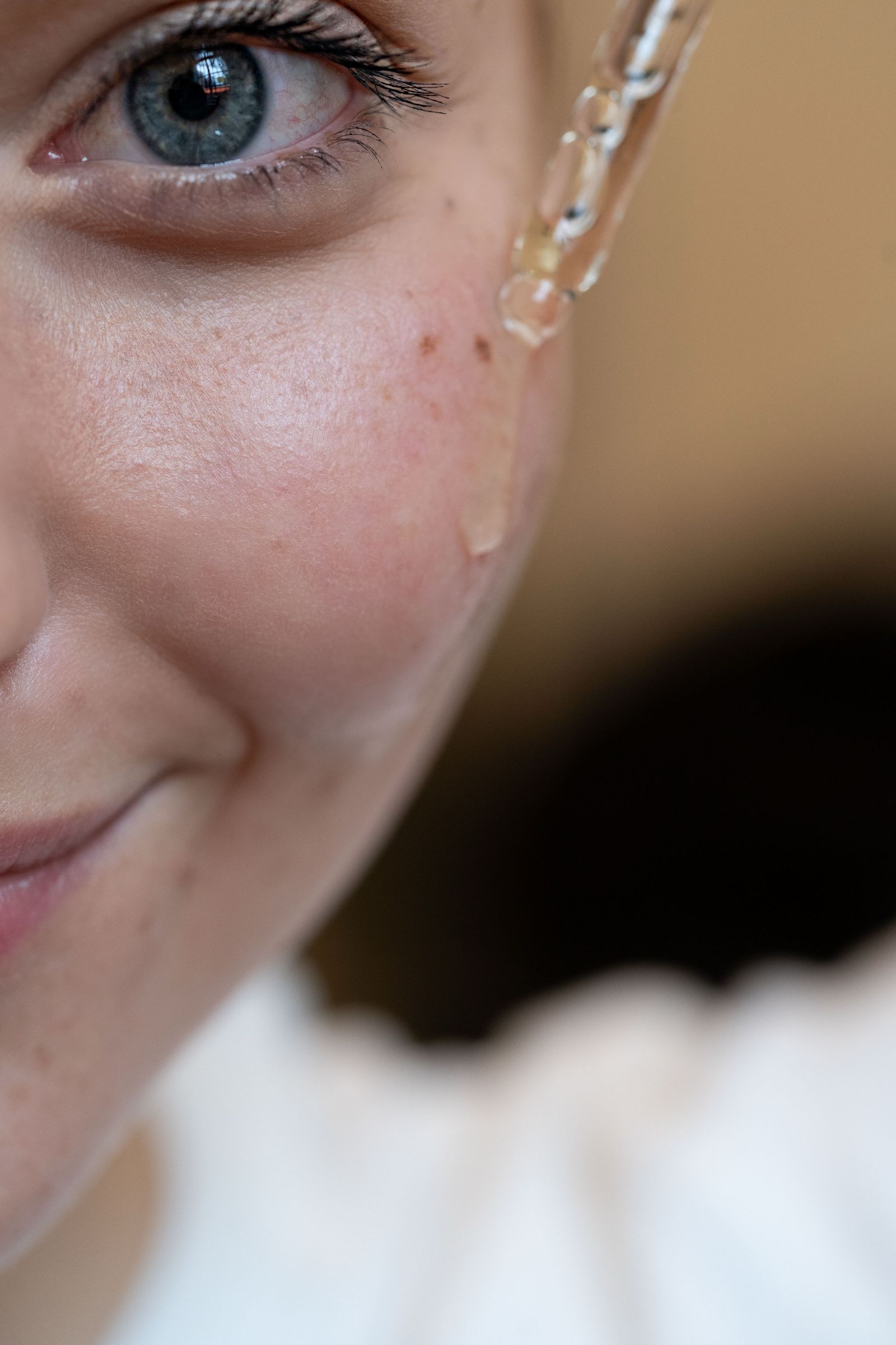 Before
After
Your visit What to expect during treatment
- Texture analysis A doctor examines pores, scarring, dryness and skin thickness to identify the main causes of roughness.
- Personalised plan We combine exfoliation with collagen stimulation and hydration, and agree a session schedule.
- Treatment session Sessions last 30–60 minutes and are generally comfortable, with mild warmth or tingling.
- Recovery Slight redness or fine flaking may appear for 1–3 days, followed by noticeably softer, smoother skin.
Keeping skin smooth Aftercare and home routine
First few days
- Avoid heavy make-up, saunas and direct sun until skin calms
- Do not pick at flaking skin
- Use a gentle cleanser and rich, simple moisturiser
Long term
- Daily SPF 50+
- Mild exfoliating acids only as advised
- Maintenance peels or boosters every 1–3 months
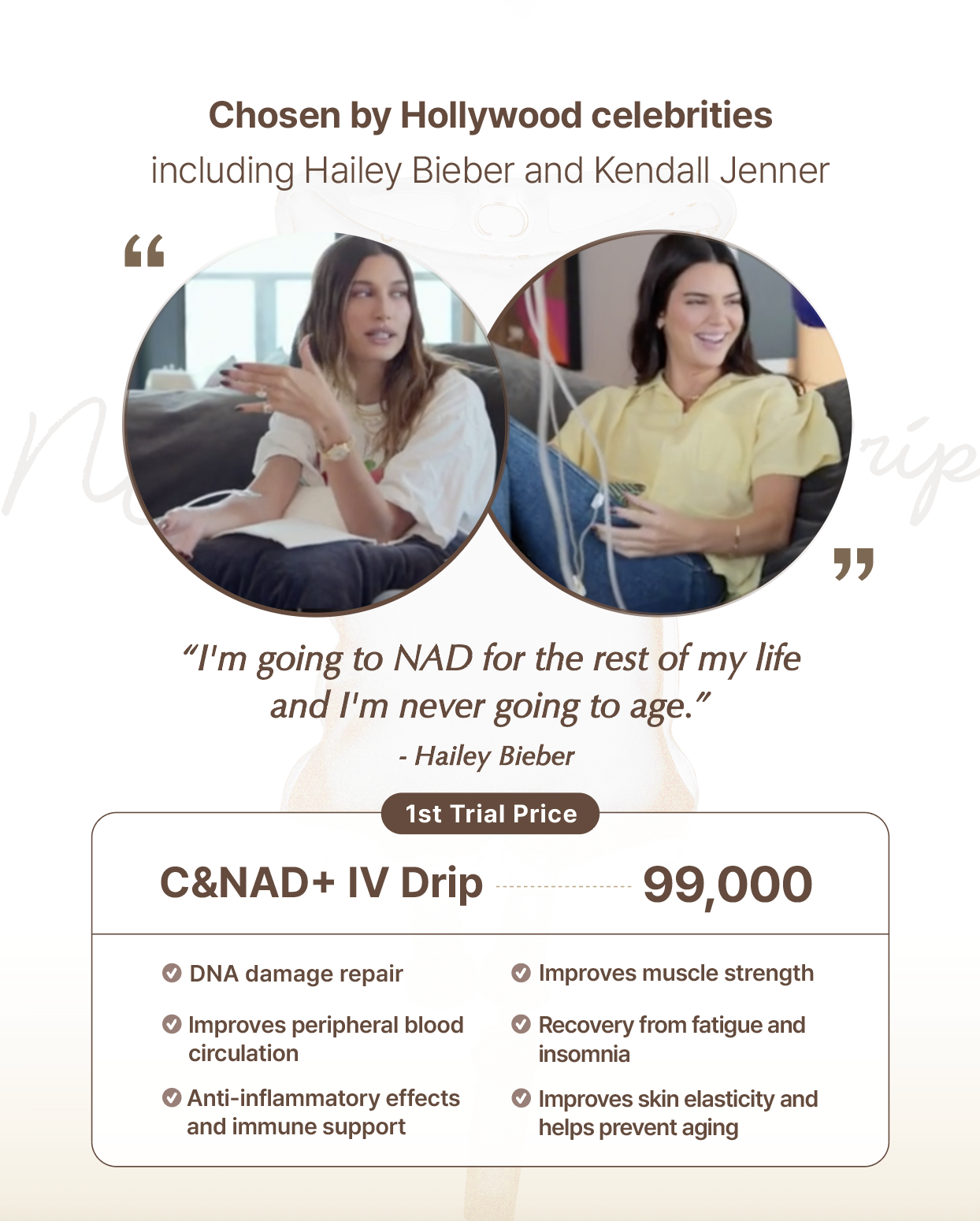
If dryness is the main driver, our hydration infusion therapy can be added between resurfacing sessions.
Answers from our doctors Frequently Asked Questions
How many sessions do I need for rough skin?
Most patients see improvement after the first session, with clearer refinement after 3–5 sessions spaced 2–4 weeks apart. Deeper texture issues such as scarring may need a longer course.
Is there downtime after texture treatments?
Downtime is usually minimal. Slight redness or flaking may last 1–3 days after lasers or peels. Deep cleansing facials and boosters typically have no social downtime.
Can rough skin be caused by dehydration?
Yes. A weakened barrier loses water, making the surface dry and flaky. Treating hydration alongside exfoliation often gives the best result. See dehydrated skin.
Are these treatments safe for sensitive skin?
Yes, when settings are adjusted. Your doctor may begin with barrier-strengthening care and gentler options before progressing to resurfacing, to avoid irritation and pigmentation.
What is the difference between texture and pore treatments?
Pore treatments focus on oil control and tightening the pore wall, while texture treatments address the whole surface, including dryness, scarring and dead-cell build-up. Many plans combine both.
Can I wear make-up after treatment?
After most facials and boosters you can wear make-up the next day. After laser resurfacing or peels, your doctor will usually advise waiting 24–48 hours.
Expertise & trust Why patients choose Bailor Clinic
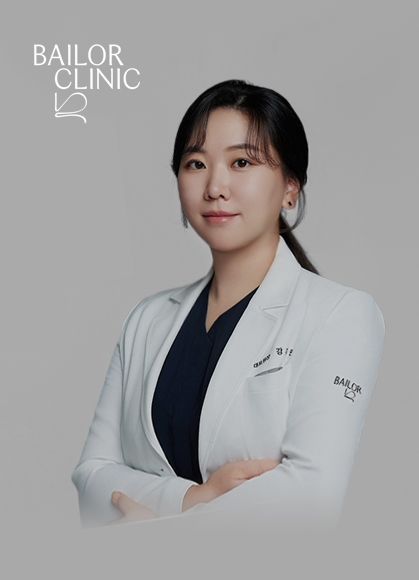
Dr. Jimin Kang
Medical Director · Bailor Clinic, Gangnam
Every treatment plan at Bailor Clinic is designed and performed by a licensed physician. Dr. Kang leads our medical team and reviews treatment protocols so that results look natural, safe and consistent for Korean and international patients alike.
- Doctor-performed only Treatments are carried out by physicians, not delegated to staff.
- Genuine products, strict protocols Premium, authentic formulations and devices used under standardised safety protocols.
- English-speaking support Consultation and aftercare in English via WhatsApp and KakaoTalk.
- Private 1:1 rooms Discreet treatment rooms in Sinsa, near Sinsa and Jamwon stations.
This page is for general information and does not replace a medical consultation. Suitability, number of sessions and results depend on your skin and are confirmed by a doctor at Bailor Clinic.