
What is dehydrated skin and how is it treated?
Dehydrated skin is skin that lacks water, not oil, so it can affect oily, combination and dry skin alike. It feels tight, looks dull and shows fine crisscross lines. Treatment focuses on replenishing moisture and repairing the skin barrier — combining hydrating facials, hyaluronic-acid and regenerative skin boosters, IV hydration and gentle collagen-activating devices, supported by a non-stripping home routine.
- Session time
- 30–60 minutes
- Comfort
- Little to no discomfort; numbing cream for boosters
- Downtime
- Slight pinkness for a few hours
- Typical course
- 3–4 sessions, 2–4 weeks apart
- First changes
- Refreshed feel immediately; glow within days
- Maintenance
- Every 1–3 months, or before travel
Understanding dehydration Dehydrated skin vs dry skin: what is the difference?
Dry skin is a skin type: it naturally produces less oil. Dehydrated skin is a temporary condition: the outer layer is losing water faster than it can hold it. That is why someone with oily, acne-prone skin can still feel tight and look dull after cleansing. When the barrier is weakened, transepidermal water loss increases, the surface becomes rough and light no longer reflects evenly.
Environment
Air-conditioning, heated rooms, long flights and the dry Korean winter all pull moisture from the skin.
Over-cleansing
Foaming cleansers, scrubs and strong actives can strip the lipids that keep water in the skin.
Lifestyle
Low fluid intake, alcohol, caffeine, poor sleep and stress all show quickly in skin hydration.
Ageing
Natural hyaluronic acid and ceramide levels decline with age, so skin holds less water over time.
Suitability Who is the hydration programme for?
- Skin that feels tight, flaky or rough, especially after washing
- Make-up that clings to dry patches or cracks during the day
- A dull, tired complexion that has lost its natural glow
- Skin that looks oily on the surface yet feels dehydrated underneath
- Fine dehydration lines around the eyes or mouth that soften when moisturised
- Visitors whose skin has become dry and sensitive after a long-haul flight
If dryness comes with persistent stinging or redness, our Sensitive Skin Strengthening Program may be combined to calm the barrier first.
Options at Bailor How we treat dehydrated skin at Bailor Clinic
Our Hydration & Moisture Rebalance Program works on three levels: the surface, the dermis and the body as a whole. Your doctor chooses the combination based on your skin scan, lifestyle and travel plans.
Hydrating facials
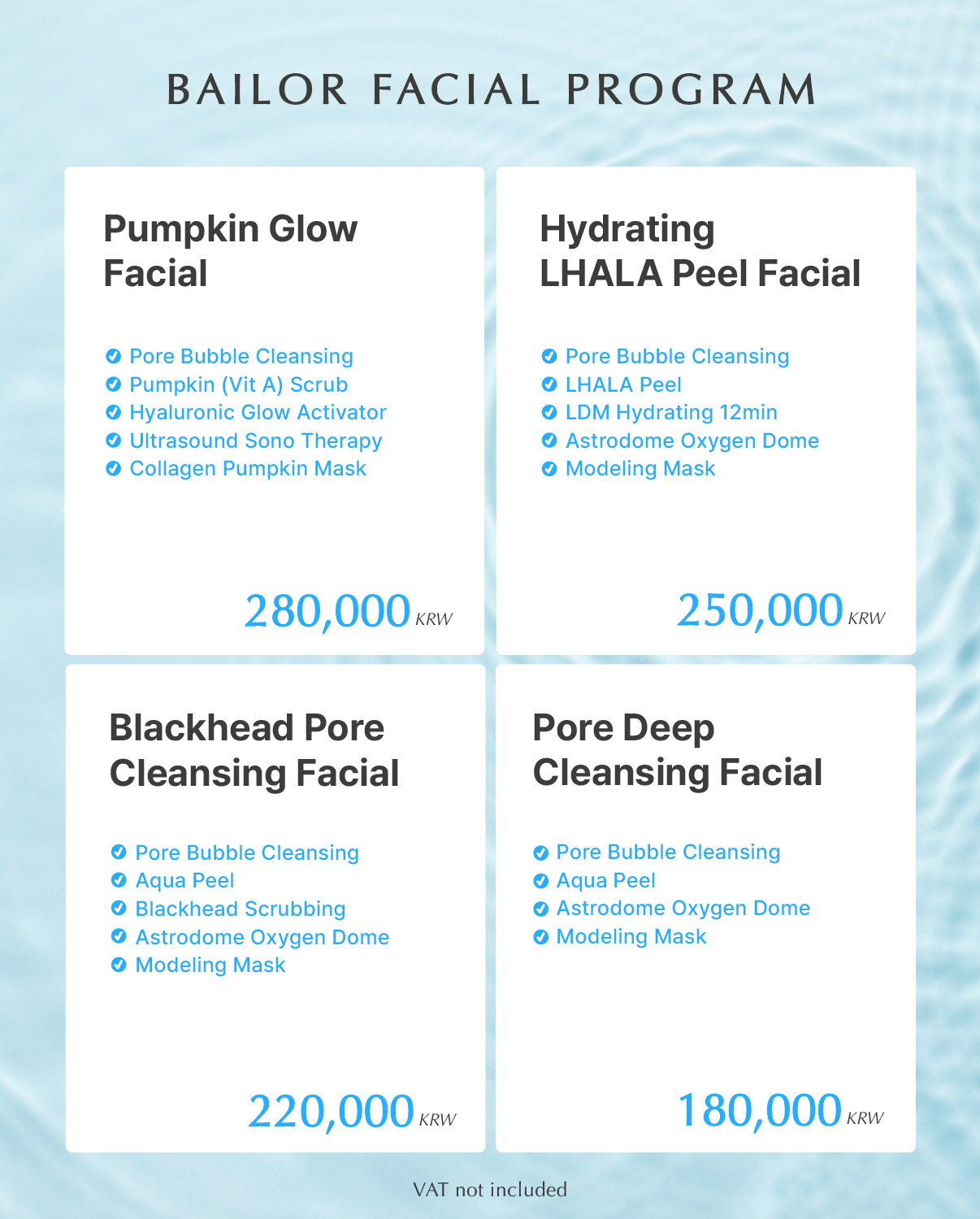
HydraFacial and Aqua Peel gently clear impurities and infuse hyaluronic-acid-rich serums for an instant moisture boost.
Skin boosters
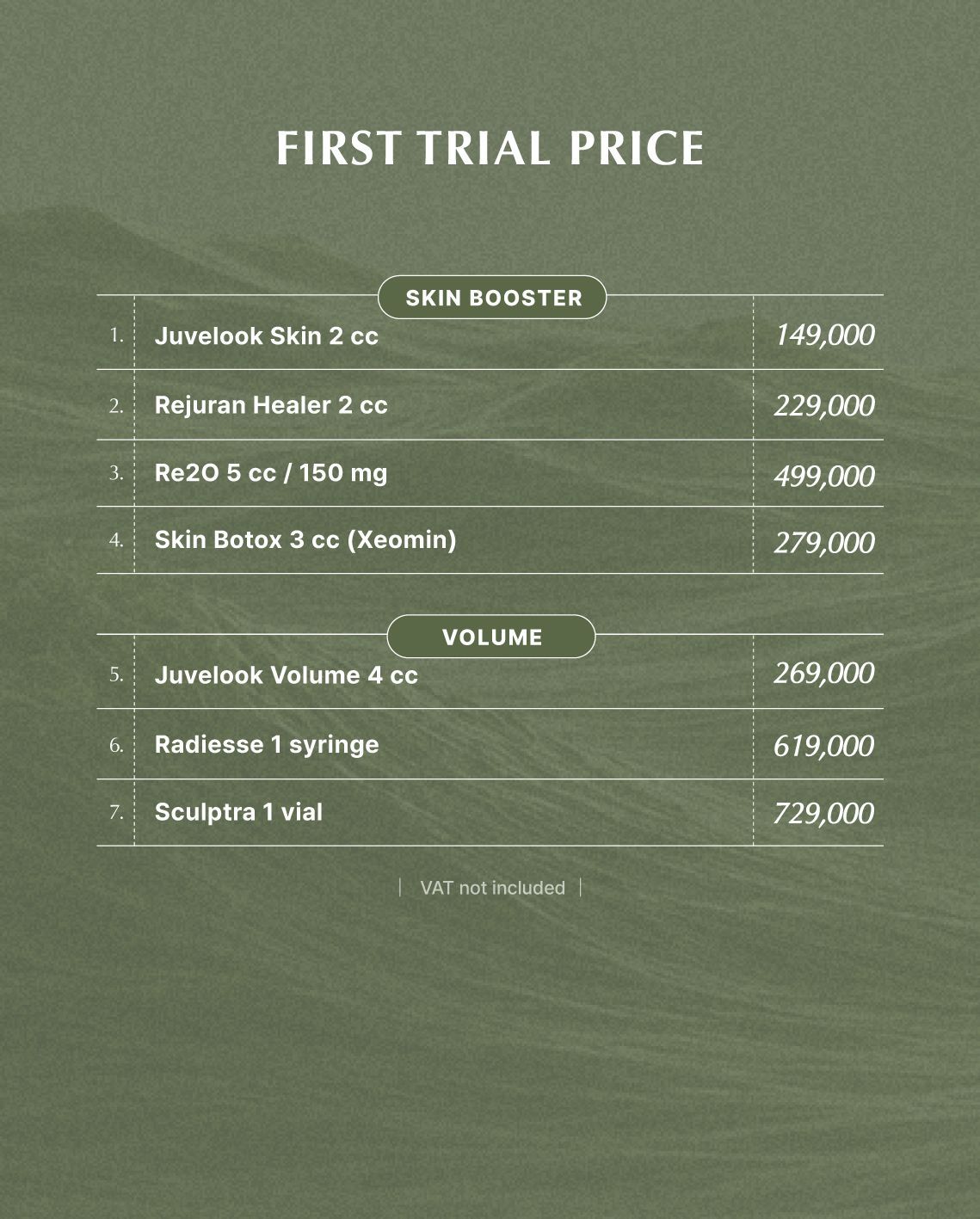
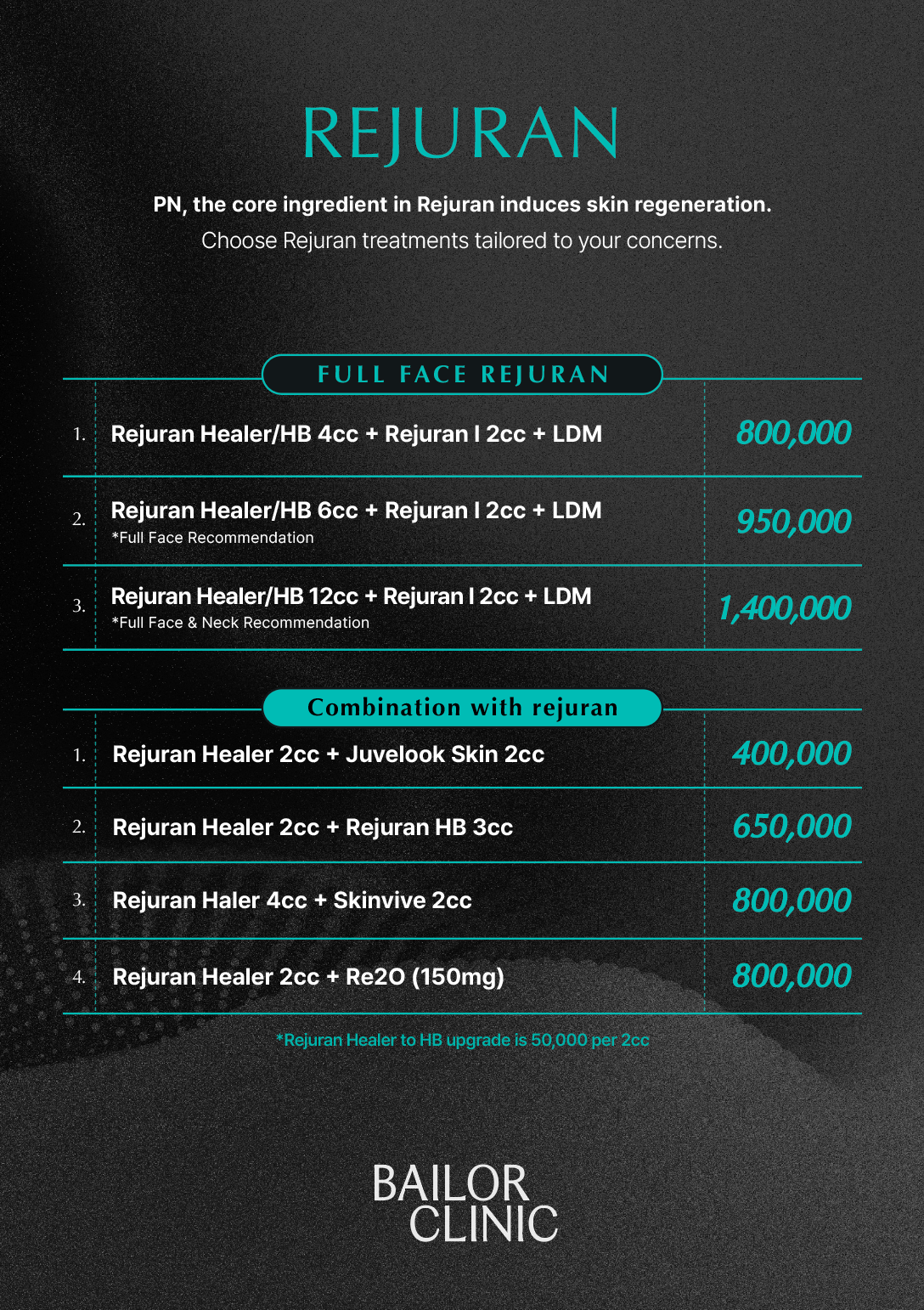
Rejuran Healer, Juvelook, NCTF Filorga, LILIED Healer or exosomes hydrate and repair the dermis for plumper, more luminous skin.
IV hydration
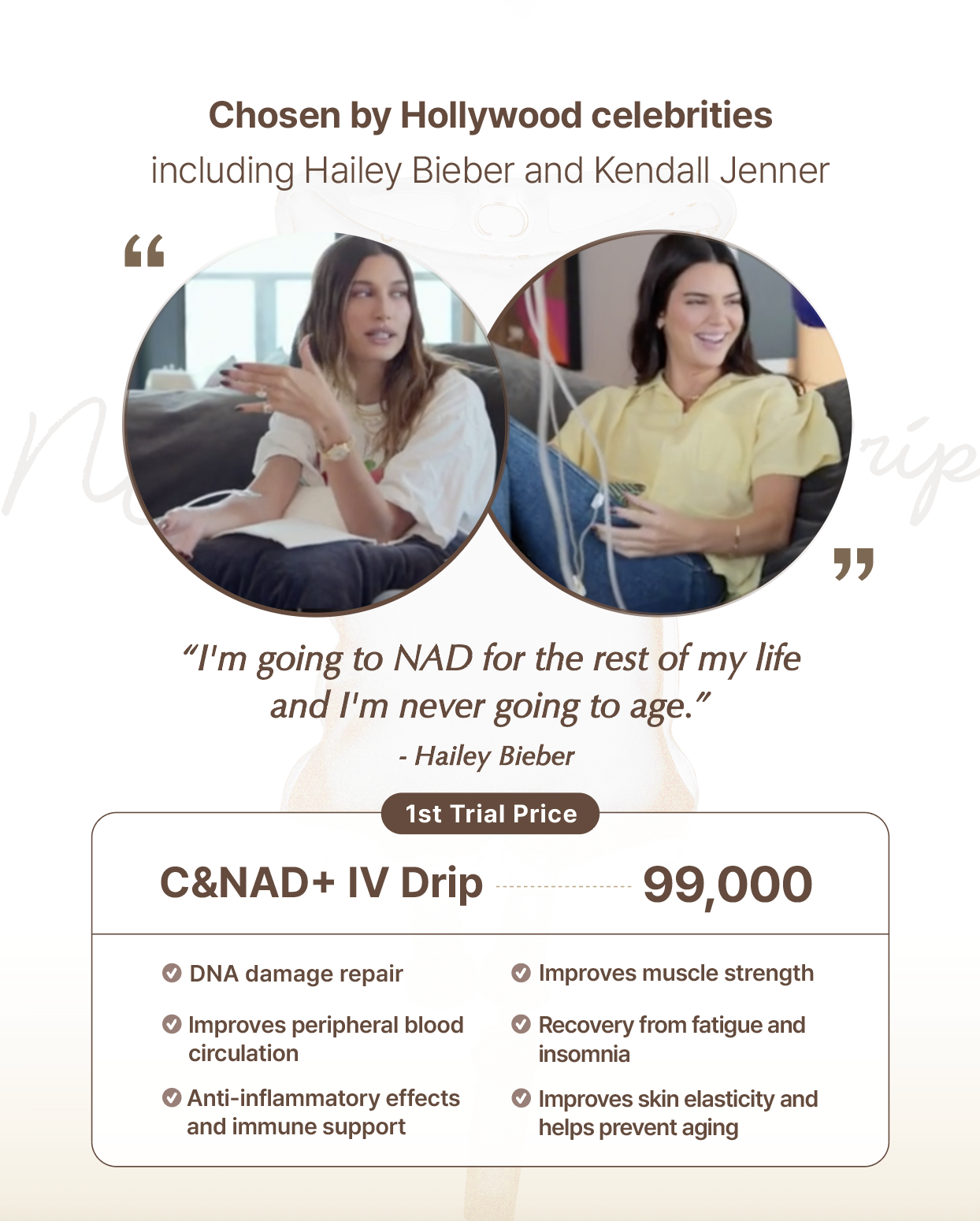
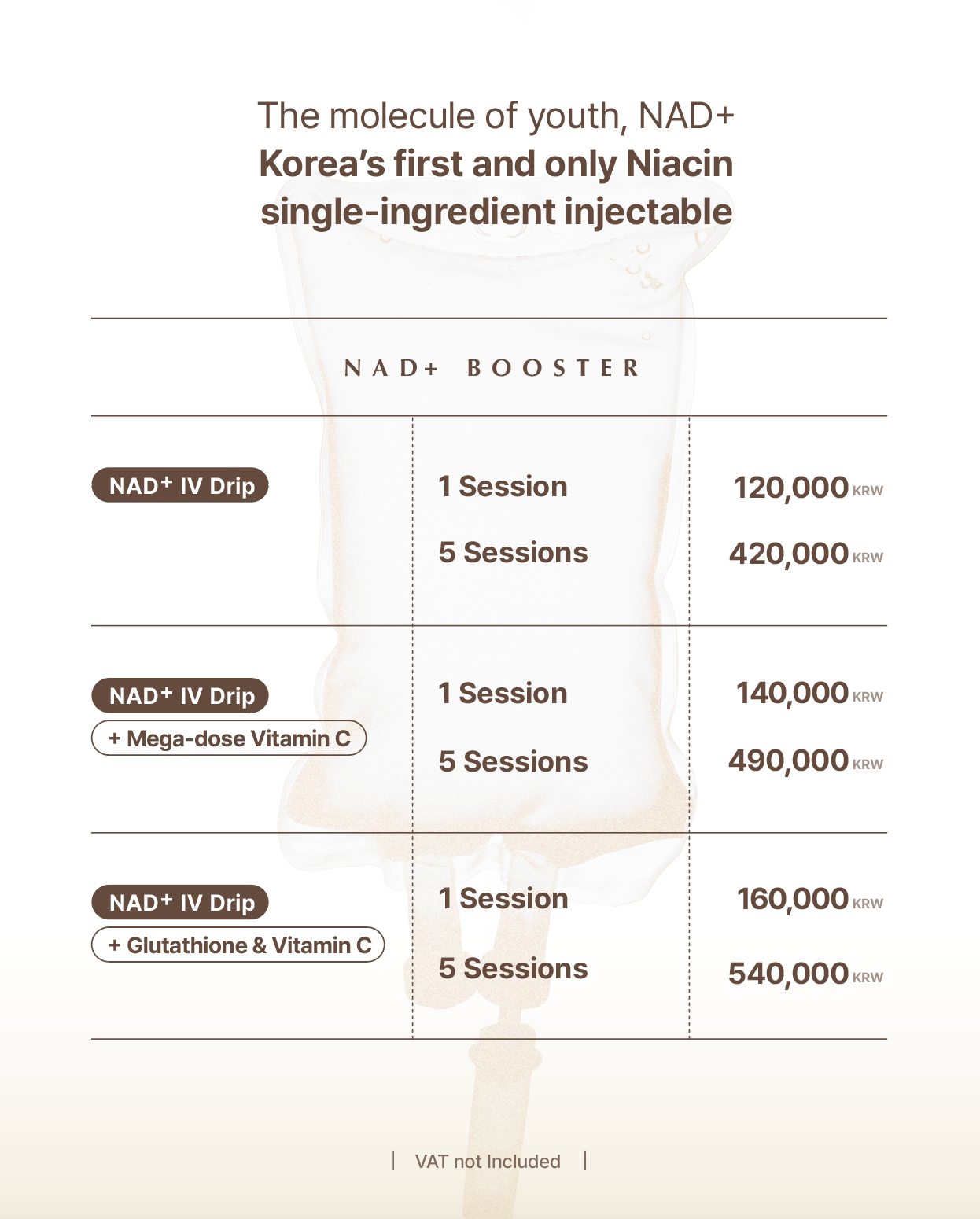
IV drip therapy such as Myers' Cocktail, vitamin C or a hydration infusion delivers fluids, electrolytes and antioxidants.
Barrier-building devices
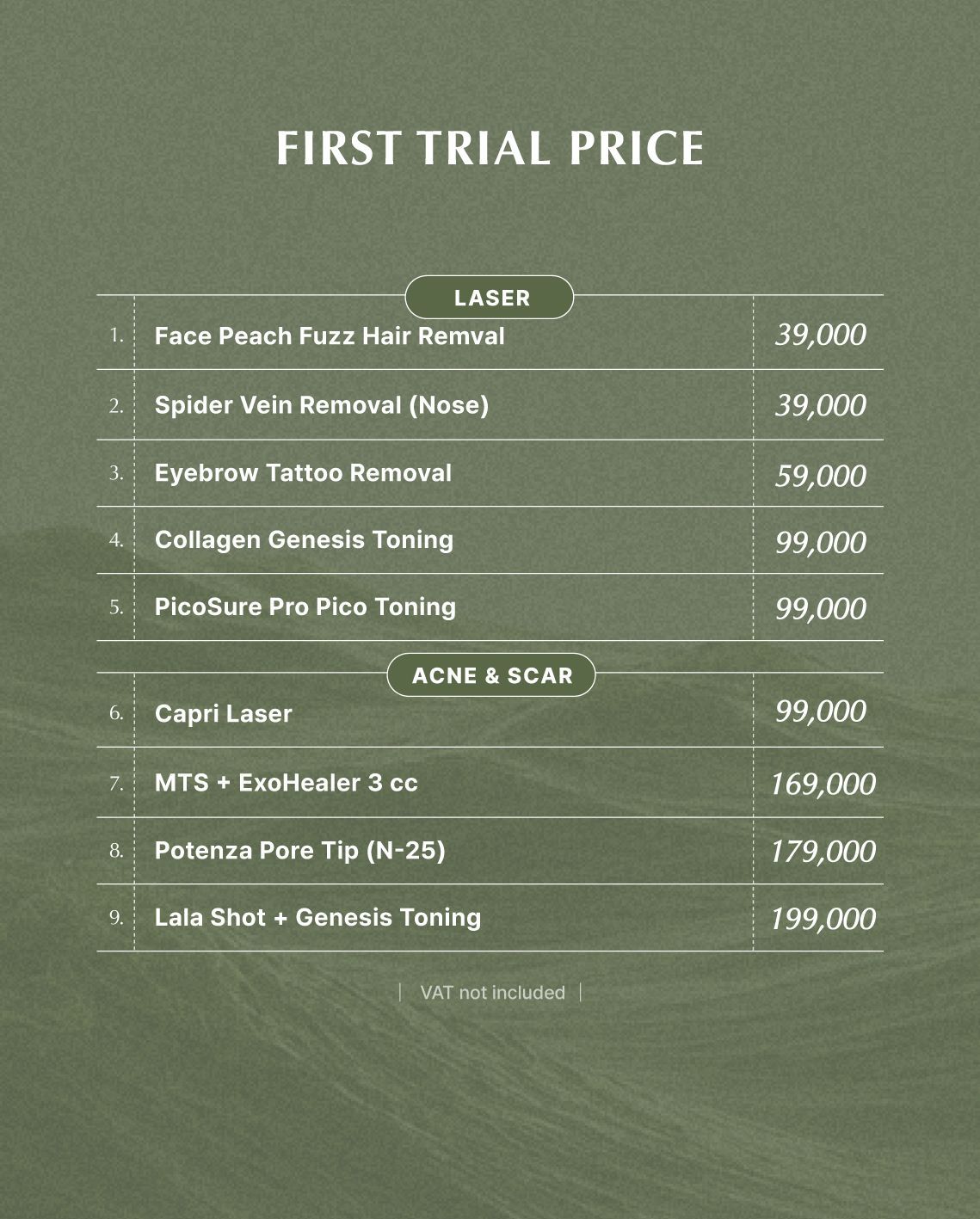
Secret RF, Genesis or Sylfirm X activate collagen and improve moisture retention, followed by barrier-repair facial care.
 Before
After
Your visit What happens during a hydration session?
- Moisture scan & consultation A doctor measures hydration and oil balance, checks the barrier and reviews your skincare, climate and travel.
- Personalised recommendation We suggest the facial, booster or device best suited to your skin and explain how many sessions are sensible.
- Comfortable treatment Sessions take 30–60 minutes. Facials and IV drips are relaxing; numbing cream is applied before injectable boosters.
- Soothing finish A calming mask and sunscreen are applied. Skin may be slightly pink for a few hours but feels instantly refreshed.
Lasting results How do I keep skin hydrated after treatment?
Clinic treatments restore water and repair the barrier, but daily habits decide how long the results last. Most patients notice a smoother texture and visible glow within a few days, with booster results building over several weeks.
Daily habits
- Drink water regularly and limit alcohol on treatment days
- Use a humidifier in heated or air-conditioned rooms
- Apply SPF 30–50+ every morning
- Avoid saunas and very hot showers for 48 hours
Skincare
- A low-pH, non-foaming cleanser
- Humectants such as hyaluronic acid layered under a ceramide moisturiser
- Pause retinoids and exfoliating acids for a few days
- Hydrating sheet masks after flights
If dehydration has already etched lines, read about fine lines and wrinkles or crepey skin.
Answers from our doctors Frequently Asked Questions
Can oily skin be dehydrated?
Yes. Oil and water are different. Oily skin can still lack water, especially if it is over-cleansed or treated with drying acne products. It often responds by producing even more oil, so restoring hydration can help skin feel more balanced.
How quickly will I see results?
Hydrating facials give an instant fresh, plump look. Skin boosters build results gradually, with most patients noticing smoother, more radiant skin 1–3 weeks after a session and further improvement over a course of treatments.
Is there any downtime?
Usually not. Facials and IV drips have no downtime. After injectable boosters you may see small bumps or slight redness for a few hours to a day, and make-up can usually be applied the next day.
How many sessions do I need?
Many patients start with 3–4 sessions spaced 2–4 weeks apart, then maintain every 1–3 months. One session before an event or after a long flight can also be helpful.
Do IV drips really hydrate the skin?
IV hydration replenishes fluids, electrolytes and vitamins throughout the body, which can help if you feel run-down or jet-lagged. It works best alongside topical and in-skin treatments. See our IV drip therapy page.
Can I have treatment during a short visit to Seoul?
Yes. A HydraFacial or skin booster fits easily into a short stay. Message us on WhatsApp or KakaoTalk before you travel so we can plan sessions around your schedule.
Expertise & trust Why patients choose Bailor Clinic

Dr. Jimin Kang
Medical Director · Bailor Clinic, Gangnam
Every treatment plan at Bailor Clinic is designed and performed by a licensed physician. Dr. Kang leads our medical team and reviews treatment protocols so that results look natural, safe and consistent for Korean and international patients alike.
- Doctor-performed only Treatments are carried out by physicians, not delegated to staff.
- Genuine products, strict protocols Premium, authentic formulations and devices used under standardised safety protocols.
- English-speaking support Consultation and aftercare in English via WhatsApp and KakaoTalk.
- Private 1:1 rooms Discreet treatment rooms in Sinsa, near Sinsa and Jamwon stations.
This page is for general information and does not replace a medical consultation. Suitability, number of sessions and results depend on your skin and are confirmed by a doctor at Bailor Clinic.