
How does laser treat pigmentation?
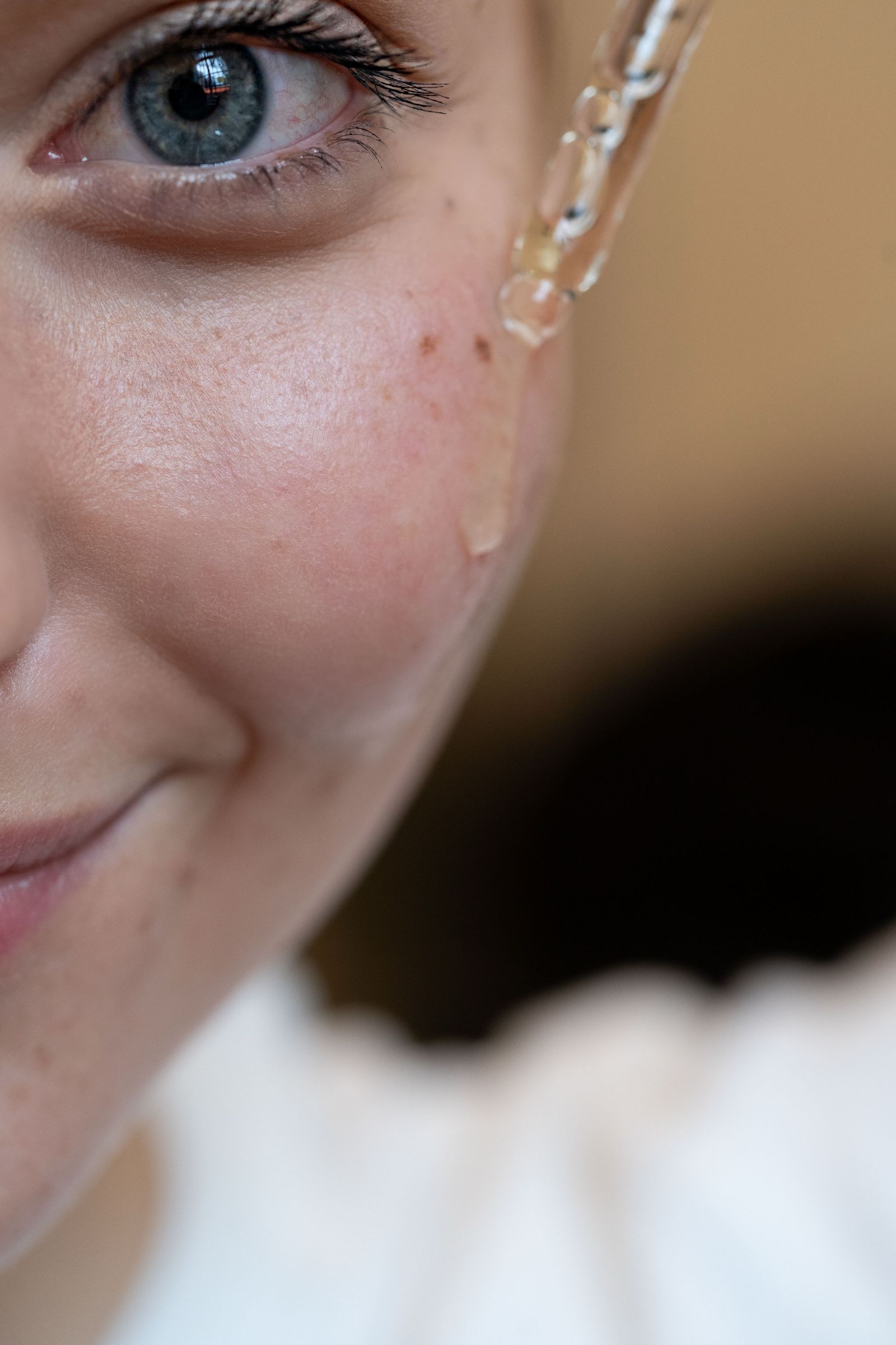
Pigmentation laser treatment uses specific wavelengths absorbed by melanin to break up excess pigment while sparing surrounding skin. The fragments are then cleared naturally by the body. Because freckles, sun spots, melasma and post-inflammatory marks sit at different depths and behave differently, a doctor first identifies the pigment type, then selects devices such as PicoWay, PicoSure or Genesis toning and adjusts settings to your skin.
- Session time
- 15–40 minutes, depending on area
- Comfort
- Minimal; cooling and numbing if needed
- Downtime
- Temporary redness or mild darkening
- Typical course
- Several sessions, depending on pigment type
- Results
- Visible brightening after a few sessions
- Maintenance
- Daily SPF plus periodic toning
Understanding pigment What types of pigmentation can lasers treat?
Pigmentation forms when excess melanin accumulates in the skin, often after sun exposure, hormonal change, inflammation or ageing. Choosing the right laser depends on the type and depth of pigment.
Freckles & sun spots
Well-defined, superficial spots that usually respond quickly. See age spots & freckles.
Melasma
Hormone-related patches needing gentle, low-energy toning. Read about melasma treatment.
Post-inflammatory marks
Dark marks after acne or irritation, treated carefully to avoid further inflammation.
Diffuse uneven tone
Overall dullness or blotchiness from cumulative UV exposure.
Suitability Who is pigmentation laser treatment for?
- Freckles, age spots or sun-induced pigmentation
- Uneven skin tone or a dull complexion
- Melasma or post-inflammatory hyperpigmentation (PIH)
- Redness or blotchiness from UV exposure
- Long-standing pigmentation that has not responded to topical care
Options at Bailor Which laser options are included in the programme?
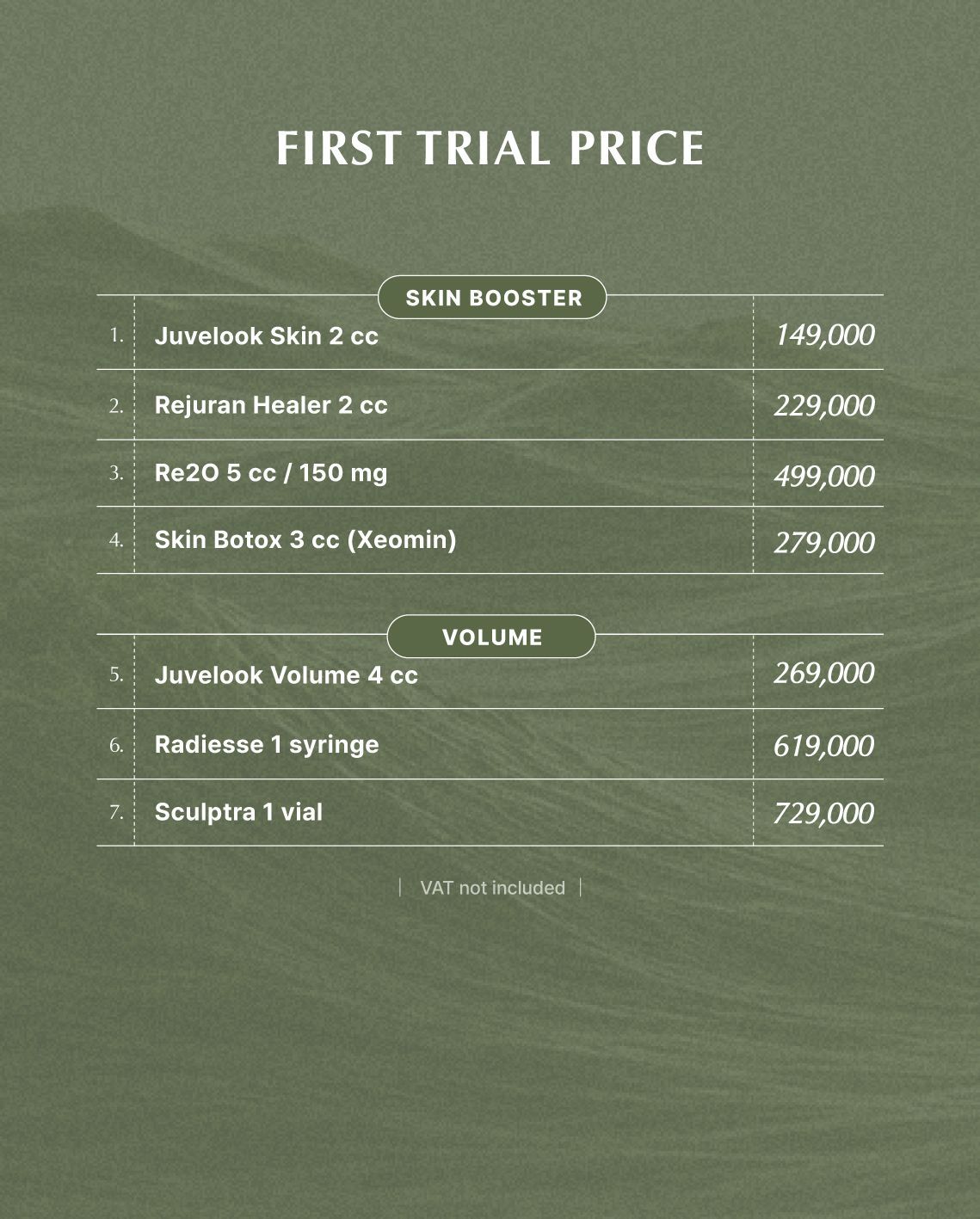
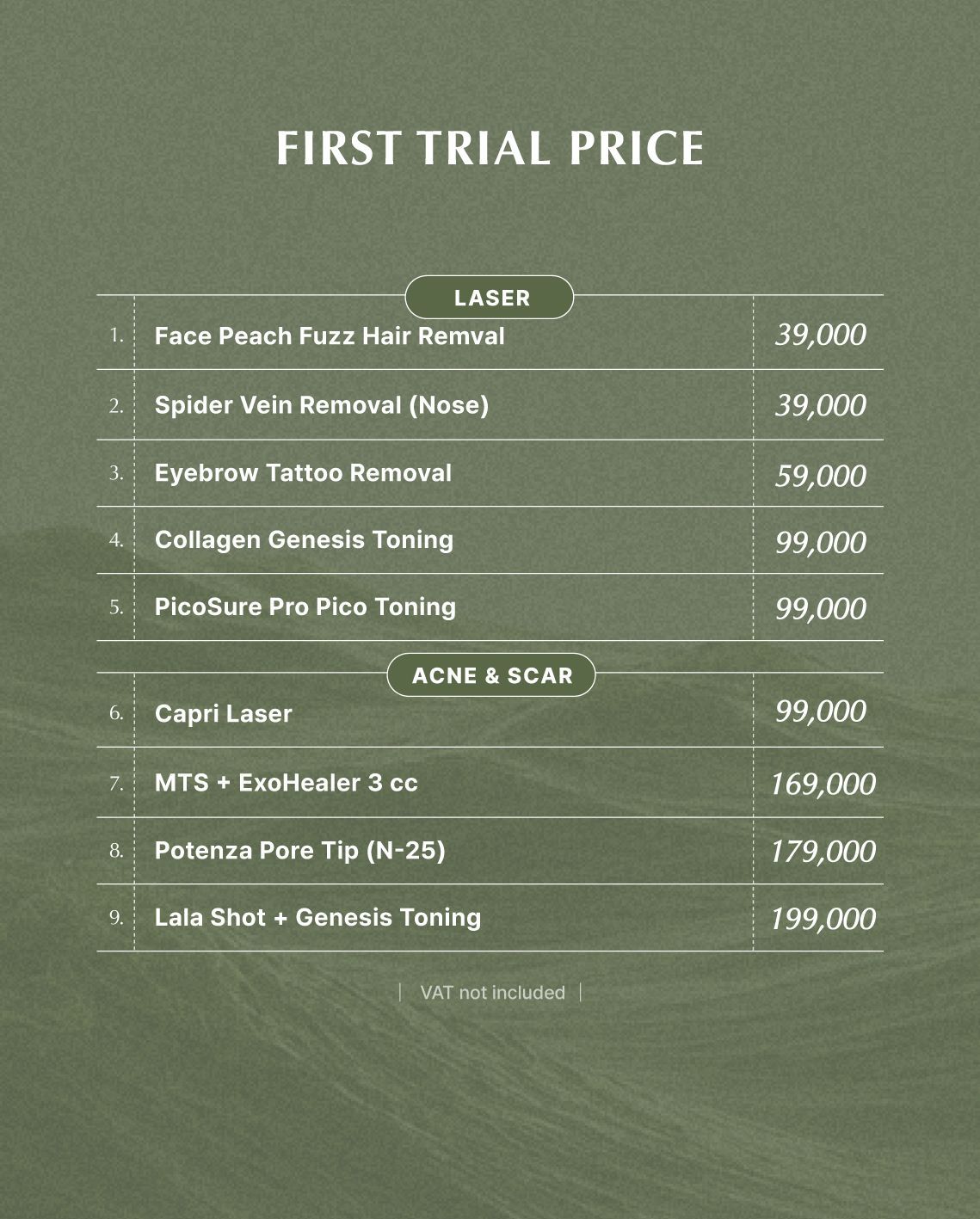
PicoWay / PicoSure
Ultra-short pulses shatter pigment clusters and stimulate collagen. Learn more about pico laser rejuvenation.
Laser toning
Nd:YAG, Genesis and Excel V even tone, reduce redness and brighten sun-damaged skin.
Combination therapy
Wavelengths and intensity are customised for different pigment depths and skin types.
Boosters & IV support
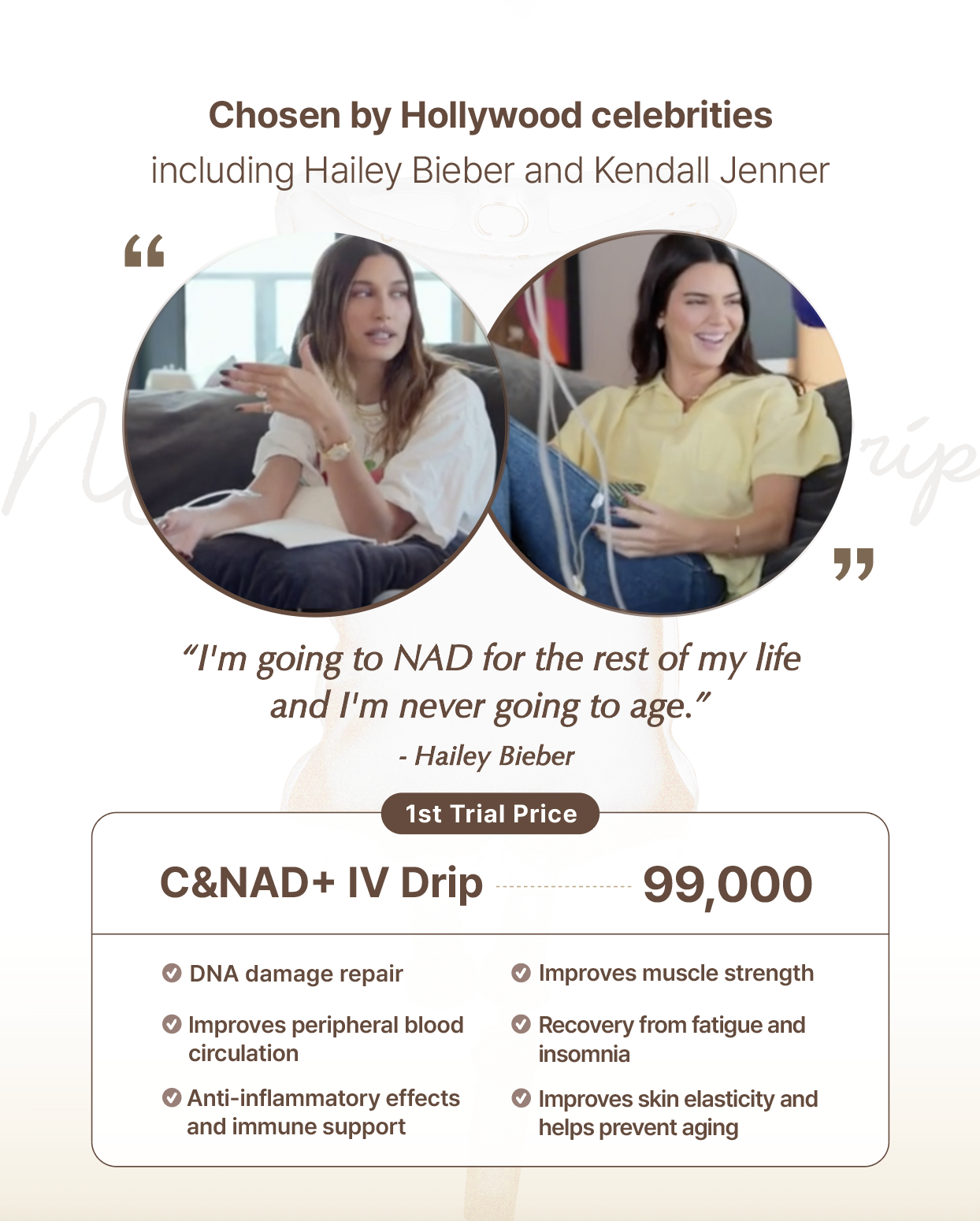
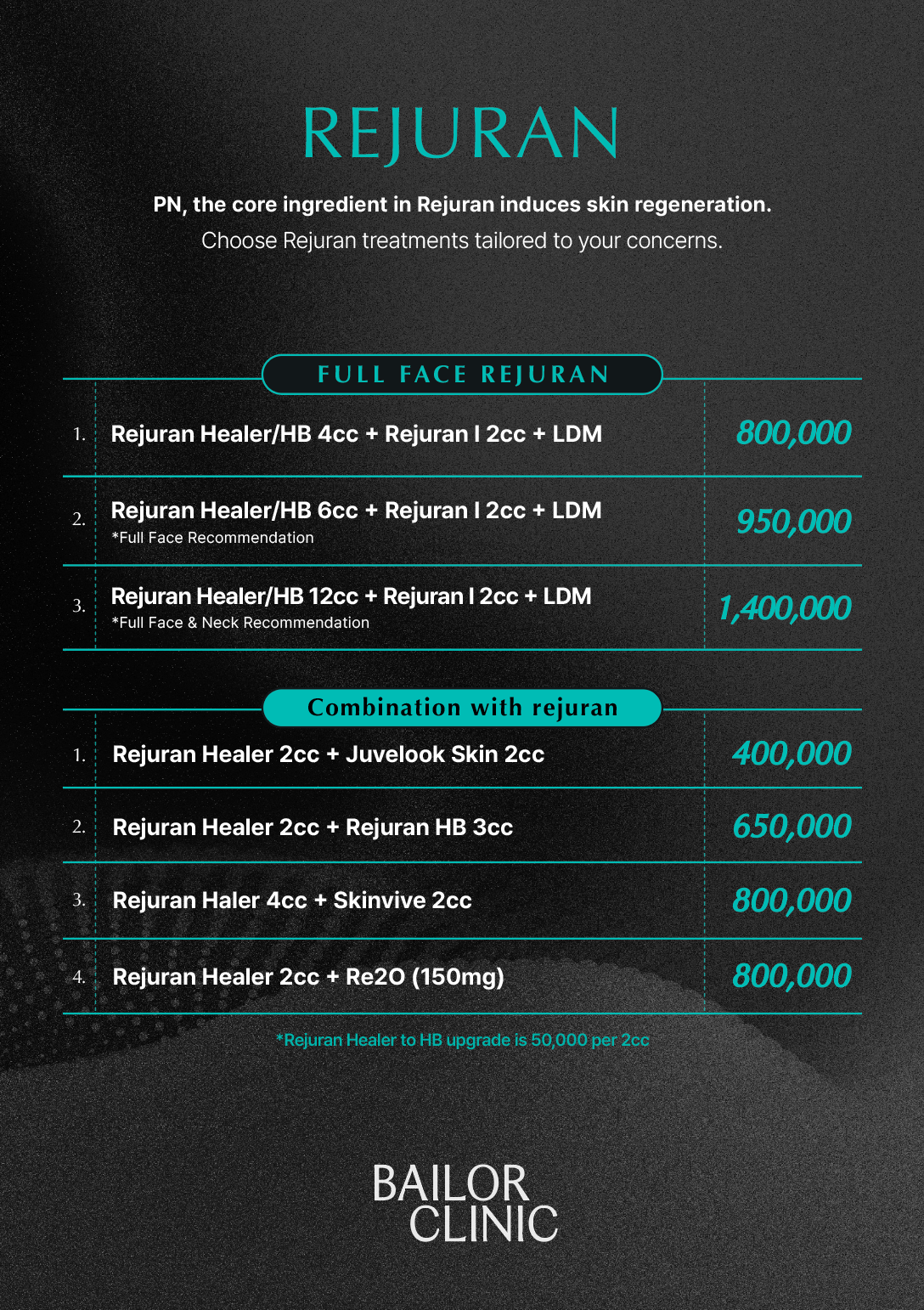
Rejuran Healer, exosome, Juvelook or NCTF Filorga aid recovery; glutathione and vitamin C drips support brightness.
 Before
After
Your visit What to expect during pigmentation laser treatment
- Skin analysis We determine the pigment type and depth under appropriate lighting.
- Doctor consultation Laser settings and a home-care regimen are planned for your skin tone and sensitivity.
- Treatment A 15–40 minute session with cooling and numbing if needed.
- Healing Temporary redness or mild darkening occurs as pigment lifts naturally.
- Progress Visible brightening and spot reduction typically appear after a few sessions.
Aftercare How to protect results after pigmentation laser
Immediately after
- Avoid direct sunlight; apply SPF daily
- Let darkened spots flake off naturally
- Skip scrubs, acids and retinoids for a few days
Long term
- SPF 50+ and a hat in strong sun
- Brightening skincare recommended by your doctor
- Maintenance toning to prevent recurrence
For broader options beyond laser, see our hyperpigmentation treatment overview.
Answers from our doctors Frequently Asked Questions
How many sessions are needed to remove pigmentation?
It depends on the type. Freckles and sun spots may improve in a few sessions, while melasma and PIH typically need a longer course of gentle toning. Your doctor will give a realistic plan.
Will pigmentation come back after laser?
New spots can form with sun exposure, and melasma can recur. Daily SPF, appropriate skincare and occasional maintenance sessions help keep results stable.
Is pigmentation laser safe for Asian skin?
Yes, when settings are tailored. Our doctors adjust energy and device choice to pigment-prone skin to lower the risk of rebound pigmentation.
Why do spots darken after treatment?
Temporary darkening is a normal sign that pigment is lifting. Spots usually flake away within several days to a week.
Is there downtime?
Downtime is minimal. Toning causes brief redness, while spot treatments may leave small darkened areas for several days that can be covered with make-up once healed.
Which laser is best for melasma?
Low-energy toning such as pico toning or laser toning is generally preferred, combined with barrier support and strict sun protection.
Expertise & trust Why patients choose Bailor Clinic
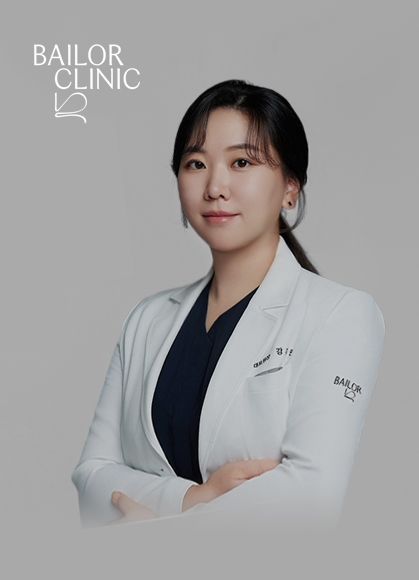
Dr. Jimin Kang
Medical Director · Bailor Clinic, Gangnam
Every treatment plan at Bailor Clinic is designed and performed by a licensed physician. Dr. Kang leads our medical team and reviews treatment protocols so that results look natural, safe and consistent for Korean and international patients alike.
- Doctor-performed only Treatments are carried out by physicians, not delegated to staff.
- Genuine products, strict protocols Premium, authentic formulations and devices used under standardised safety protocols.
- English-speaking support Consultation and aftercare in English via WhatsApp and KakaoTalk.
- Private 1:1 rooms Discreet treatment rooms in Sinsa, near Sinsa and Jamwon stations.
This page is for general information and does not replace a medical consultation. Suitability, number of sessions and results depend on your skin and are confirmed by a doctor at Bailor Clinic.