
What are smile lines and how can they be reduced?
Smile lines, also called nasolabial folds, are the creases running from the sides of the nose to the corners of the mouth. They deepen as cheek volume descends and skin loses collagen. They can be softened without surgery by restoring mid-face volume with filler or collagen stimulators and tightening deeper tissue with RF, ultrasound or threads, rather than simply filling the crease itself.
- Session time
- 30–60 minutes
- Comfort
- Numbing cream or local anaesthesia
- Downtime
- Mild redness or swelling 1–2 days
- Visible change
- Immediate with filler, gradual with lifting
- Typical plan
- 1–3 sessions, tailored combination
- Maintenance
- Usually every 6–12 months
Understanding the concern Why do smile lines deepen with age?
Everyone has a natural fold between the cheek and upper lip; it is part of a healthy, expressive face. It becomes a concern when the fold stays deep at rest. The main driver is usually not the line itself but what happens above it: cheek volume moves downward and the skin can no longer spring back after years of smiling and talking.
Mid-face descent
Cheek fat pads flatten and slide, piling tissue against the fold. See volume loss.
Collagen & elastin loss
From the late twenties, collagen production declines and skin becomes thinner and less resilient.
Repeated expression
Frequent smiling and talking fold the skin along the same line thousands of times a day.
Sun & lifestyle
UV exposure, smoking and rapid weight change speed up collagen breakdown and laxity.
Suitability Is smile line correction right for you?
- Deep nasolabial folds that remain visible when your face is relaxed
- Creases around the mouth that look more pronounced when smiling
- Flattened cheeks or loss of mid-face volume
- Sagging skin in the nose-to-mouth area
- An uneven contour or a tired look in photographs
- A preference for natural, gradual change without surgery
If you also notice lines running down from the mouth corners, our marionette lines treatment is often planned alongside.
Options at Bailor Which treatments soften smile lines?
Our Smile Line Correction Program is designed by doctors according to fold depth, skin type and facial balance. Supporting the cheek often softens the fold more naturally than placing a lot of product directly in the line.
Fillers & volume
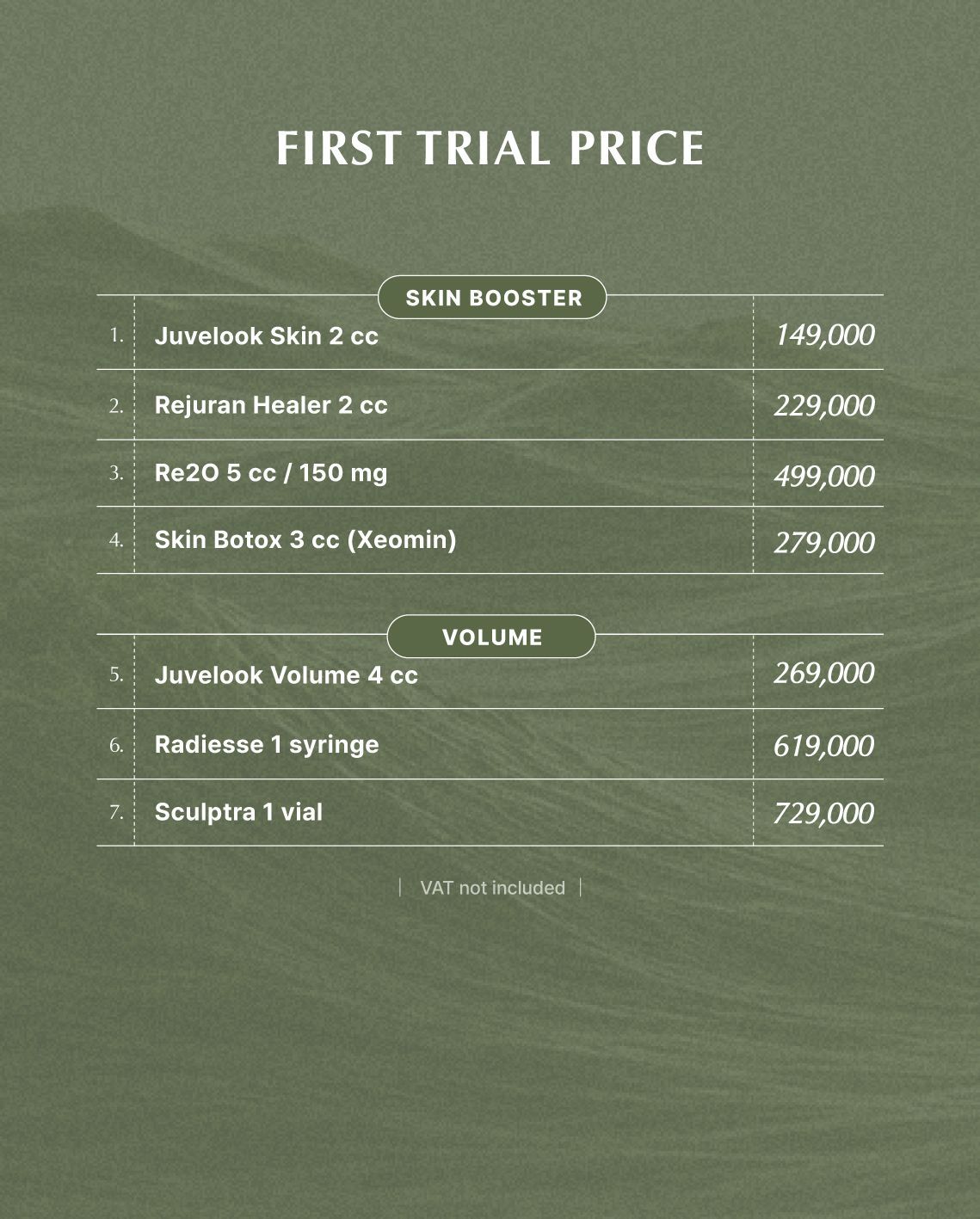
Juvéderm, Restylane, Belotero or Radiesse restore cheek support and soften the fold. Learn about dermal fillers.
Collagen stimulators
Sculptra, Radiesse and Juvelook Volume strengthen the dermis gradually for longer-term elasticity.
RF & ultrasound lifting
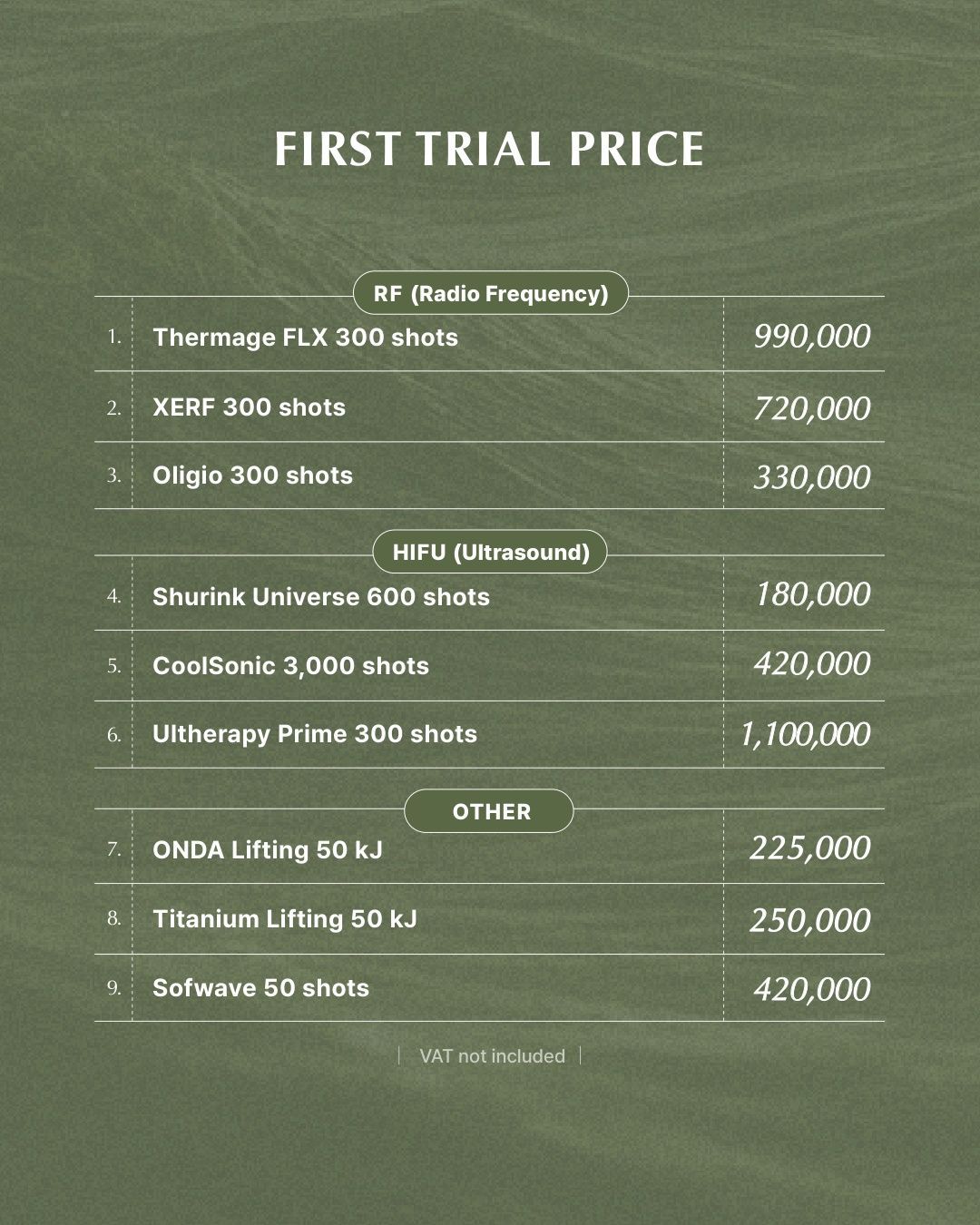
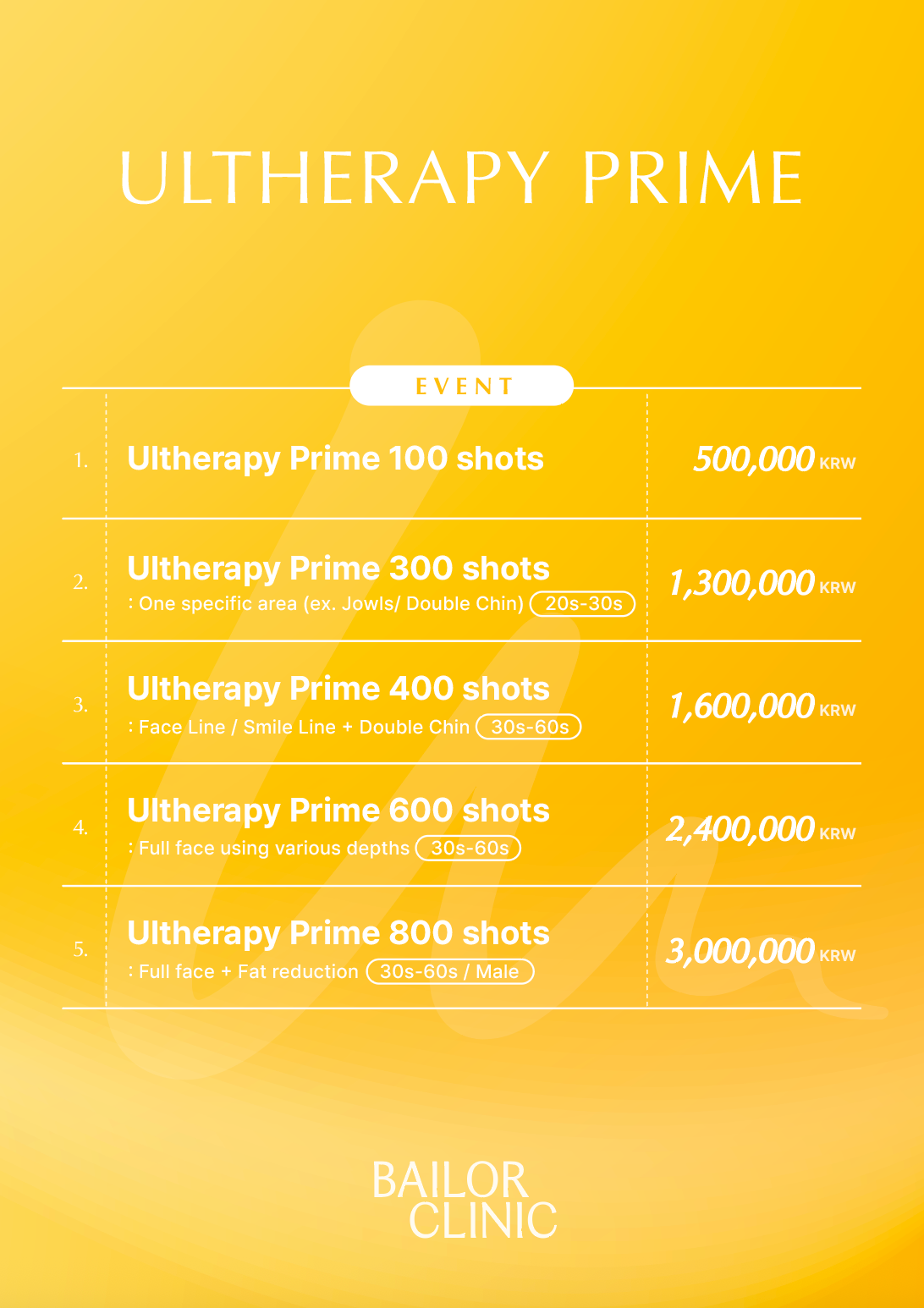
Ultherapy, Thermage FLX and Oligio firm the deeper muscle-fascia layer for natural lift. Threads (MINT or PDO) can reposition tissue.
Skin boosters
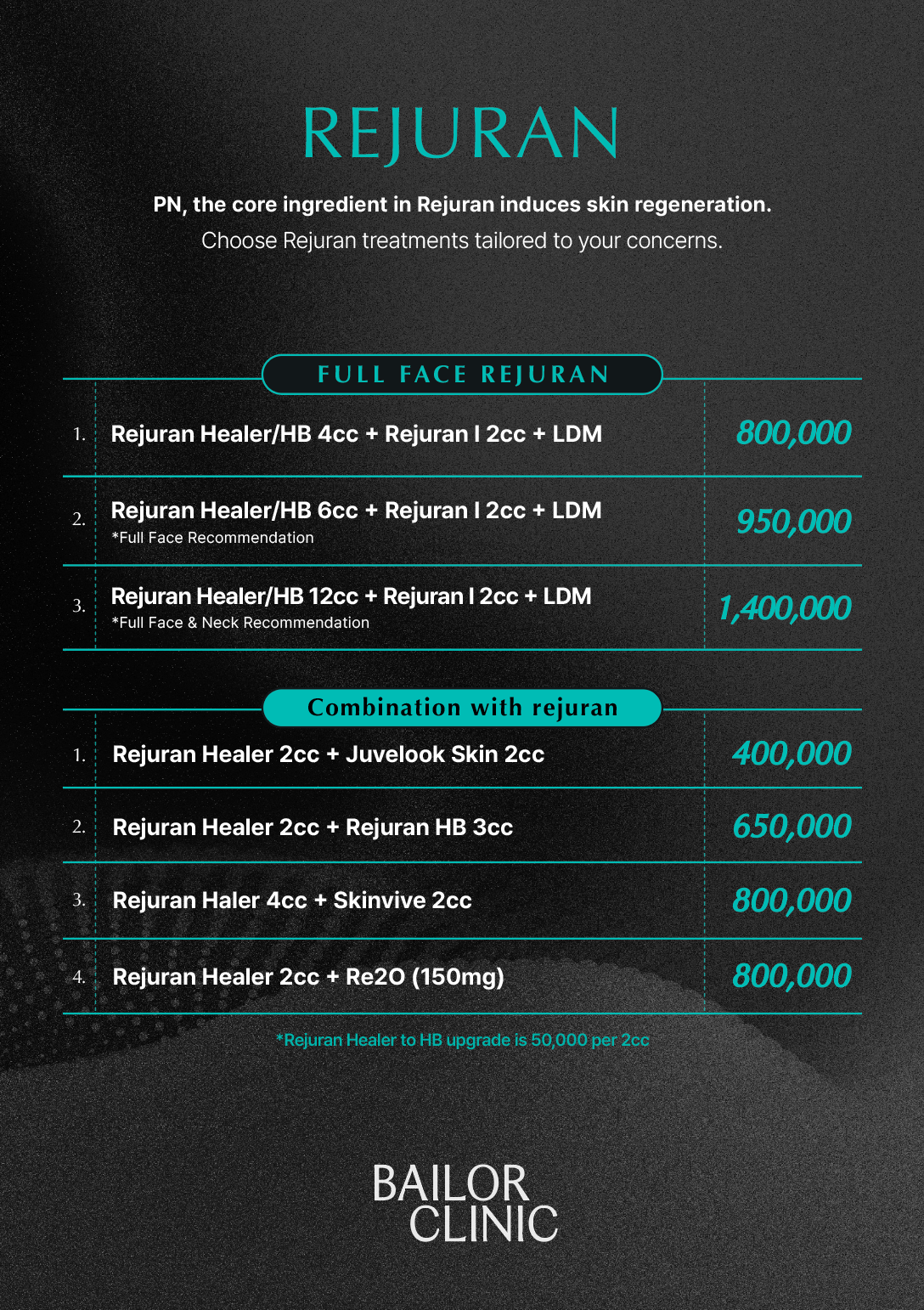
Rejuran Healer, exosome and PN therapy improve skin quality, tone and smoothness around the mouth.
 Before
After
Your visit What happens at your appointment?
- Facial analysis The doctor assesses fold depth, cheek volume and skin laxity from several angles, at rest and in expression.
- Customised plan We decide whether filler, lifting, regenerative care or a combination is most appropriate, and explain likely results.
- Treatment After numbing, injections take a few minutes; device and thread sessions take 30–60 minutes overall.
- Check & aftercare We review symmetry with you, apply calming care and explain what to avoid for the next 48 hours.
Results How long do smile line results last?
Filler gives an immediate smoothing effect, with further improvement as collagen rebuilds after lifting or stimulator treatments. Longevity depends on the product, the depth of the fold and how active your expressions are.
Typical duration
- Hyaluronic acid filler: around 6–12 months
- Collagen stimulators: often 12 months or more
- RF or ultrasound lifting: about a year
Helping results last
- Daily broad-spectrum sunscreen
- Avoid heat, massage and alcohol for 48 hours
- Plan maintenance before the fold fully returns
For lines elsewhere on the face, see fine lines and wrinkles.
Answers from our doctors Frequently Asked Questions
Will treatment change the way I smile?
It should not. The aim is to soften the fold at rest while keeping natural movement. Our doctors use conservative amounts and support the cheek rather than overfilling the line, so your smile still looks like you.
Is filler or lifting better for smile lines?
It depends on the cause. Deep folds from volume loss respond well to filler or collagen stimulators, while folds driven by sagging may need RF, ultrasound or threads. Many patients benefit from a combination.
Does it hurt?
Numbing cream or local anaesthesia is used, and most fillers contain lidocaine. Patients usually describe pressure or a brief sting. Lifting devices produce heat sensations that are generally well tolerated.
How soon can I return to work?
Most people return the same or next day. Mild swelling, redness or small bruises may last 1–2 days and can usually be covered with make-up after 24 hours.
Are smile lines the same as nasolabial folds?
Yes, the terms are generally used for the same creases. You can read more on our nasolabial fold treatment page.
Can I combine this with other anti-ageing treatments?
Yes. Smile line correction is commonly combined with skin boosters, lifting or treatment for marionette lines and jowls, so the lower face ages evenly and looks balanced.
Expertise & trust Why patients choose Bailor Clinic

Dr. Jimin Kang
Medical Director · Bailor Clinic, Gangnam
Every treatment plan at Bailor Clinic is designed and performed by a licensed physician. Dr. Kang leads our medical team and reviews treatment protocols so that results look natural, safe and consistent for Korean and international patients alike.
- Doctor-performed only Treatments are carried out by physicians, not delegated to staff.
- Genuine products, strict protocols Premium, authentic formulations and devices used under standardised safety protocols.
- English-speaking support Consultation and aftercare in English via WhatsApp and KakaoTalk.
- Private 1:1 rooms Discreet treatment rooms in Sinsa, near Sinsa and Jamwon stations.
This page is for general information and does not replace a medical consultation. Suitability, number of sessions and results depend on your skin and are confirmed by a doctor at Bailor Clinic.