
What is a medical acne facial?
A medical acne facial is an in-clinic treatment combining deep cleansing, gentle exfoliation, professional comedone extraction and LED blue light to clear pores and calm active acne. Unlike a spa facial, it is designed by a doctor around your acne type and sensitivity. Most patients see clearer, calmer skin after one session, with the best results from regular monthly maintenance alongside a suitable home routine.
- Session time
- About 60 minutes
- Comfort
- Mild pressure during extraction
- Downtime
- Mild redness for a few hours
- Frequency
- Every 2–4 weeks during flare-ups
- Results
- Visible after 1 session
- Maintenance
- Monthly sessions
Understanding acne Why do acne breakouts happen?
Acne develops when four processes overlap: excess sebum production, dead cells that block the pore opening, overgrowth of acne-causing bacteria (Cutibacterium acnes) and inflammation. Hormones, stress, humid weather, heavy cosmetics and over-scrubbing can all tip the balance. A medical facial addresses the first three directly and calms the fourth, while a doctor assesses whether prescription treatment is also needed.
Comedones
Blackheads and whiteheads form when oil and dead cells plug the pore.
Inflamed spots
Red papules and pustules appear when bacteria trigger inflammation.
Cystic acne
Deep, painful lesions that often need medical treatment such as Accutane in addition to facials.
After-effects
Dullness, rough texture, red or brown marks and scarring can follow repeated breakouts.
The treatment What are the steps of a Bailor acne facial?
- Consultation & skin analysis A doctor examines acne severity, oil balance and sensitivity to tailor the session.
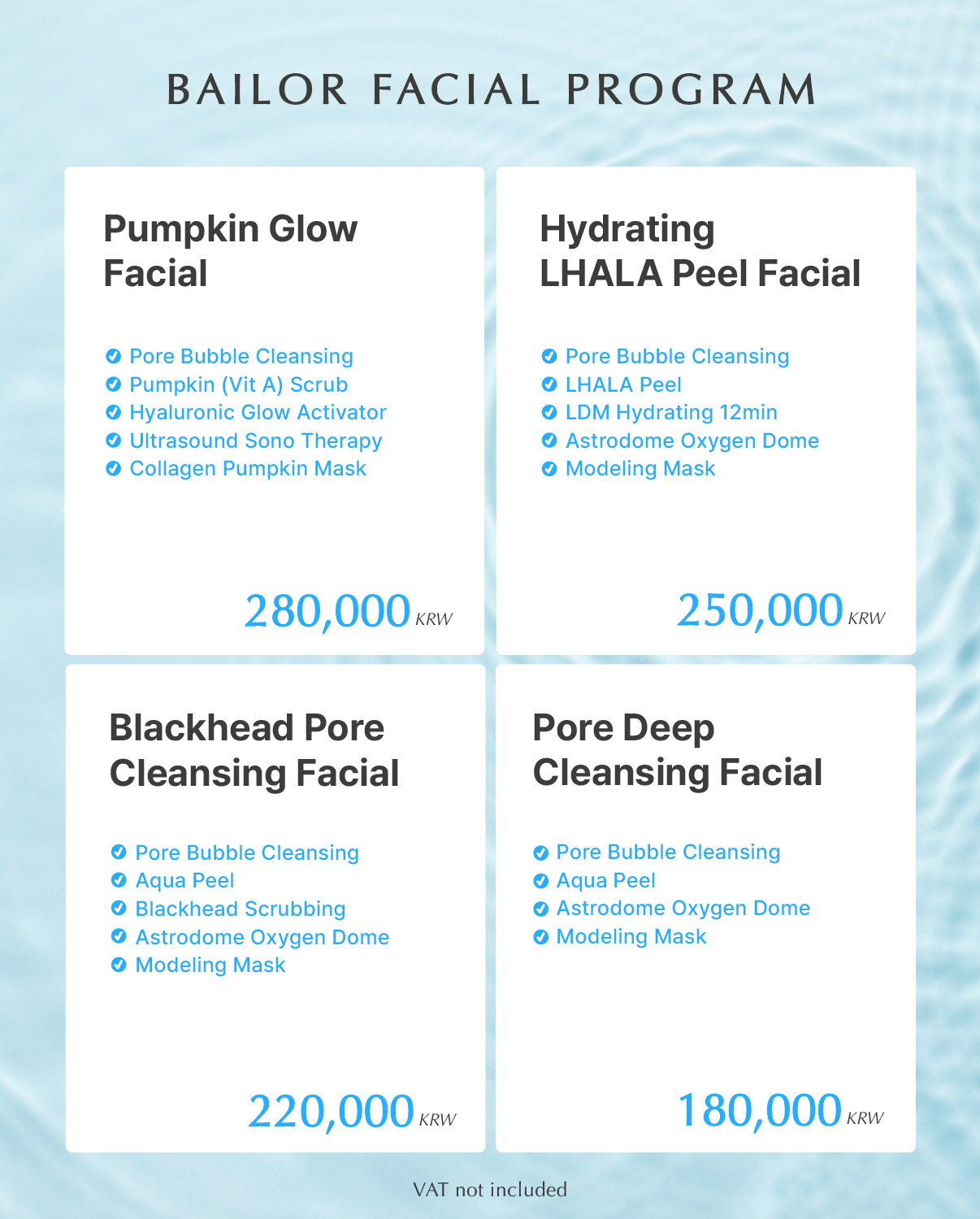
- Deep cleansing & exfoliation Gentle enzymatic or chemical exfoliation removes impurities and dead cells.
- Comedone extraction Pores are cleared manually or by suction with sterile tools to reduce blackheads, whiteheads and sebum build-up.
- LED blue light therapy Blue light targets acne-causing bacteria and helps reduce inflammation.
- Soothing mask & cryo calming Cooling care reduces redness and helps restore barrier hydration.
Optional add-ons include HydraFacial acne mode for deeper pore suction, a salicylic peel for oil control, or an exosome or Rejuran booster for healing. Learn more about acne extraction.
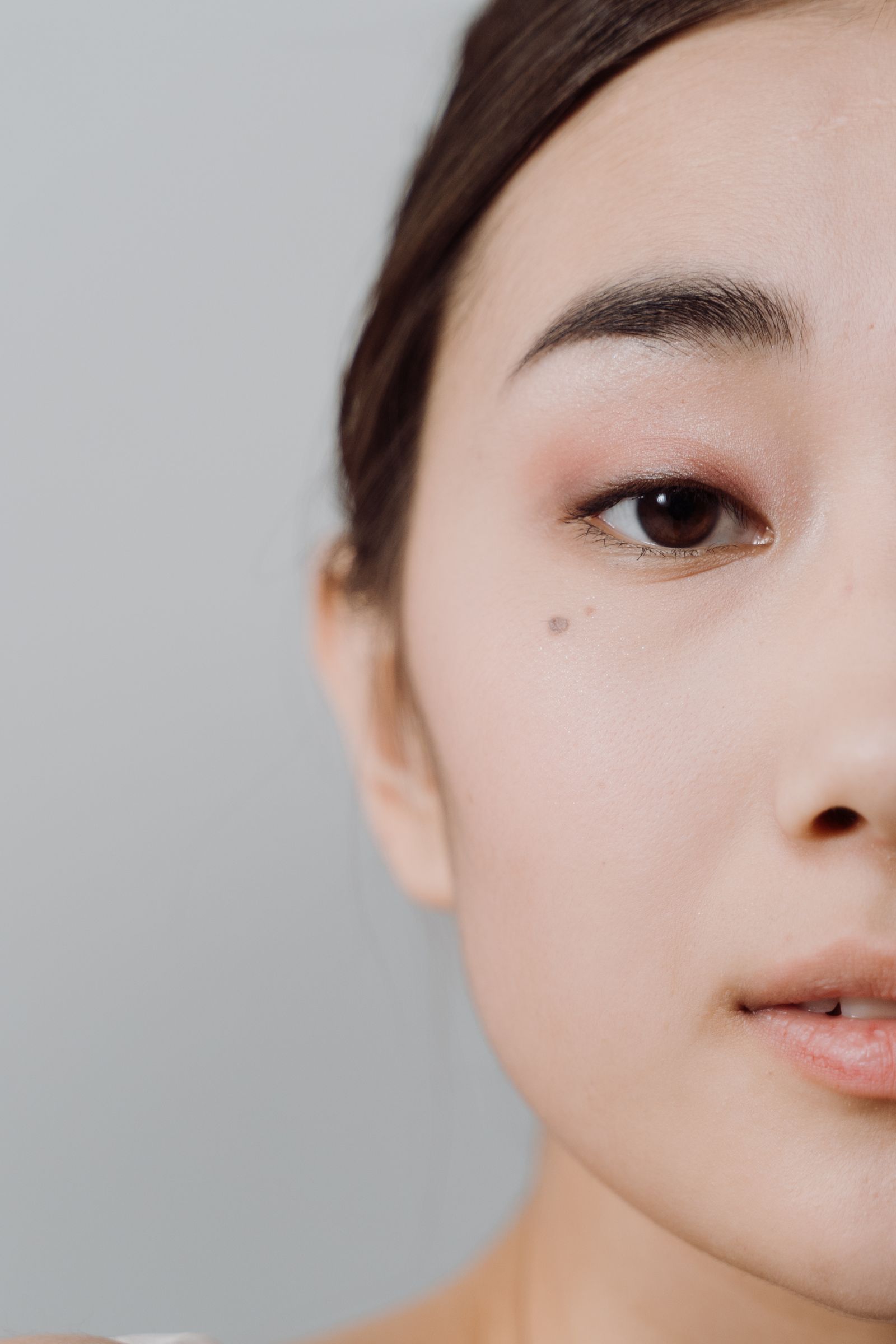 Before
After
Suitability Who should consider an acne facial?
- Oily or acne-prone skin
- Blackheads, whiteheads and congested pores
- Inflamed breakouts, including alongside medical acne treatment
- Post-acne dullness or rough texture
- Sensitive or reactive skin that cannot tolerate harsh facials
Acne on the body can be treated too — see back acne treatment.
Combination programmes Which treatments combine well with acne facials?
+ Laser toning
Helps clear post-acne marks and redness. See post-acne redness reduction.
+ HydraFacial
Adds deep hydration and oil control for congested skin.
+ LED therapy course
Repeated sessions support bacterial control and healing.
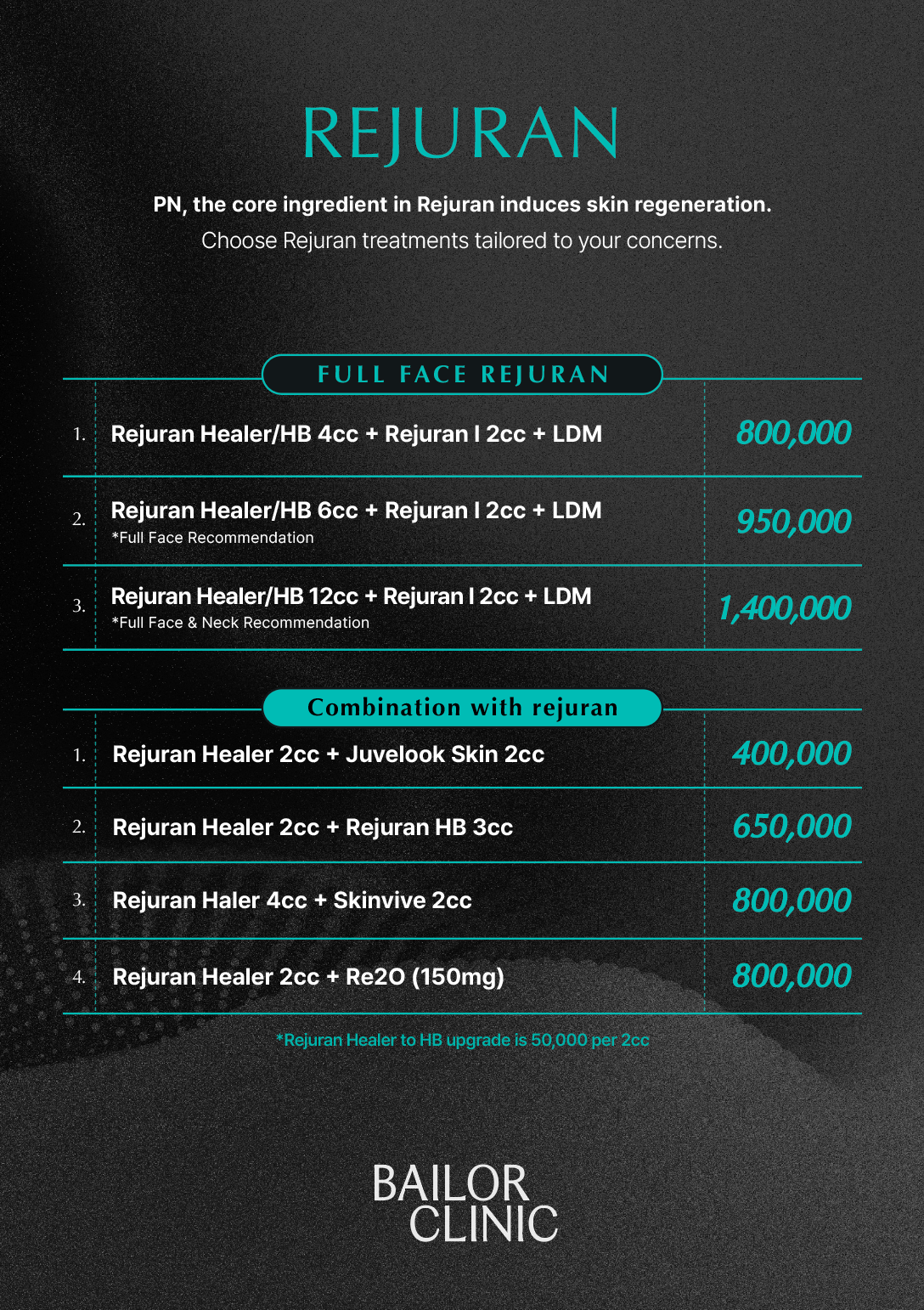
+ Rejuran Healer or exosomes
Regenerative boosters soothe inflammation and support repair of early acne scars.
Aftercare How should I care for my skin after an acne facial?
First 24 hours
- Mild redness may last a few hours
- Avoid make-up, steam rooms and saunas
- Do not touch or pick at extracted areas
Ongoing
- Non-comedogenic moisturiser and daily sunscreen
- Gentle cleansing twice a day; avoid harsh scrubs
- Monthly maintenance facials to keep pores clear
If breakouts persist despite facials, your doctor may suggest prescription treatment to address hormonal or deep inflammatory acne.
Answers from our doctors Frequently Asked Questions
How is a medical acne facial different from a spa facial?
It is designed by a doctor around your acne type, uses sterile extraction and medical-grade products, and includes LED therapy. The goal is to treat acne and prevent breakouts, not only to relax.
Will extraction leave marks?
Professional extraction with sterile tools and correct technique minimises trauma. Mild redness is common for a few hours. Squeezing spots at home is far more likely to cause marks.
How many sessions do I need?
Results are often visible after one session. For ongoing control, monthly sessions are recommended, or every 2–4 weeks during active flare-ups.
Can I have an acne facial if I have sensitive skin?
Yes. Products and exfoliation are adjusted for reactive skin, and cooling, calming steps are part of every session.
Does an acne facial treat cystic acne?
Facials can help calm inflammation, but deep cystic acne usually needs medical treatment. Our doctors can discuss options such as Accutane if appropriate.
Can I wear make-up afterwards?
It is best to avoid make-up for 24 hours to let pores settle and reduce the risk of new congestion.
Expertise & trust Why patients choose Bailor Clinic

Dr. Jimin Kang
Medical Director · Bailor Clinic, Gangnam
Every treatment plan at Bailor Clinic is designed and performed by a licensed physician. Dr. Kang leads our medical team and reviews treatment protocols so that results look natural, safe and consistent for Korean and international patients alike.
- Doctor-performed only Treatments are carried out by physicians, not delegated to staff.
- Genuine products, strict protocols Premium, authentic formulations and devices used under standardised safety protocols.
- English-speaking support Consultation and aftercare in English via WhatsApp and KakaoTalk.
- Private 1:1 rooms Discreet treatment rooms in Sinsa, near Sinsa and Jamwon stations.
This page is for general information and does not replace a medical consultation. Suitability, number of sessions and results depend on your skin and are confirmed by a doctor at Bailor Clinic.