
What causes collagen loss and can it be restored?
Collagen is the main structural protein of the dermis. From around the mid-twenties production slows by roughly 1% a year, and sun exposure, smoking and hormonal change accelerate the decline. While lost collagen cannot simply be replaced, the skin can be stimulated to make new collagen using ultrasound, radiofrequency, microneedling and biostimulatory injectables, improving firmness and elasticity over several weeks.
- Session time
- 30–90 minutes
- Comfort
- Topical numbing if needed
- Downtime
- Mild redness or tightness for 1–2 days
- Typical course
- 1–3 sessions depending on method
- Results
- Build gradually over 4–8 weeks and beyond
- Maintenance
- Every 6–12 months
Understanding collagen loss What are the signs of collagen loss?
Collagen gives the dermis its thickness and strength, while elastin lets it spring back. When both decline, the changes are often subtle at first and then become more obvious over a few years. Common early signs include:
- Skin that feels thinner or less springy when pinched
- Fine lines that gradually deepen into deeper wrinkles
- Softening of the jawline and early sagging around the cheeks
- Reduced density, with visible pores and a less smooth surface
- A dull or tired-looking complexion that does not recover with sleep
Why it happens Why does collagen decline with age?
Fibroblasts, the cells that produce collagen, become less active over time. At the same time, enzymes that break collagen down become more active, especially after UV exposure. The balance shifts towards loss, and the dermal matrix becomes thinner and less organised.
Intrinsic ageing
Natural, gradual slowing of fibroblast activity that begins in early adulthood.
Photo-ageing
UV light damages collagen fibres and is responsible for much of visible facial ageing.
Hormonal change
Falling oestrogen around menopause is linked to a noticeable drop in skin collagen.
Lifestyle factors
Smoking, high sugar intake, poor sleep and stress all contribute to faster breakdown.
 Before
After
Options at Bailor How does the Collagen Regeneration Program work?
The programme uses controlled stimulation to trigger the skin's own repair response. Your doctor chooses the combination according to skin type, degree of collagen loss and whether firmness, volume or texture is the main concern.
Ultrasound lifting
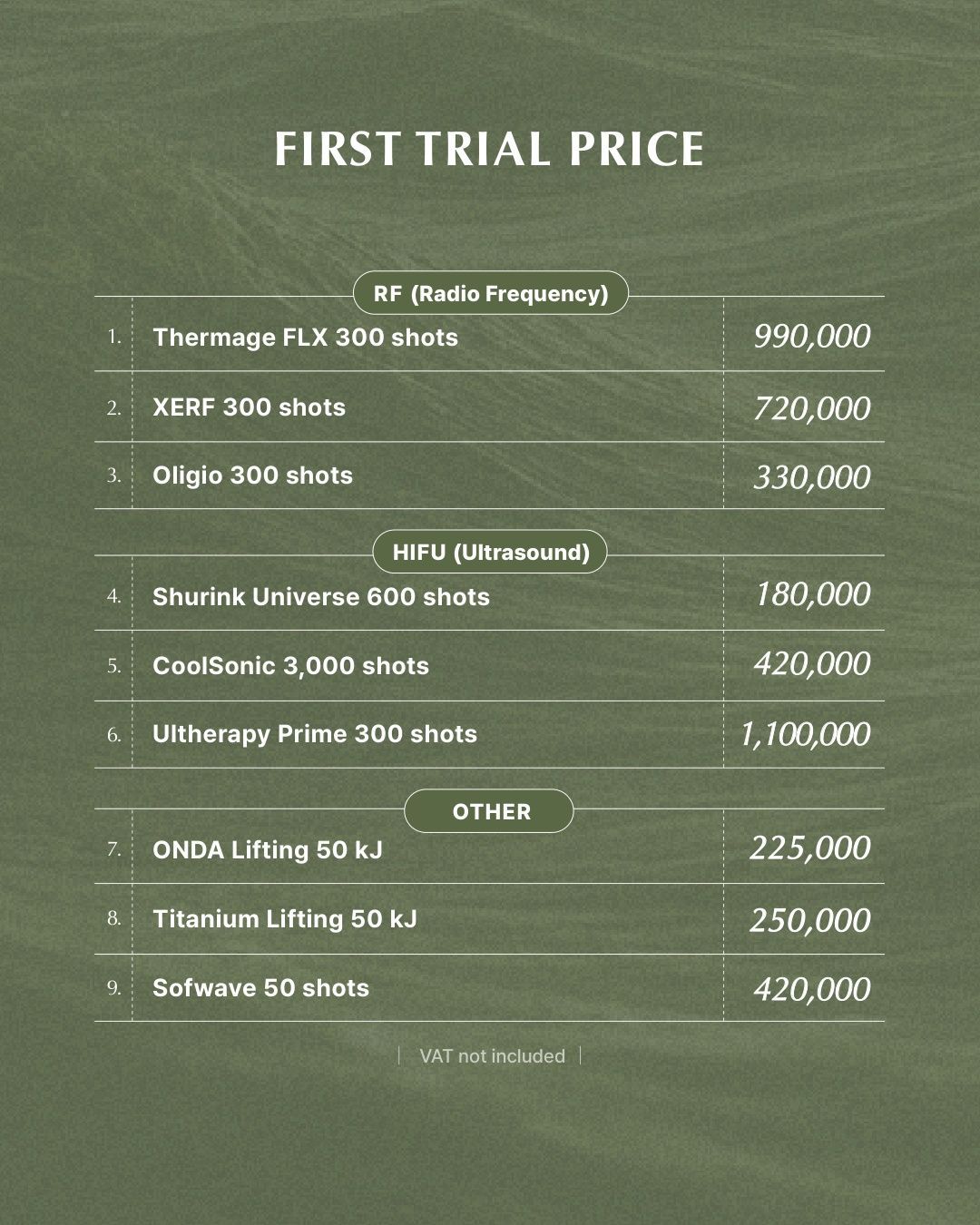
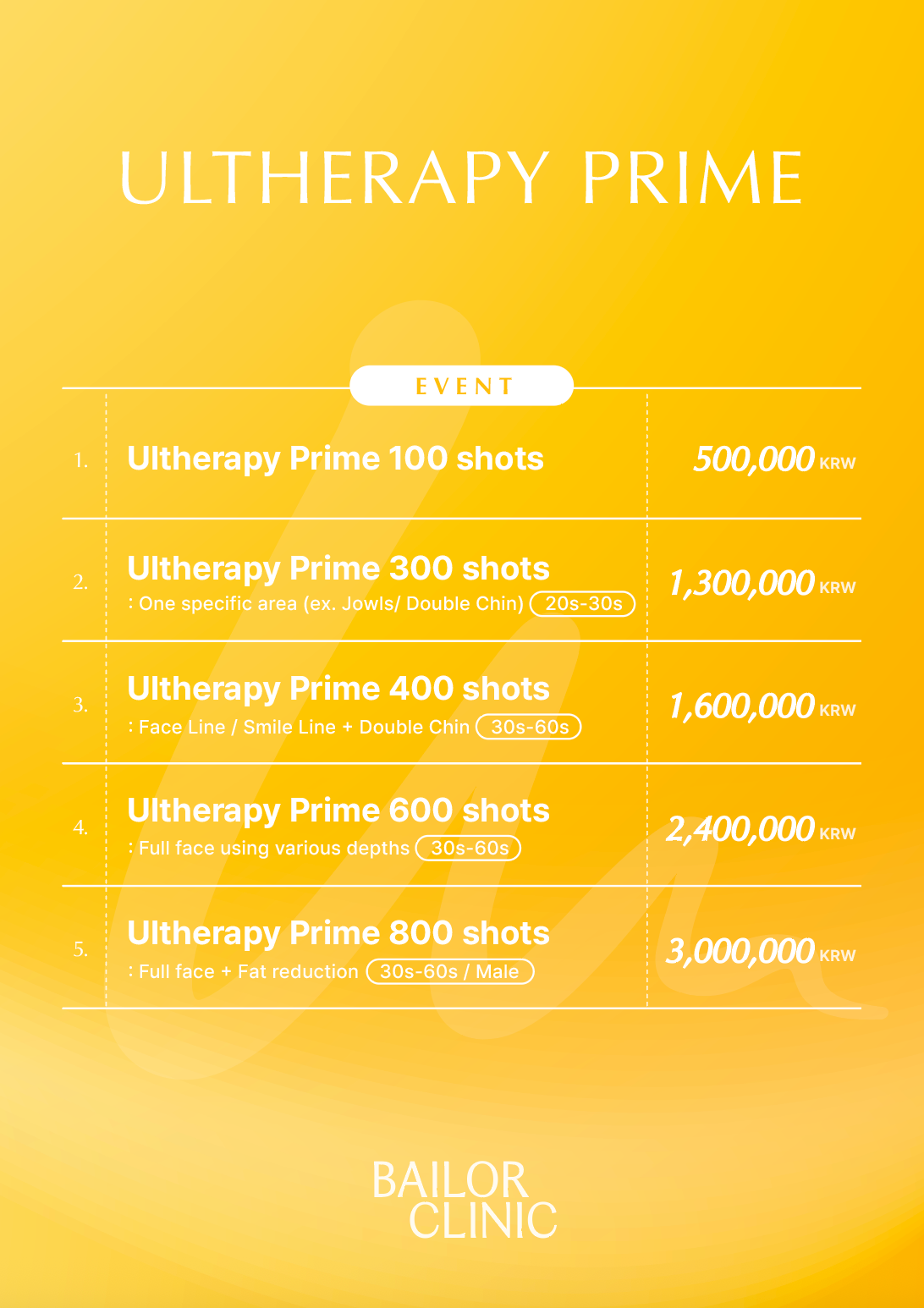
Ultherapy and HIFU deliver focused energy to the SMAS layer to start deep collagen rebuilding.
RF tightening
Thermage FLX heats the dermis to contract existing fibres and stimulate renewal over time.
RF microneedling
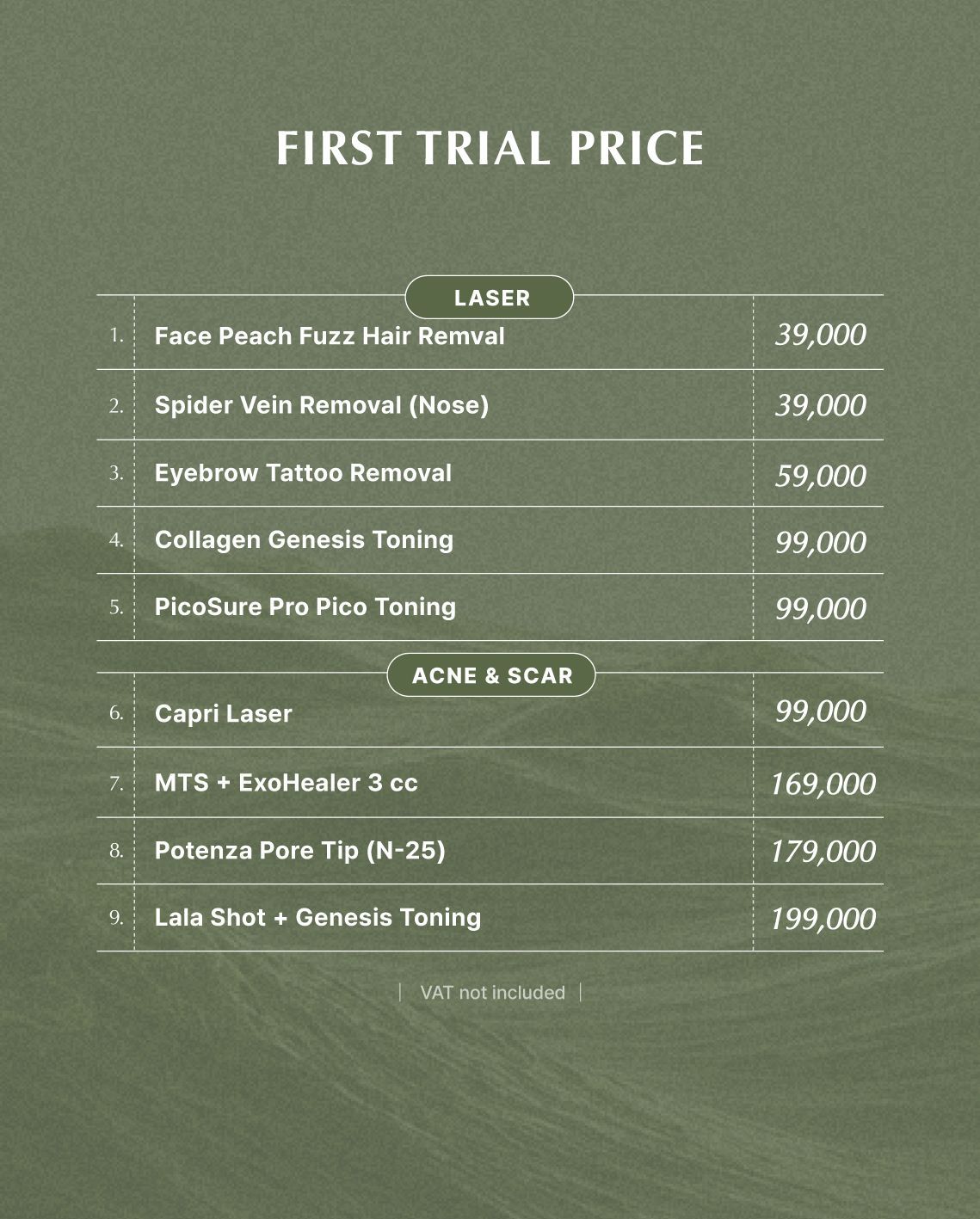
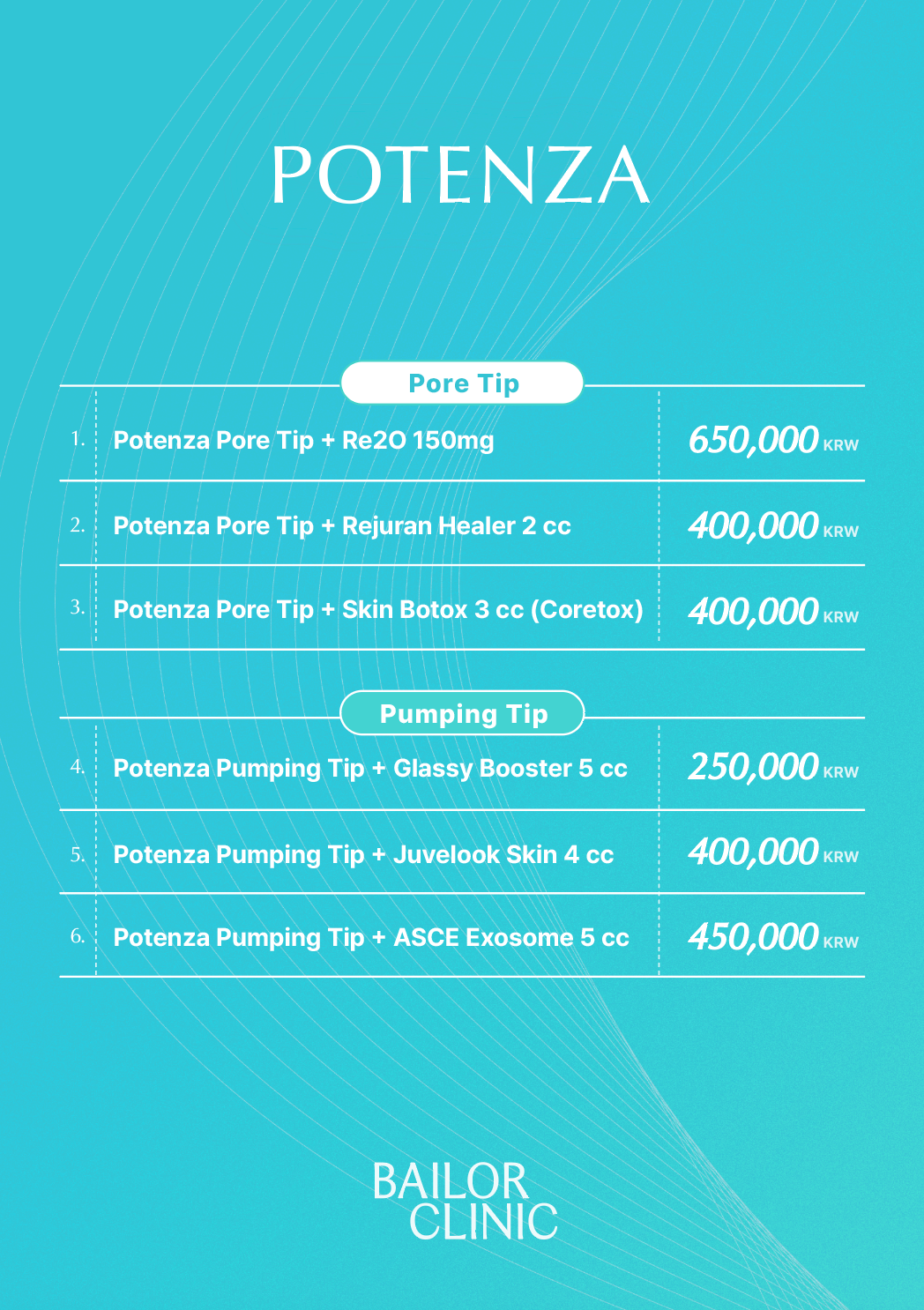
Secret RF and Potenza deliver radiofrequency into the dermis for remodelling and smoother texture.
Biostimulators and boosters
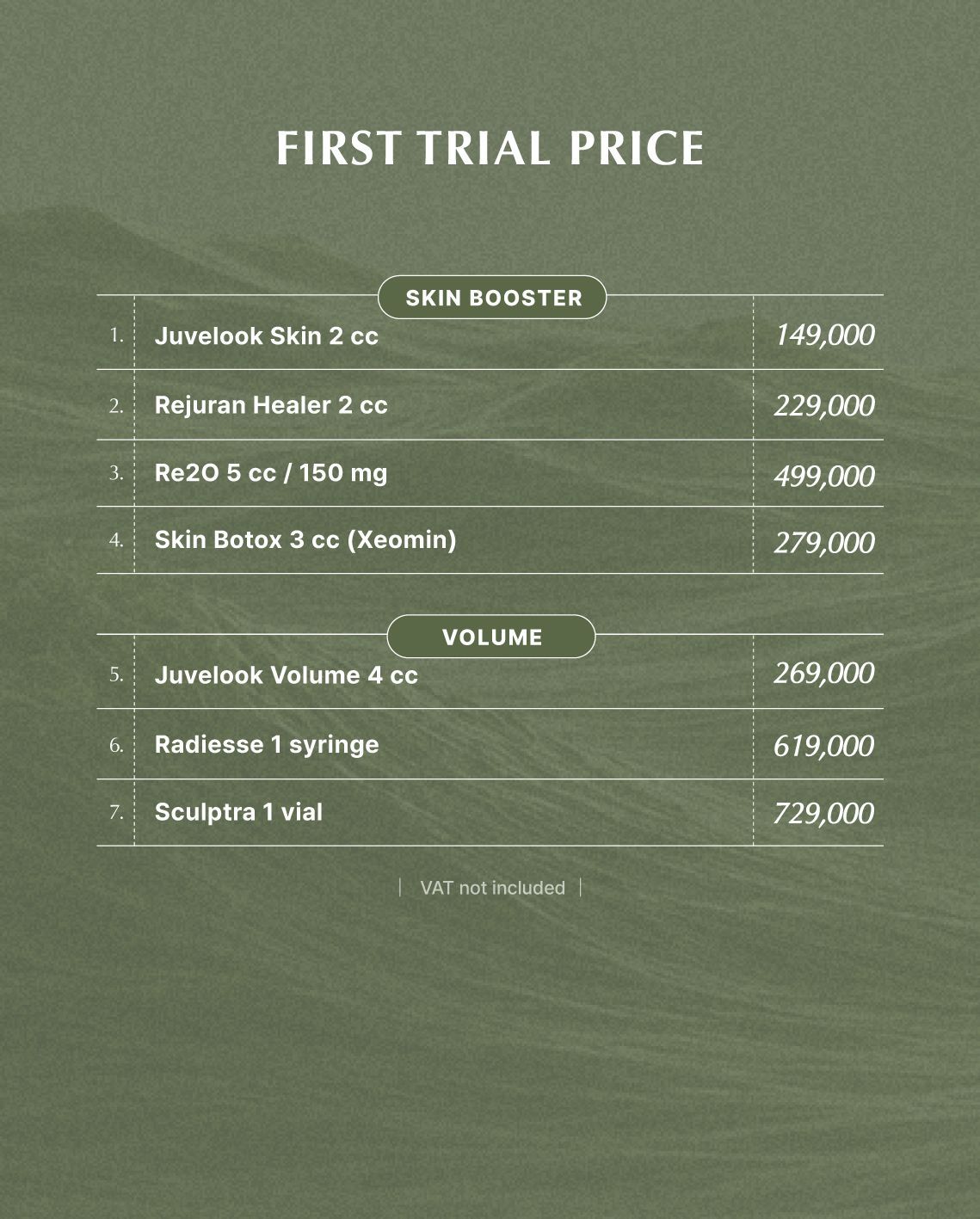
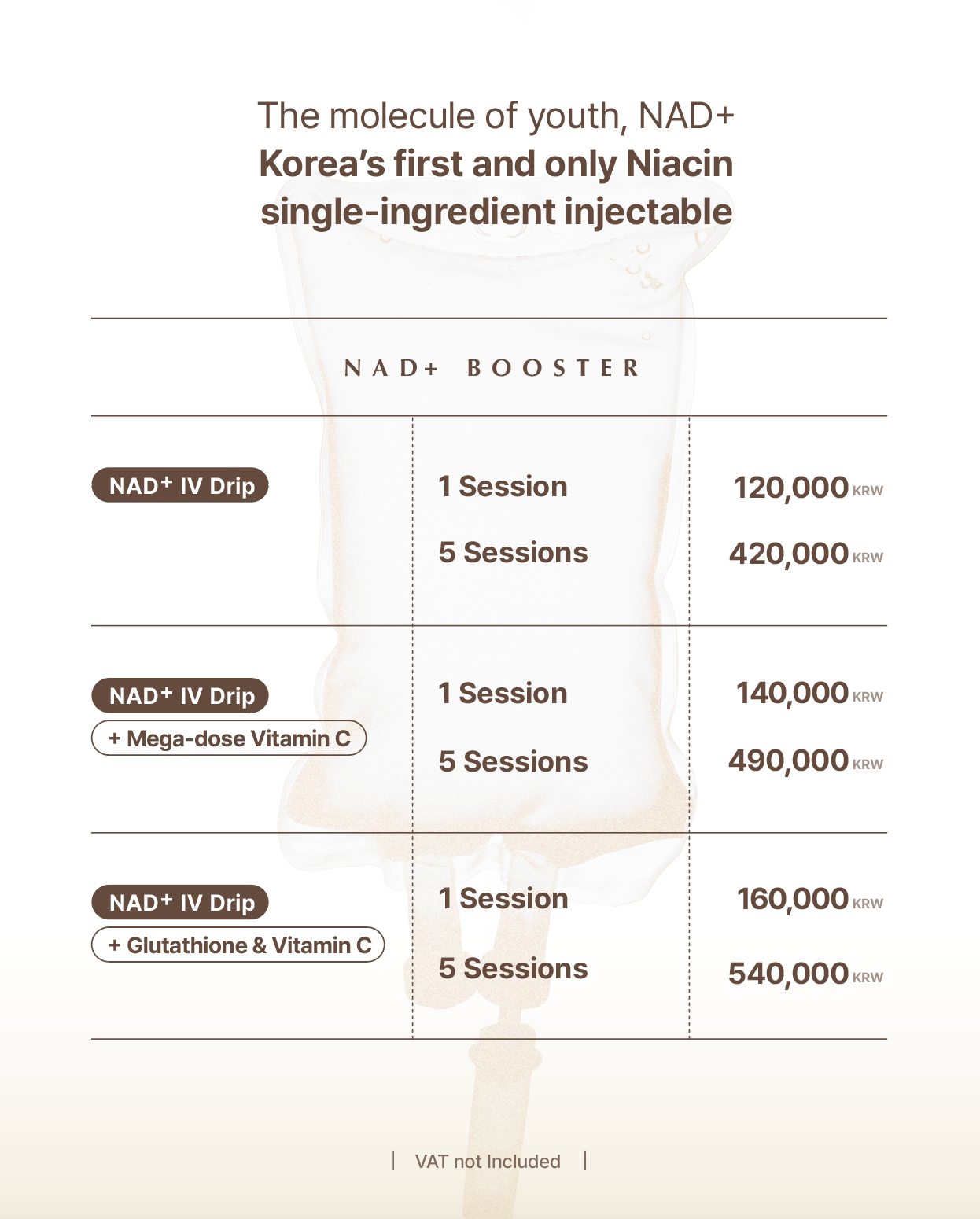
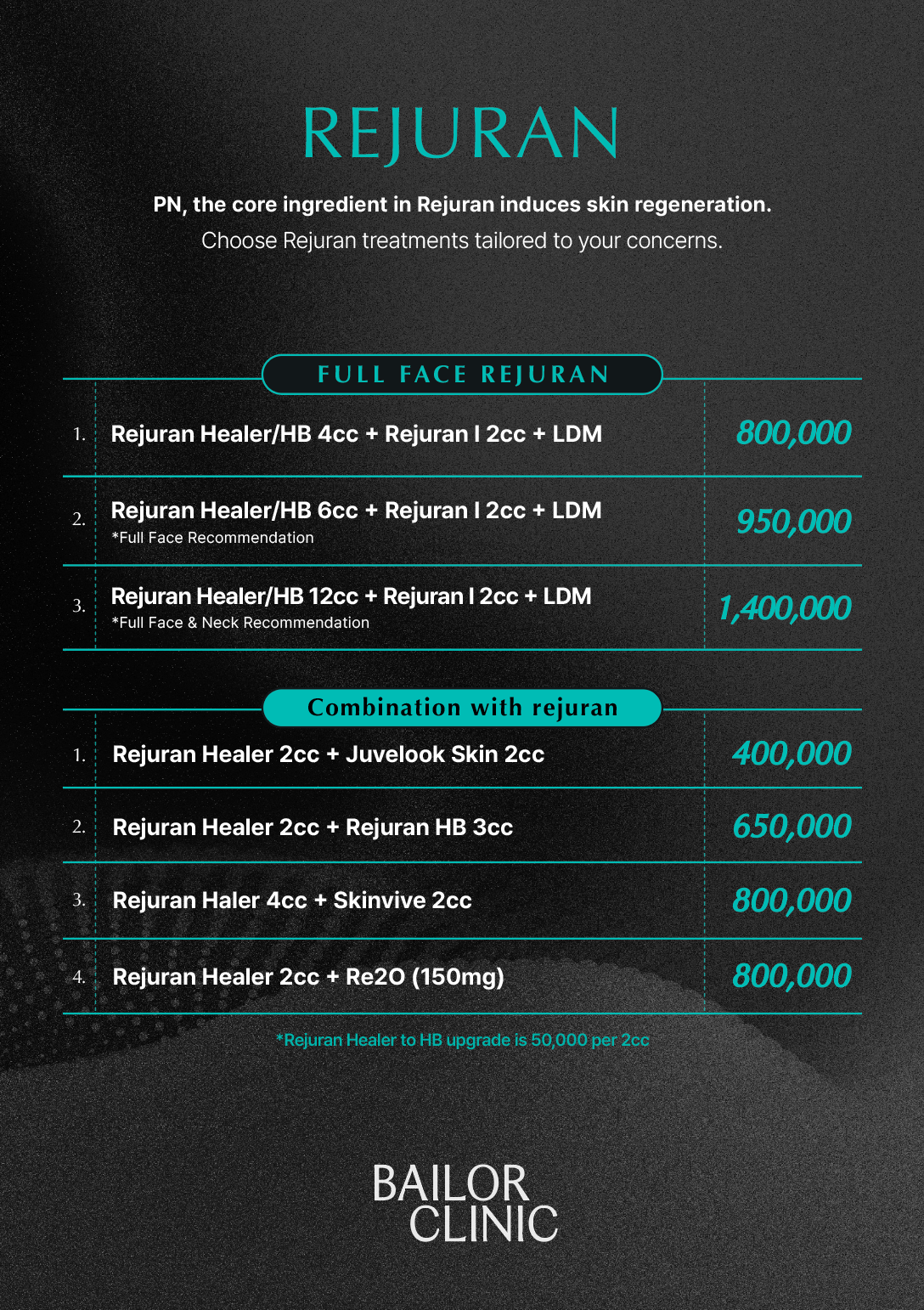
Sculptra, Radiesse and Juvelook encourage collagen production, while Rejuran Healer, exosomes and PN boosters repair the dermal matrix.
Your visit What to expect from your treatment
- Consultation and elasticity analysis A doctor examines skin thickness, laxity and texture, and reviews your history and previous treatments.
- Customised plan We recommend lifting, injectables or a combination, with a realistic timeline for visible change.
- Treatment Sessions last 30–90 minutes depending on the procedure, with topical numbing where needed.
- Collagen-building phase Mild redness or tightness settles within 1–2 days. Firmness typically improves over 4–8 weeks and can continue for several months.
Protecting new collagen How to support collagen after treatment
New collagen needs time and the right conditions to mature. These habits help protect your results:
Straight after treatment
- Avoid intense exercise and saunas for 48 hours
- Use gentle, fragrance-free skincare
- Keep the skin well hydrated
Long term
- Daily SPF 50+ to limit UV breakdown
- Retinoids or peptides if your doctor recommends them
- Stop smoking and prioritise sleep
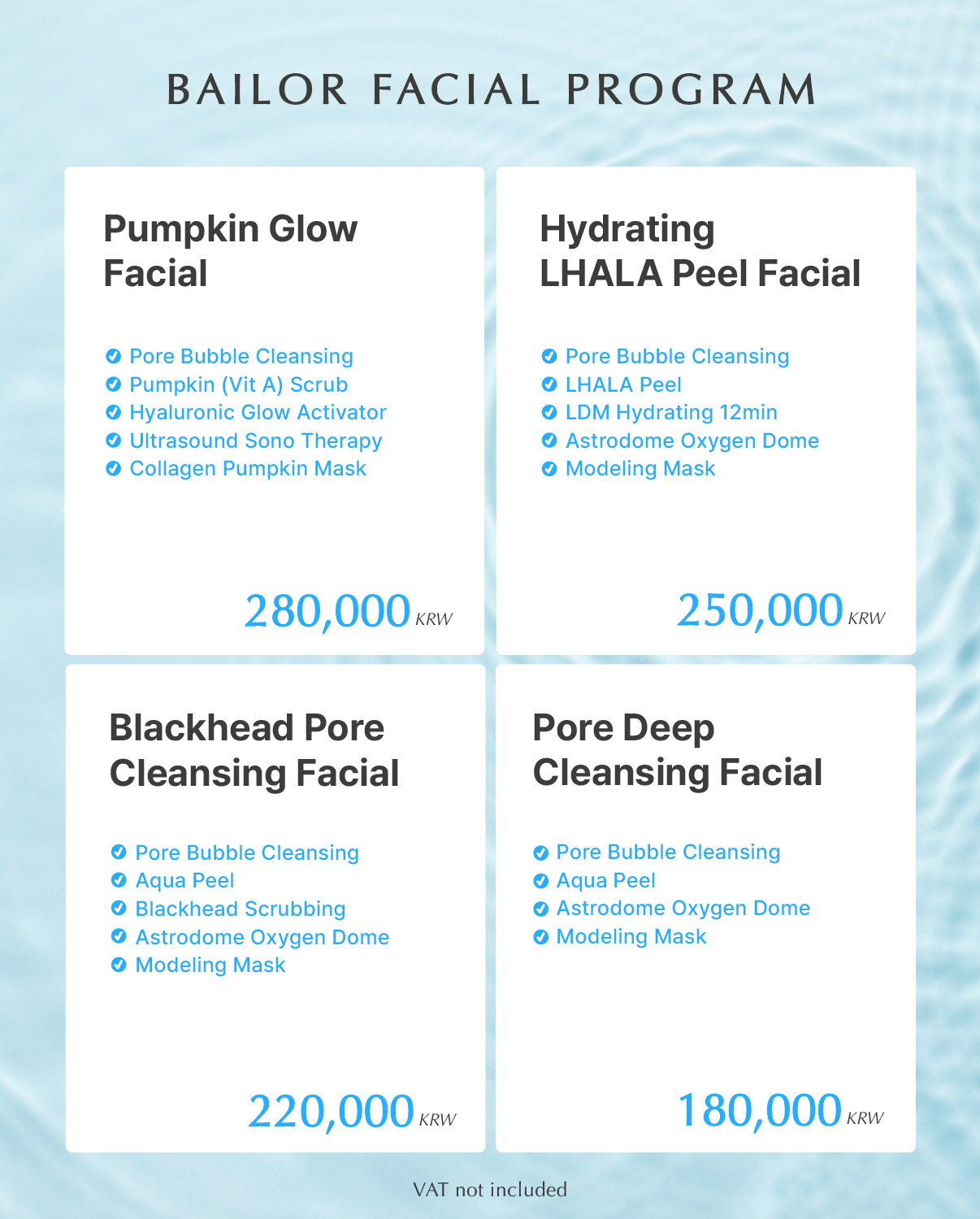
If dryness accompanies thinning skin, combining collagen work with hydration therapy often gives a more complete result.
Answers from our doctors Frequently Asked Questions
At what age does collagen loss start?
Collagen production begins to decline in the mid-twenties and continues gradually through life, with a faster drop around menopause. Visible signs such as thinning and early sagging usually appear in the thirties and forties.
Do collagen supplements or creams work?
Topical collagen molecules are generally too large to penetrate the dermis, and evidence for supplements is limited. Treatments that stimulate your own fibroblasts, together with sunscreen and retinoids, have stronger support.
How long until I see results?
Some tightening may be felt soon after energy-based treatments, but most improvement appears gradually over 4–8 weeks as new collagen forms, and can continue for up to six months.
Which treatment is best for collagen loss?
It depends on your main concern. Ultrasound and RF devices are ideal for laxity, biostimulatory injectables for volume, and boosters for density and hydration. Many patients benefit from a combination planned by a doctor.
Is collagen stimulation painful?
Most patients describe warmth, pressure or a prickling sensation. Topical numbing is used where appropriate, and settings are adjusted for your comfort throughout the session.
Can I combine this with other anti-ageing treatments?
Yes. Collagen stimulation pairs well with fillers, botulinum toxin and skin boosters. Read about loss of elasticity and sagging skin for related options.
Expertise & trust Why patients choose Bailor Clinic
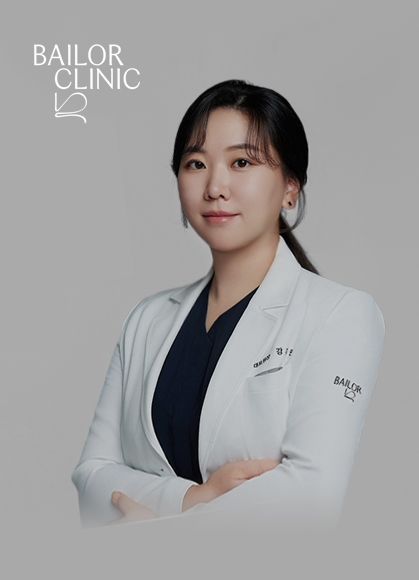
Dr. Jimin Kang
Medical Director · Bailor Clinic, Gangnam
Every treatment plan at Bailor Clinic is designed and performed by a licensed physician. Dr. Kang leads our medical team and reviews treatment protocols so that results look natural, safe and consistent for Korean and international patients alike.
- Doctor-performed only Treatments are carried out by physicians, not delegated to staff.
- Genuine products, strict protocols Premium, authentic formulations and devices used under standardised safety protocols.
- English-speaking support Consultation and aftercare in English via WhatsApp and KakaoTalk.
- Private 1:1 rooms Discreet treatment rooms in Sinsa, near Sinsa and Jamwon stations.
This page is for general information and does not replace a medical consultation. Suitability, number of sessions and results depend on your skin and are confirmed by a doctor at Bailor Clinic.