
What is skin pigmentation and how is it treated with laser?
Pigmentation refers to darker spots or patches caused by excess melanin, such as freckles, sun spots, melasma and post-inflammatory marks. Laser treatment works by delivering precisely tuned light that breaks pigment into tiny particles, which the body then clears naturally. Because each type sits at a different depth, the doctor matches the laser, wavelength and energy to the pigment and your skin tone, usually over a short series of sessions.
- Session time
- 15–40 minutes
- Comfort
- Mild snapping; cooling and numbing
- Downtime
- Redness or temporary darkening
- Typical course
- Several sessions, case by case
- Visible change
- After a few sessions
- Maintenance
- Daily SPF and periodic toning
Understanding pigmentation What types of pigmentation can be treated?
Melanin protects skin from UV, but when pigment cells become overactive or pigment collects in one area, it shows up as spots or patches. Identifying the type correctly matters, because a setting that clears a freckle could irritate melasma.
Freckles and sun spots
Small, well-defined spots on sun-exposed skin. Often respond well to picosecond lasers. See age spots and freckles.
Melasma
Broader, symmetrical patches linked to hormones and UV, needing a gentle, low-energy approach. Read about melasma treatment.
Post-inflammatory marks
Brown marks left after acne, injury or irritation, common in Asian and darker skin types.
Diffuse uneven tone
Blotchy, dull colour from cumulative sun damage, sometimes mixed with redness.
Suitability Who is the Pigmentation Laser Program for?
- Freckles, age spots or sun-induced pigmentation
- An uneven or dull complexion that make-up no longer evens out
- Melasma or post-inflammatory hyperpigmentation
- Redness or blotchiness linked to UV exposure
- Long-standing pigmentation that has not improved with creams alone
Laser is usually postponed if you have a fresh tan, active infection or certain photosensitising medications; your doctor will check this at consultation.
Options at Bailor Which lasers and treatments does Bailor Clinic use?
Your plan is built around pigment depth, skin sensitivity and how much downtime you can accept. Most programmes combine a pigment laser with tone-evening and regenerative care.
PicoWay / PicoSure
Ultra-short picosecond pulses shatter pigment clusters with less heat, also supporting collagen. Learn more about PicoSure.
Laser toning
Nd:YAG, Genesis and Excel V evens tone, calms redness and brightens sun-damaged skin. See laser toning.
Regenerative boosters
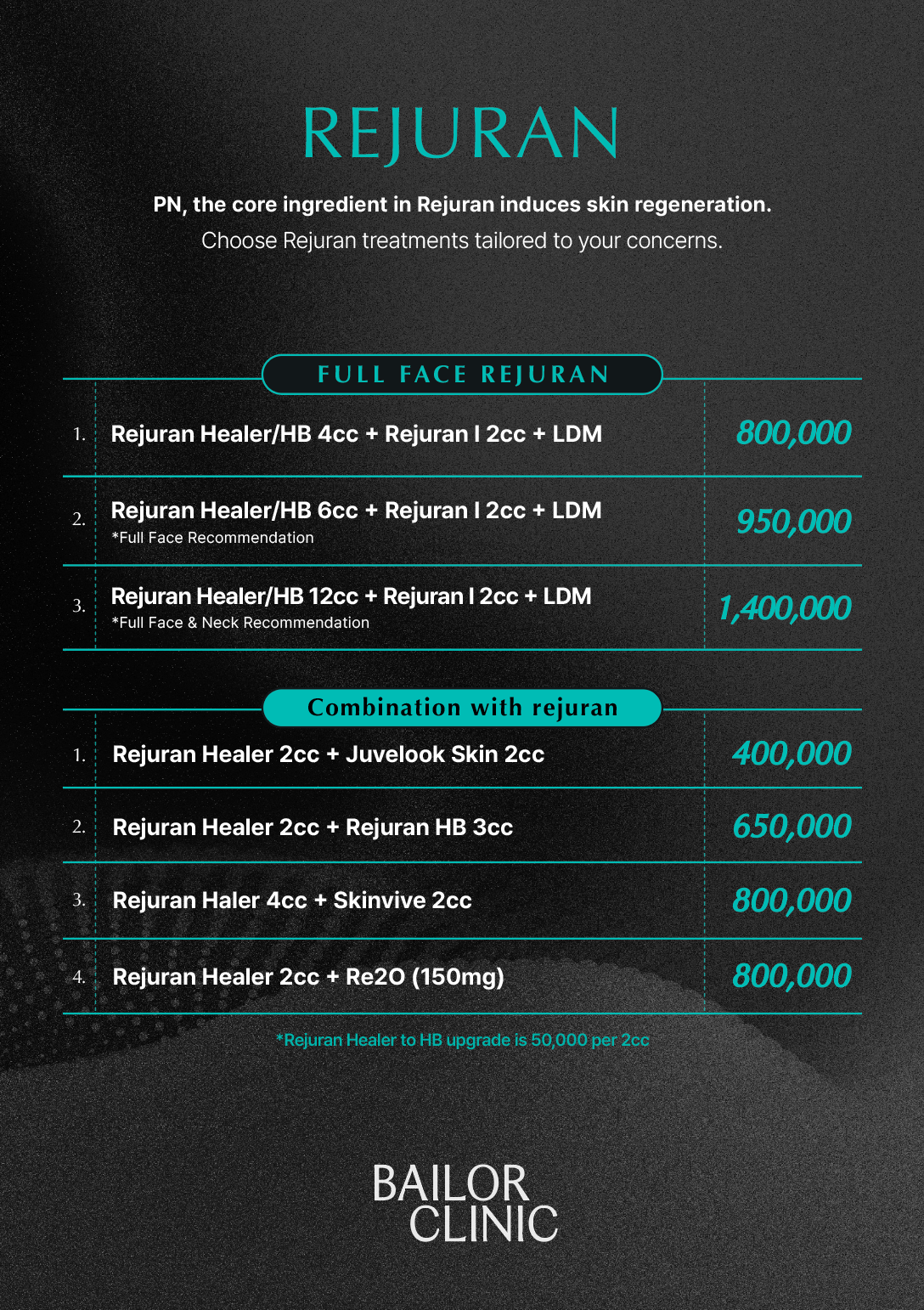
Rejuran Healer, exosomes, Juvelook or NCTF Filorga strengthen the dermis and support recovery after laser.
Brightening IV therapy
Glutathione and vitamin C drips can support results from within alongside laser sessions.
Combination laser therapy allows the doctor to adjust wavelengths and intensity for spots at different depths in the same session.
 Before
After
Your visit What happens during a pigmentation laser session?
- Skin analysis Pigment type and depth are assessed so the doctor can tell freckles, melasma and PIH apart.
- Planning laser settings The doctor selects device, wavelength and energy for your skin tone and agrees a home-care routine.
- Laser treatment A session lasts 15–40 minutes depending on area; cooling and numbing are used if needed, and most people feel light snapping.
- Calming and protection Soothing care and sunscreen finish the visit. Treated spots may darken slightly before flaking away over 1–2 weeks.
Protecting results How should I care for my skin after pigmentation laser?
Temporary redness or a mild darkening of spots is normal as pigment lifts. Good aftercare reduces the risk of new or rebound pigmentation.
Do
- Apply SPF 50+ every morning and reapply outdoors
- Use gentle, hydrating skincare
- Let small crusts fall off naturally
Avoid
- Direct sun and tanning for several weeks
- Scrubs, strong acids or retinoids until advised
- Saunas and heavy sweating for 24–48 hours
For broader tone concerns, our uneven skin tone page explains complementary options.
Answers from our doctors Frequently Asked Questions
How many laser sessions do I need for pigmentation?
It depends on the type. Some freckles and sun spots lighten noticeably after one or two picosecond sessions, while melasma and diffuse tone usually need a series of gentle toning sessions. Your doctor gives an estimate after skin analysis.
Will the pigmentation come back?
Treated spots can stay clear for a long time, but new pigment can form with sun exposure and ageing. Daily sunscreen and occasional maintenance toning help keep the complexion even.
Is laser safe for Asian or darker skin tones?
Yes, when energy and wavelength are chosen carefully. Overly aggressive settings can cause post-inflammatory darkening, so our doctors adjust parameters to skin type and favour gradual, controlled treatment.
Why do my spots look darker after treatment?
Temporary darkening is a common, expected reaction as shattered pigment rises to the surface. It usually flakes off within 1–2 weeks, revealing lighter skin underneath.
What is the difference between PicoWay and laser toning?
Picosecond lasers deliver very short, powerful pulses for distinct spots, while toning uses low energy over the whole face to even overall tone. Many plans combine both. Compare with pico toning.
Can I have pigmentation laser while visiting Seoul?
Yes. Sessions are short with minimal downtime, so many visitors start treatment during their stay. Plan around strong sun exposure afterwards, and message us on WhatsApp or KakaoTalk to schedule sessions.
Expertise & trust Why patients choose Bailor Clinic
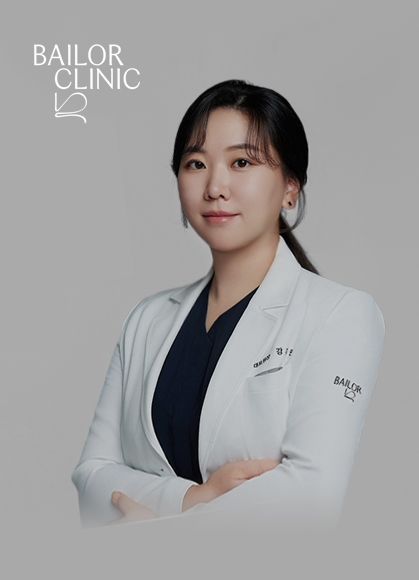
Dr. Jimin Kang
Medical Director · Bailor Clinic, Gangnam
Every treatment plan at Bailor Clinic is designed and performed by a licensed physician. Dr. Kang leads our medical team and reviews treatment protocols so that results look natural, safe and consistent for Korean and international patients alike.
- Doctor-performed only Treatments are carried out by physicians, not delegated to staff.
- Genuine products, strict protocols Premium, authentic formulations and devices used under standardised safety protocols.
- English-speaking support Consultation and aftercare in English via WhatsApp and KakaoTalk.
- Private 1:1 rooms Discreet treatment rooms in Sinsa, near Sinsa and Jamwon stations.
This page is for general information and does not replace a medical consultation. Suitability, number of sessions and results depend on your skin and are confirmed by a doctor at Bailor Clinic.