
What is rosacea and how is it treated?
Rosacea is a chronic inflammatory skin condition that causes persistent central facial redness, flushing, visible capillaries and sometimes acne-like bumps. Triggers include heat, sun, stress, alcohol and spicy food. It cannot be cured outright, but it can be well controlled with vascular laser to reduce vessels, barrier-repair treatments to calm sensitivity, and medical skincare and trigger management to limit flare-ups.
- Session time
- 30–60 minutes
- Comfort
- Cooling; minimal discomfort
- Downtime
- Warmth or mild redness for a few hours
- Typical course
- Several sessions, 2–4 weeks apart
- Results
- Calmer tone within weeks of consistent care
- Maintenance
- Periodic sessions to control flares
Understanding rosacea What are the types and triggers of rosacea?
Rosacea involves overactive blood vessels, an over-reactive immune response and a weakened skin barrier. It often begins as easy flushing and progresses to persistent redness if left unmanaged. Doctors usually describe two main patterns, and many people show features of both.
Erythematotelangiectatic
Redness-dominant rosacea with flushing and fine visible vessels, often overlapping with broken capillaries.
Papulopustular
Inflammatory rosacea with red bumps and pustules that can be mistaken for acne, usually on a red background.
Common triggers
Heat, sun, hot drinks, alcohol, spicy food, stress and sudden temperature changes are frequent flare factors.
Barrier weakness
Stinging, dryness and rough texture signal a compromised barrier that makes skin more reactive to products.
Suitability Who is the Rosacea Control Program for?
- Persistent redness or flushing on the cheeks, nose or chin
- Visible blood vessels on the cheeks or around the nose
- Flare-ups linked to stress, heat or diet
- Sensitive skin that stings or reacts easily
- Redness combined with dryness or uneven, rough texture
If your redness follows acne rather than rosacea, our post-acne redness programme may be more appropriate. A doctor will confirm the diagnosis first.
Options at Bailor How we treat rosacea at Bailor Clinic
The programme targets both the vascular and the inflammatory sides of rosacea, using gentle settings that respect reactive skin.
Vascular laser
Excel V, Genesis, IPL or pico toning reduce dilated capillaries and diffuse redness without harming surrounding skin.
RF microneedling
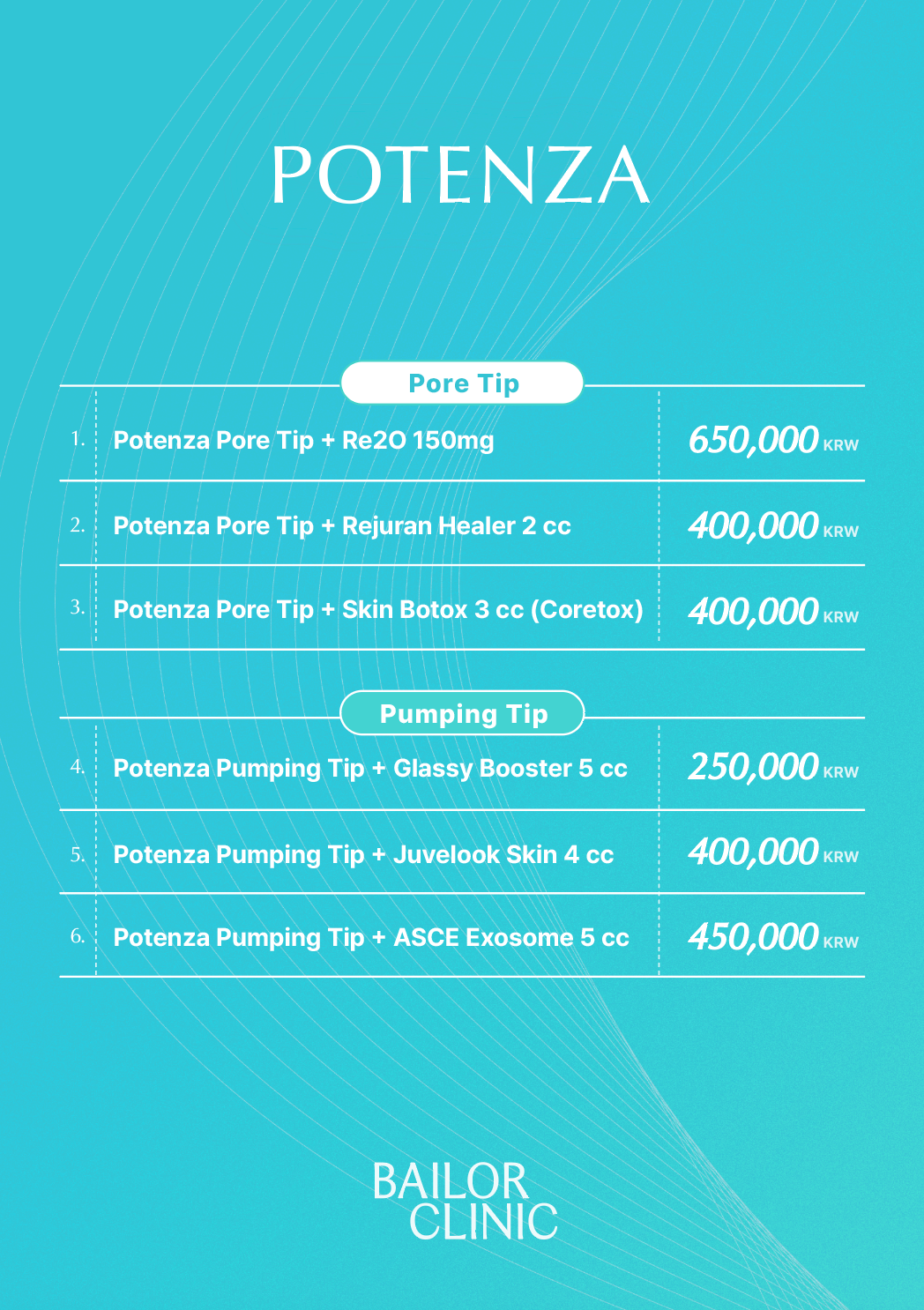
Secret RF or Potenza can improve microcirculation, firm the skin and support barrier strength in selected patients.
Regenerative boosters
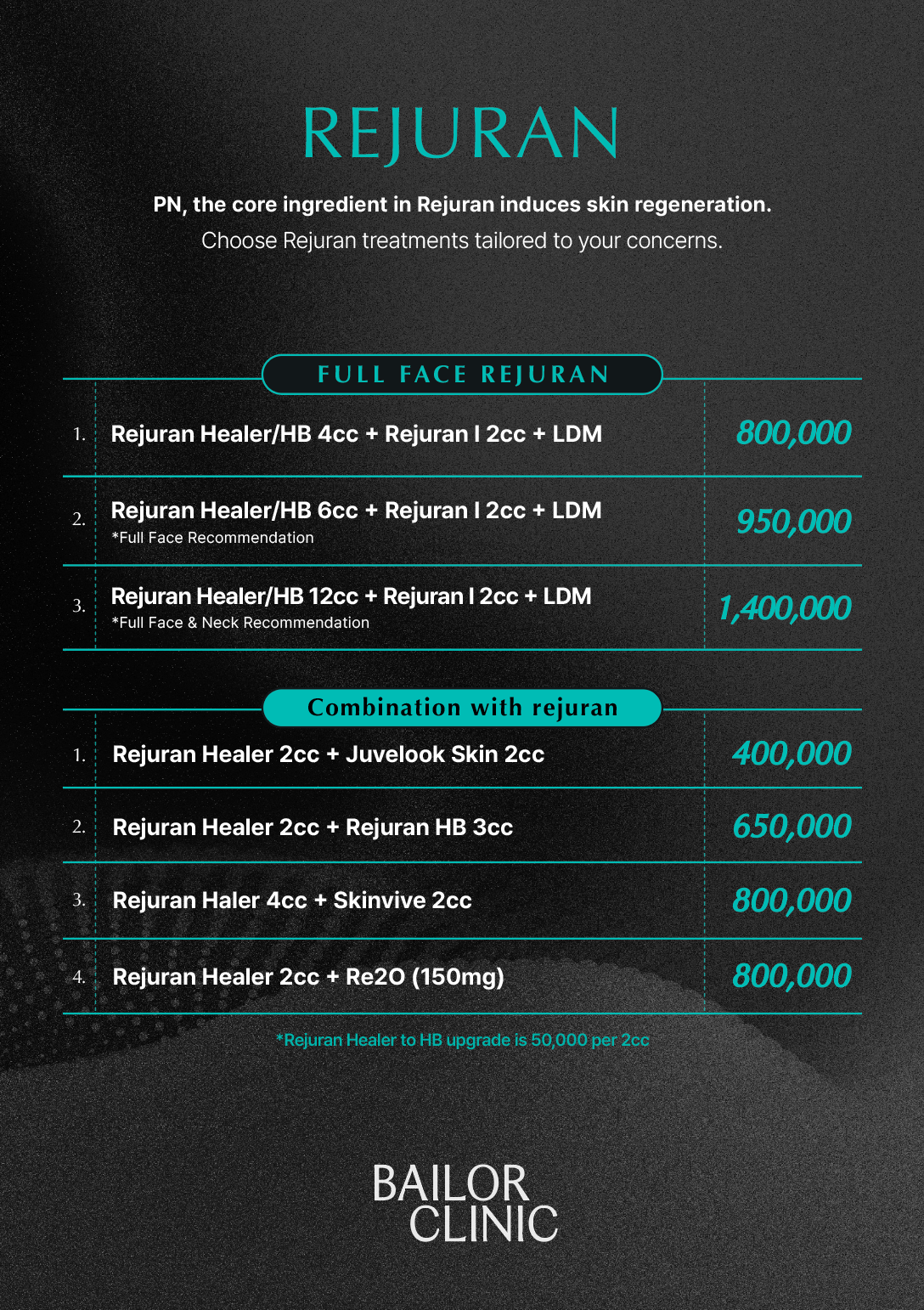
Rejuran Healer, exosome, PN therapy or Juvelook help repair tissue, calm inflammation and restore hydration.
Calming facials & IV support
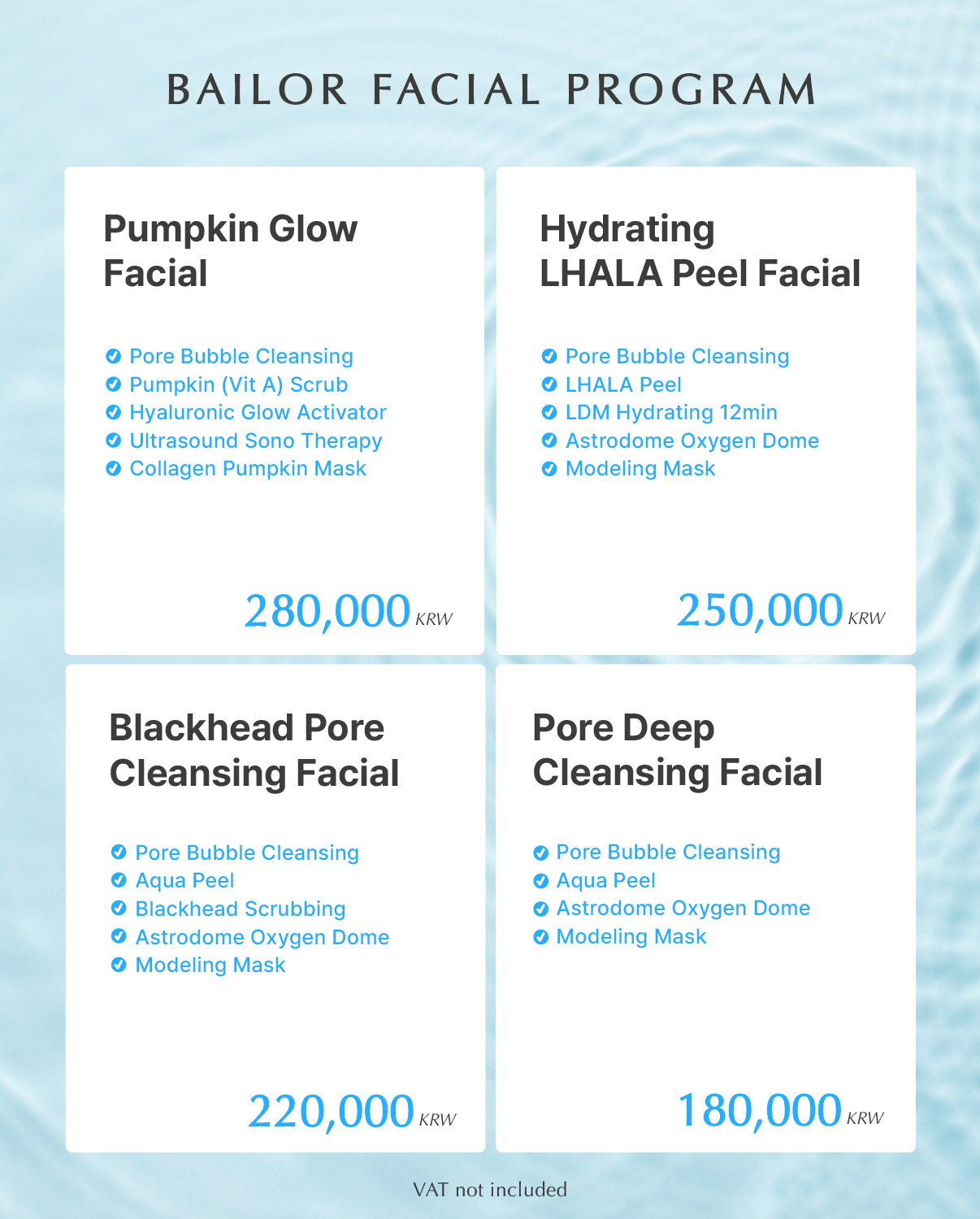
Aqua Peel, LHALALA Peel and calming therapy soothe the skin; vitamin C, glutathione or Myers’ Cocktail drips offer antioxidant support.
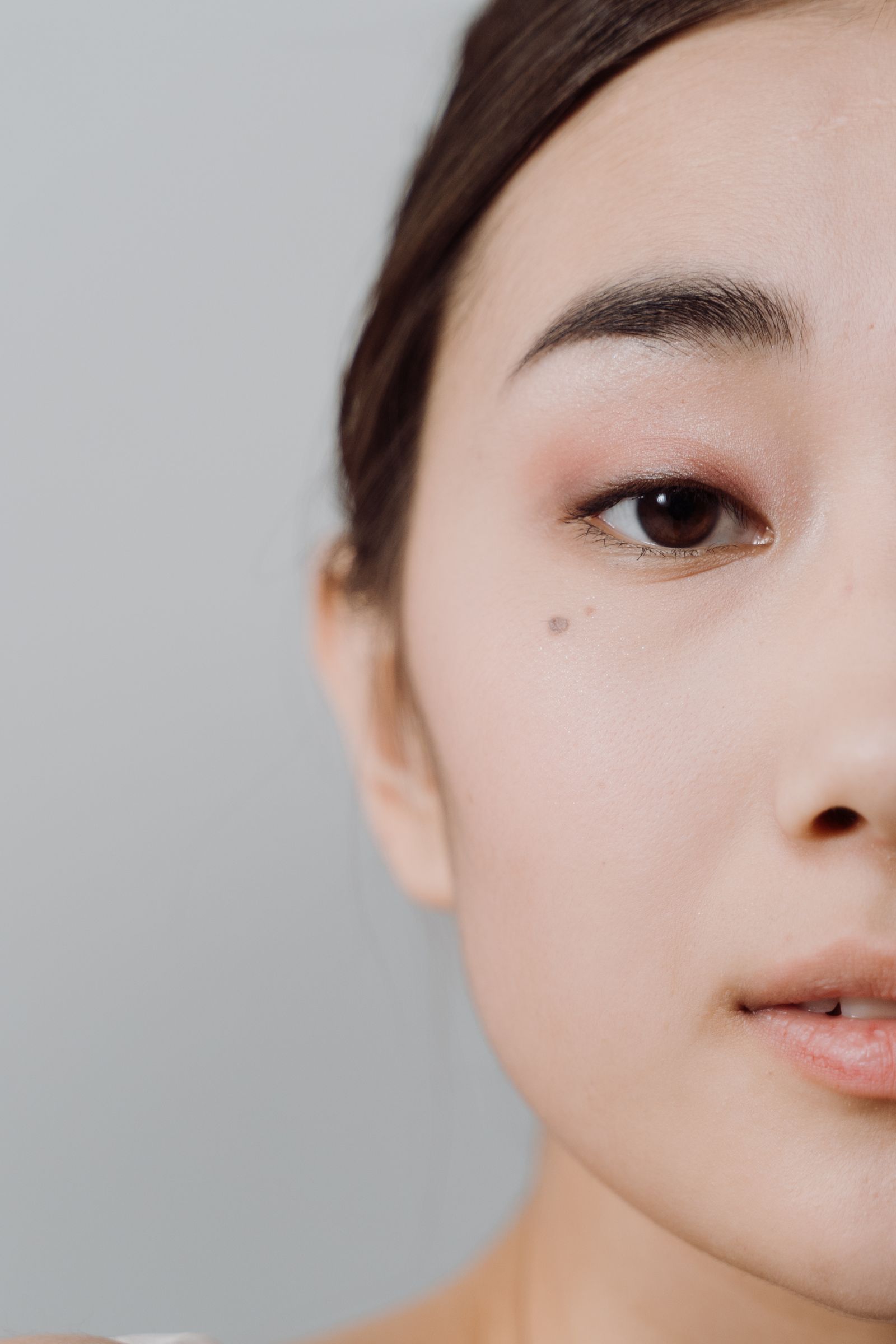 Before
After
Your visit What happens at a rosacea appointment?
- Diagnosis & skin assessment A doctor confirms rosacea, determines its type and checks barrier condition and sensitivity.
- Trigger review We discuss your lifestyle, skincare and flare patterns to identify what to avoid.
- Tailored plan We combine laser, boosters and calming care in an order that suits your skin’s tolerance.
- Gentle session Treatment takes 30–60 minutes with cooling; most people feel only mild warmth.
- Soothing finish A calming mask and sunscreen are applied before you leave.
Long-term control Aftercare and preventing rosacea flare-ups
Rosacea responds best to steady, consistent care rather than intensive one-off treatment. Visible calming typically develops over weeks.
First 48 hours
- Avoid extreme heat, saunas and hot baths
- Skip alcohol and spicy food
- Use only gentle, fragrance-free products
Every day
- Mineral SPF 50+ and shade from strong sun
- Barrier-supporting moisturiser recommended by your doctor
- Keep a simple diary of flare triggers
- Maintenance sessions as advised
Patients with general sensitivity may also benefit from our sensitive skin strengthening program.
Answers from our doctors Frequently Asked Questions
Can rosacea be cured?
Rosacea is a chronic condition, so the goal is long-term control. With vascular laser, barrier repair and trigger management, most patients see considerably less redness and fewer flare-ups.
Is laser safe for sensitive, rosacea-prone skin?
Yes, when a doctor uses vascular-targeted lasers at appropriate settings with cooling. Treatment is adjusted to your skin’s reactivity, and a test approach can be used for very sensitive skin.
How many sessions will I need?
Many patients need a series of sessions spaced two to four weeks apart, followed by occasional maintenance. The number depends on the type and severity of rosacea.
What is the difference between rosacea and general redness?
Rosacea is a specific chronic condition with flushing, persistent central redness and sometimes bumps. Other redness can come from irritation, acne or sun damage. Read more about facial redness.
Is there any downtime?
Downtime is usually minimal. Warmth or mild redness can last a few hours, and occasionally slight swelling after vascular laser. Most people return to normal activities the same day.
Do I need to change my skincare routine?
Usually yes. Simplifying to gentle cleansing, a barrier moisturiser and mineral sunscreen helps a great deal. Your doctor will review your products and suggest suitable alternatives.
Expertise & trust Why patients choose Bailor Clinic
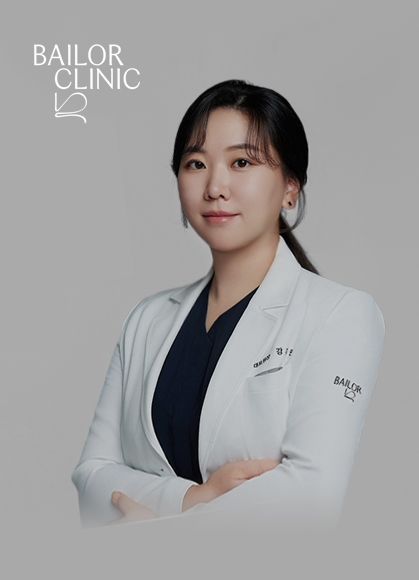
Dr. Jimin Kang
Medical Director · Bailor Clinic, Gangnam
Every treatment plan at Bailor Clinic is designed and performed by a licensed physician. Dr. Kang leads our medical team and reviews treatment protocols so that results look natural, safe and consistent for Korean and international patients alike.
- Doctor-performed only Treatments are carried out by physicians, not delegated to staff.
- Genuine products, strict protocols Premium, authentic formulations and devices used under standardised safety protocols.
- English-speaking support Consultation and aftercare in English via WhatsApp and KakaoTalk.
- Private 1:1 rooms Discreet treatment rooms in Sinsa, near Sinsa and Jamwon stations.
This page is for general information and does not replace a medical consultation. Suitability, number of sessions and results depend on your skin and are confirmed by a doctor at Bailor Clinic.