
How are age spots and freckles treated?
Age spots (sun spots or solar lentigines) and freckles are flat brown marks caused by excess melanin, mainly triggered by UV exposure and genetics. They are usually treated with pigment-targeting lasers such as picosecond or Q-switched toning, which break melanin into tiny particles the body clears naturally. Most patients see clear lightening over one to several sessions, supported by daily sun protection.
- Session time
- 20–45 minutes
- Comfort
- Snapping or warmth; numbing cream if needed
- Downtime
- Redness for hours; small spots may darken and flake for about 1 week
- Typical course
- 1–3 sessions for discrete spots; more for freckles and diffuse pigment
- Results
- Gradual fading over 2–6 weeks
- Maintenance
- Daily SPF and occasional toning
Understanding the marks What is the difference between freckles and age spots?
Both are forms of epidermal pigmentation, but they behave differently. Freckles (ephelides) are small, light-brown dots that are largely genetic, appear in childhood and darken noticeably in summer. Age spots — also called sun spots, solar lentigines or, informally, liver spots — are larger, darker and more persistent. They build up after years of cumulative UV exposure and usually appear on the face, neck, chest and backs of the hands from the thirties onwards.
Because both sit mostly in the upper layer of the skin, they tend to respond well to pigment lasers. This sets them apart from melasma, which is hormonally driven and deeper, and from post-inflammatory hyperpigmentation, which follows acne or irritation. A correct diagnosis matters: some brown marks need a gentler protocol, and any spot that changes in shape, colour or size should be checked by a doctor before cosmetic treatment.
Freckles
Small, scattered and light brown; strongly influenced by genetics and seasonal sun.
Age spots
Flat, well-defined brown patches from long-term UV exposure; they do not fade in winter.
Mixed pigmentation
Many patients have spots alongside melasma or dullness, which changes the treatment plan.
Photoaging
Spots often appear with fine lines and rough texture as part of overall sun damage.
Suitability Who is a good candidate for spot removal?
- Freckles or dark spots across the nose, cheeks and forehead
- Sun-induced age spots that have become darker or more numerous over time
- Visible brown marks on the neck, chest or backs of the hands
- An overall dull or uneven skin tone alongside spots
- Patients with long-term UV exposure or early signs of photoaging
- People who want results with minimal disruption to work or travel
Treatment may be postponed if you have a recent tan, active skin infection, or are pregnant. Your doctor will also review any medicines that increase light sensitivity.
Options at Bailor Which treatments does Bailor Clinic use for age spots?
Our Pigmentation & Brightening Program combines precise laser technology with regenerative care. Your doctor selects devices according to the depth and type of pigment, your skin tone and how sensitive your skin is.
Pigment lasers
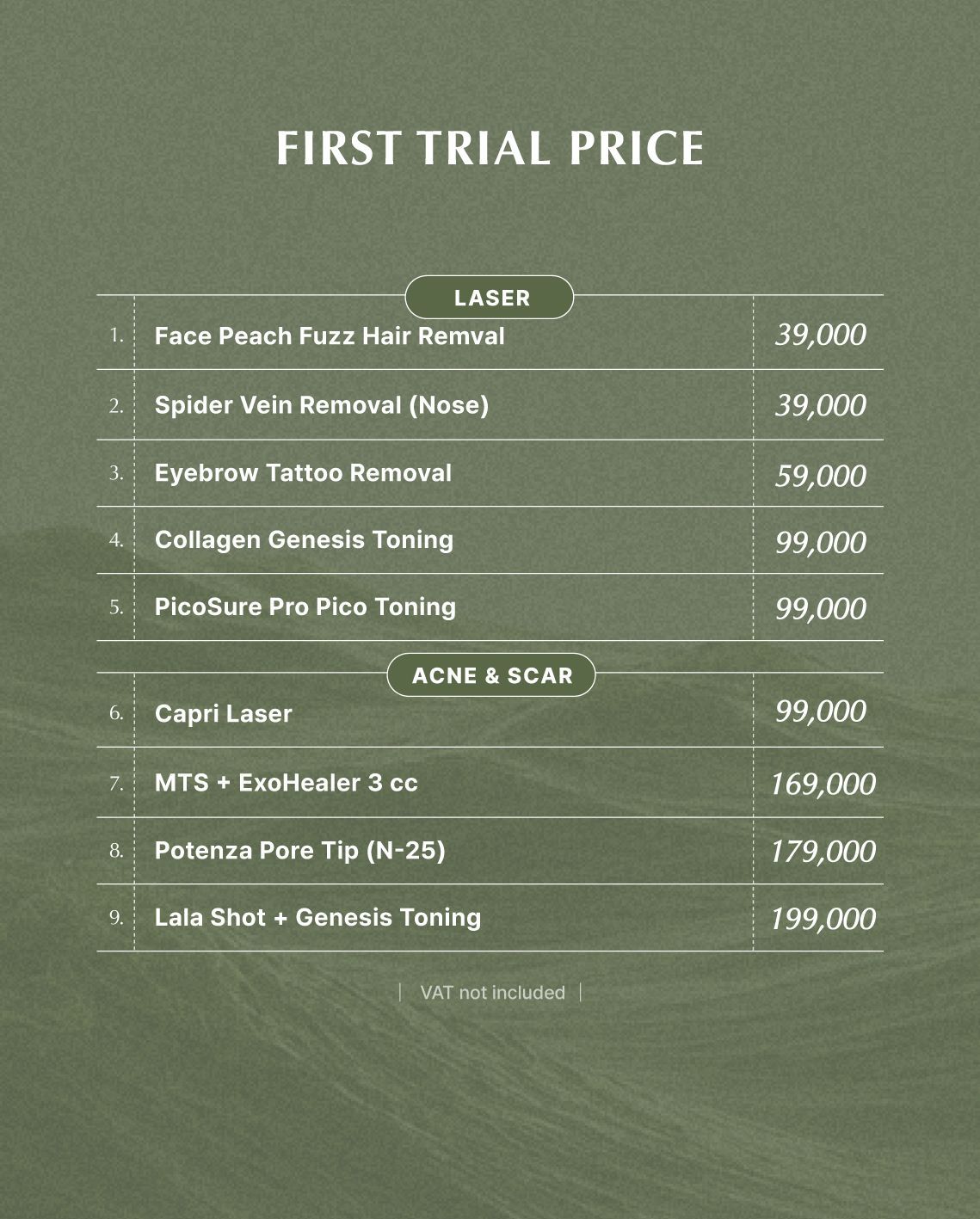
PicoWay, PicoSure, pico toning, Genesis and Excel V target melanin clusters to fade freckles and individual age spots.
Brightening support
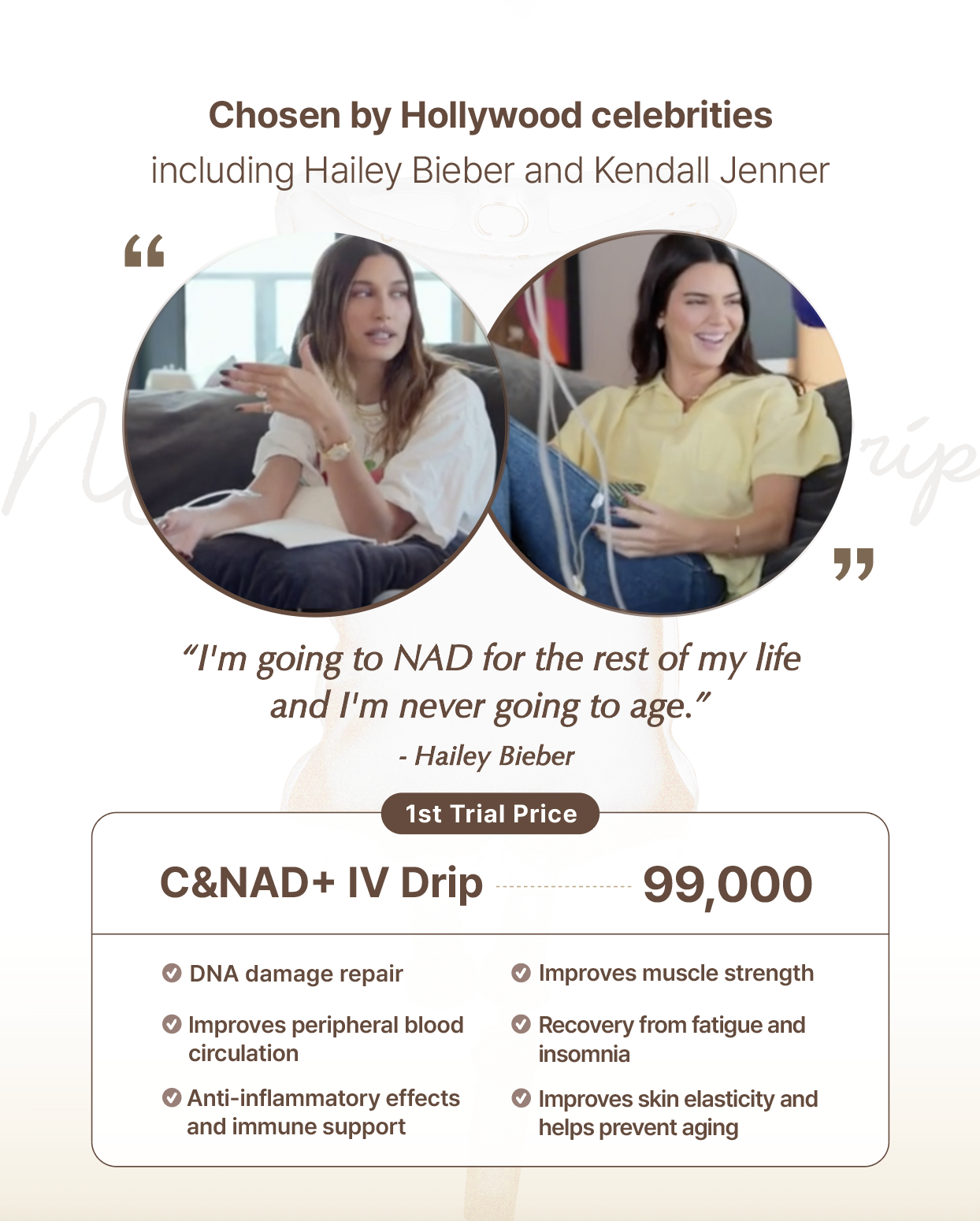
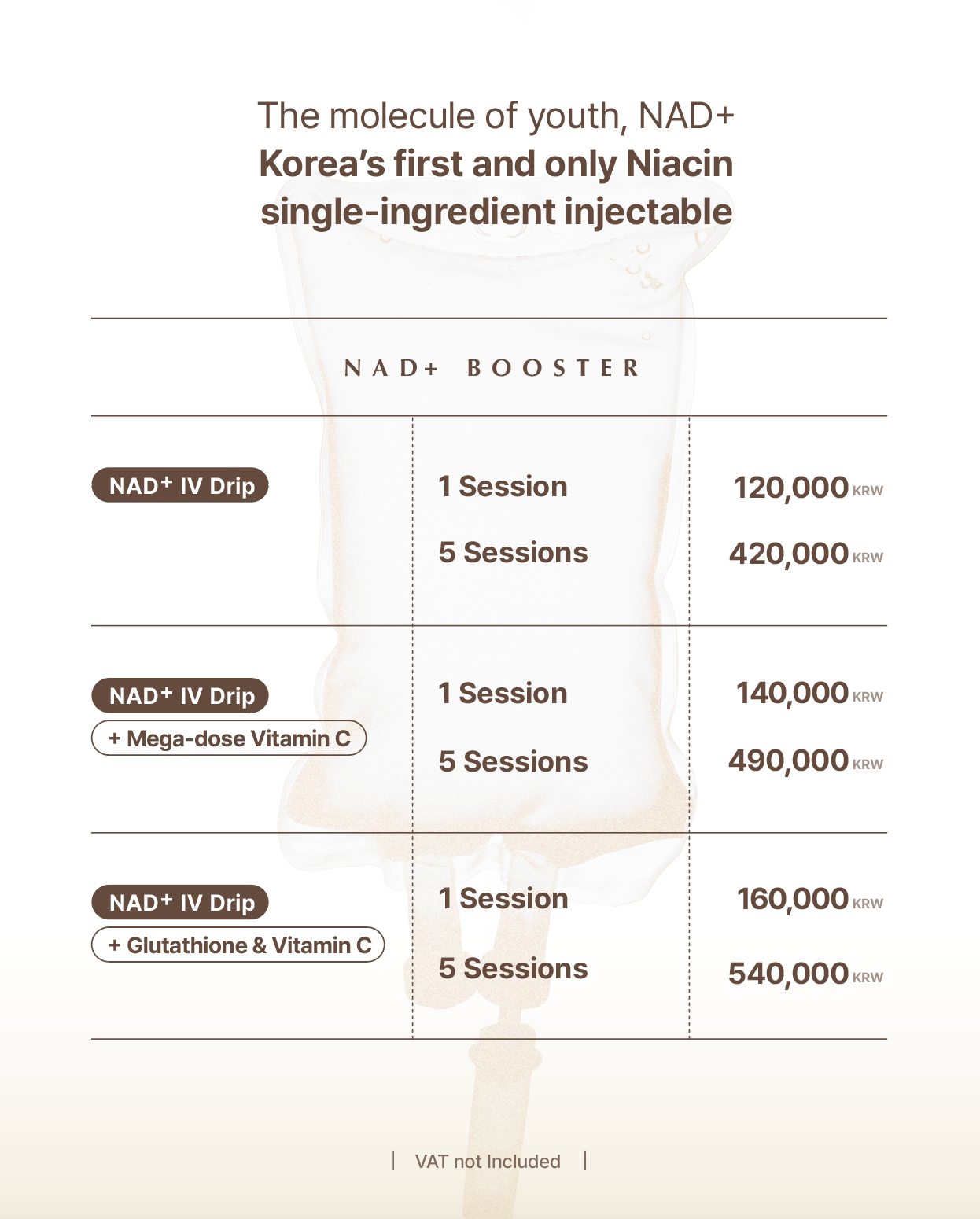
Glutathione, vitamin C and whitening IV drips provide antioxidant support for a clearer overall tone between sessions.
Skin boosters
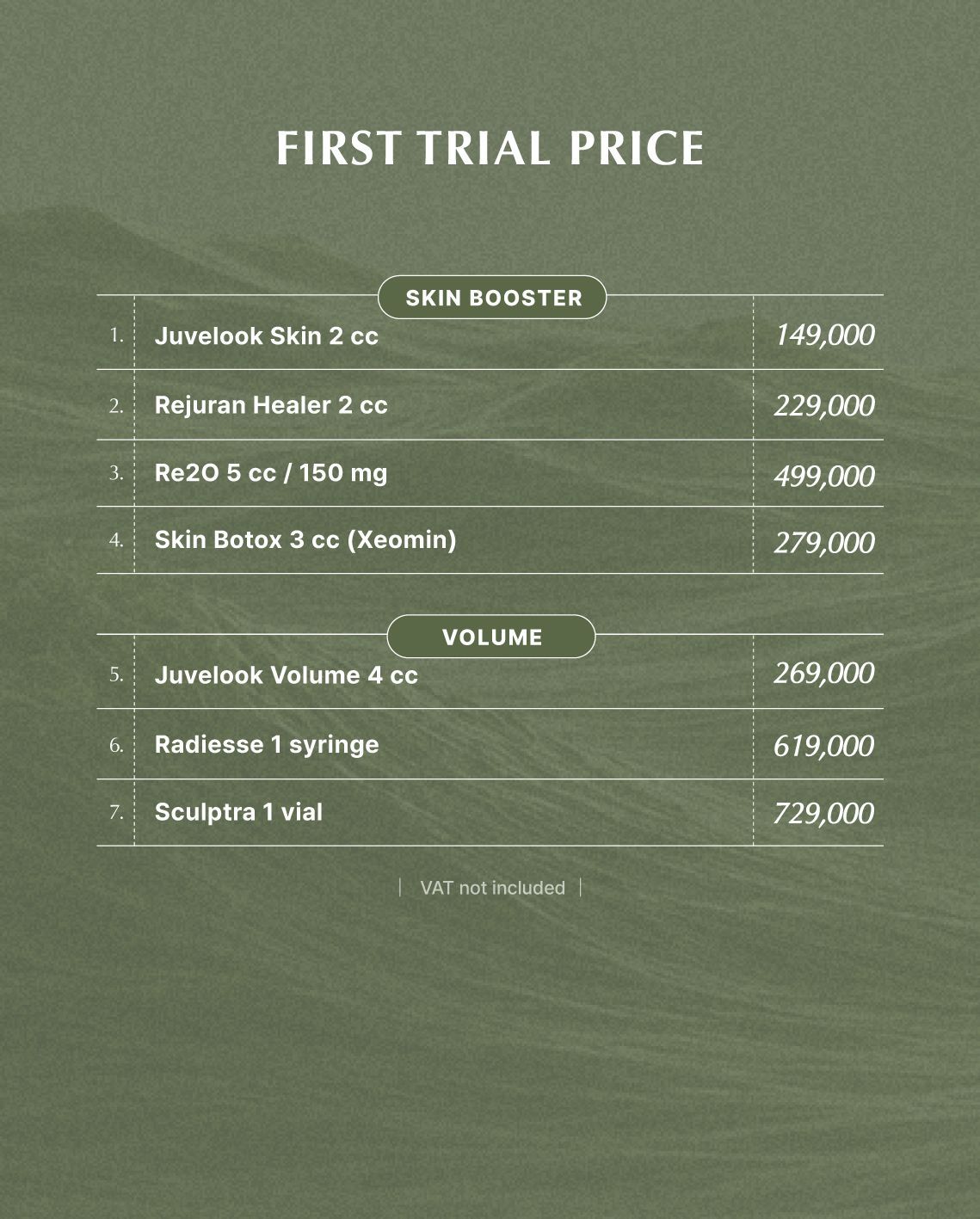
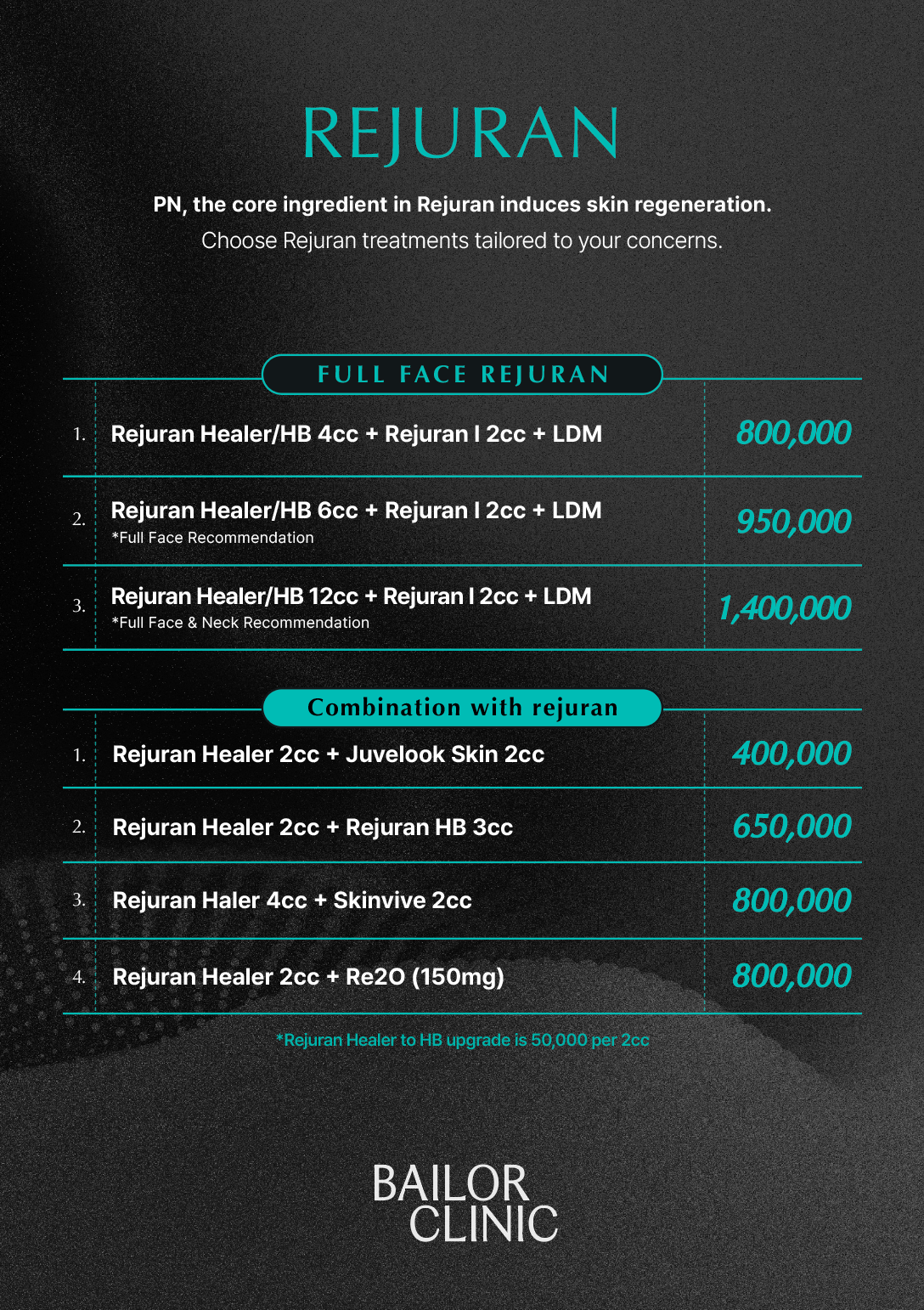
Rejuran Healer, Juvelook, exosomes and NCTF Filorga help repair and brighten skin weakened by sun exposure.
Peels & rejuvenation
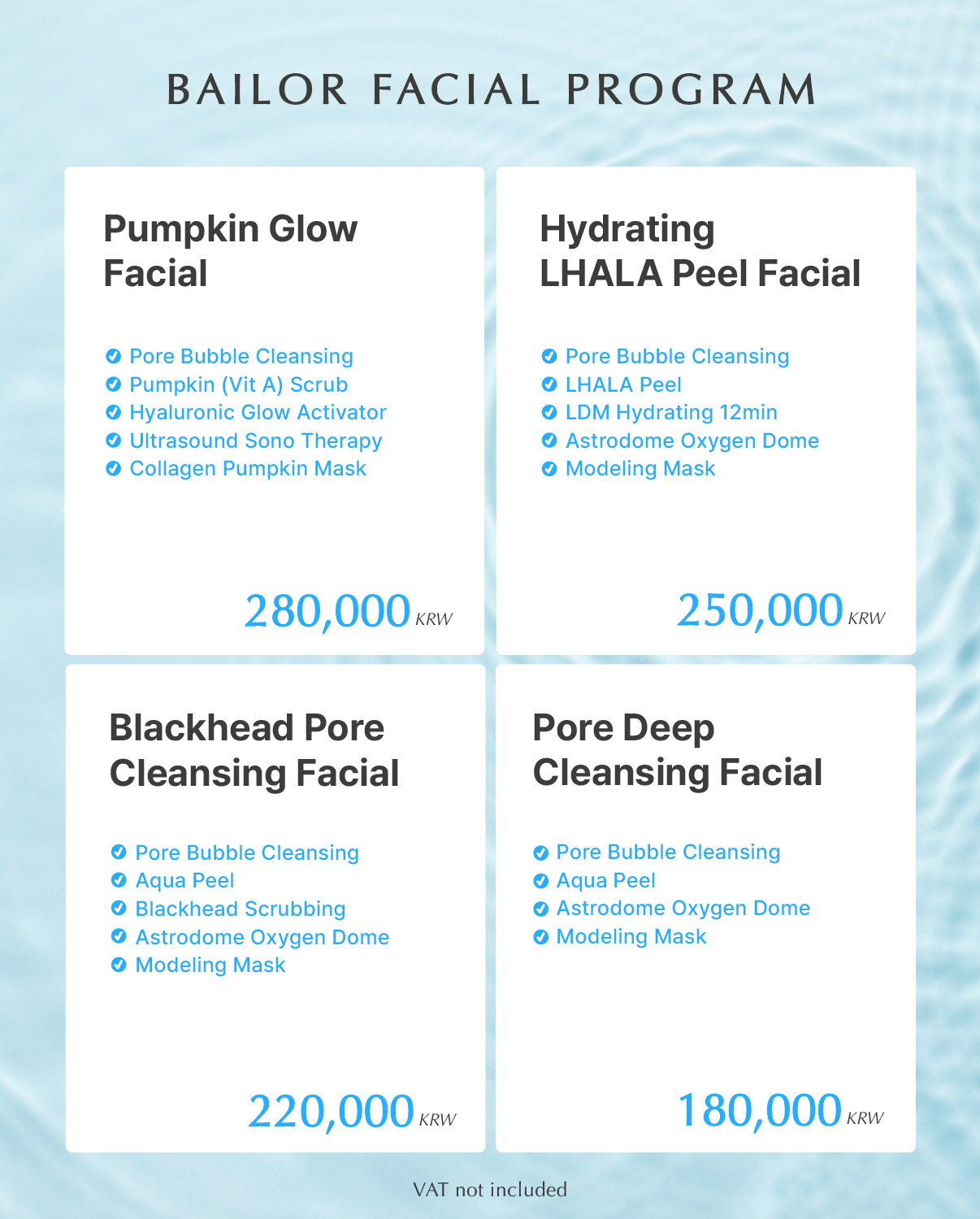
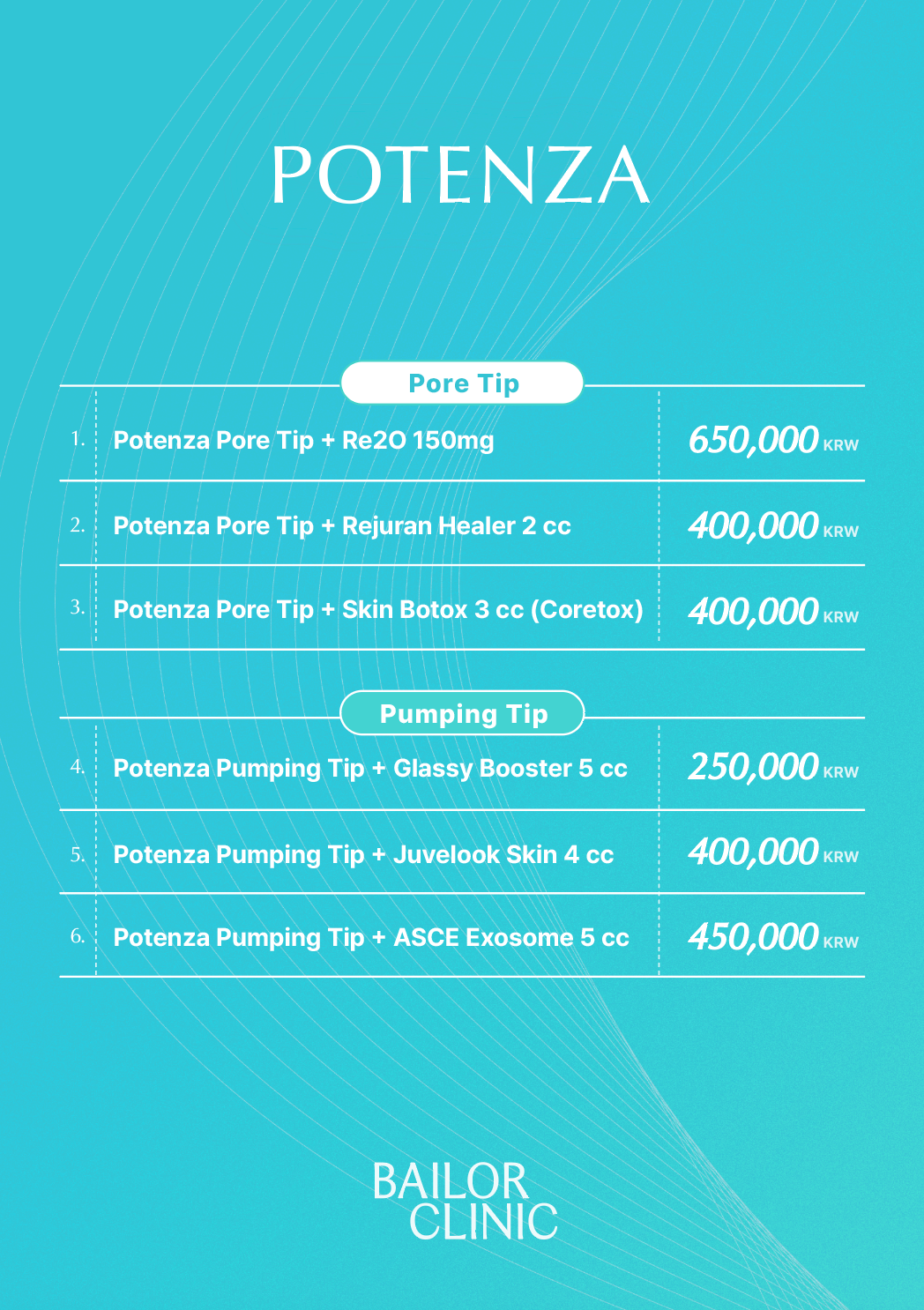
Chemical, LHALALA and Aqua peels speed turnover, while Sylfirm X, Secret RF and Potenza refine tone and texture.
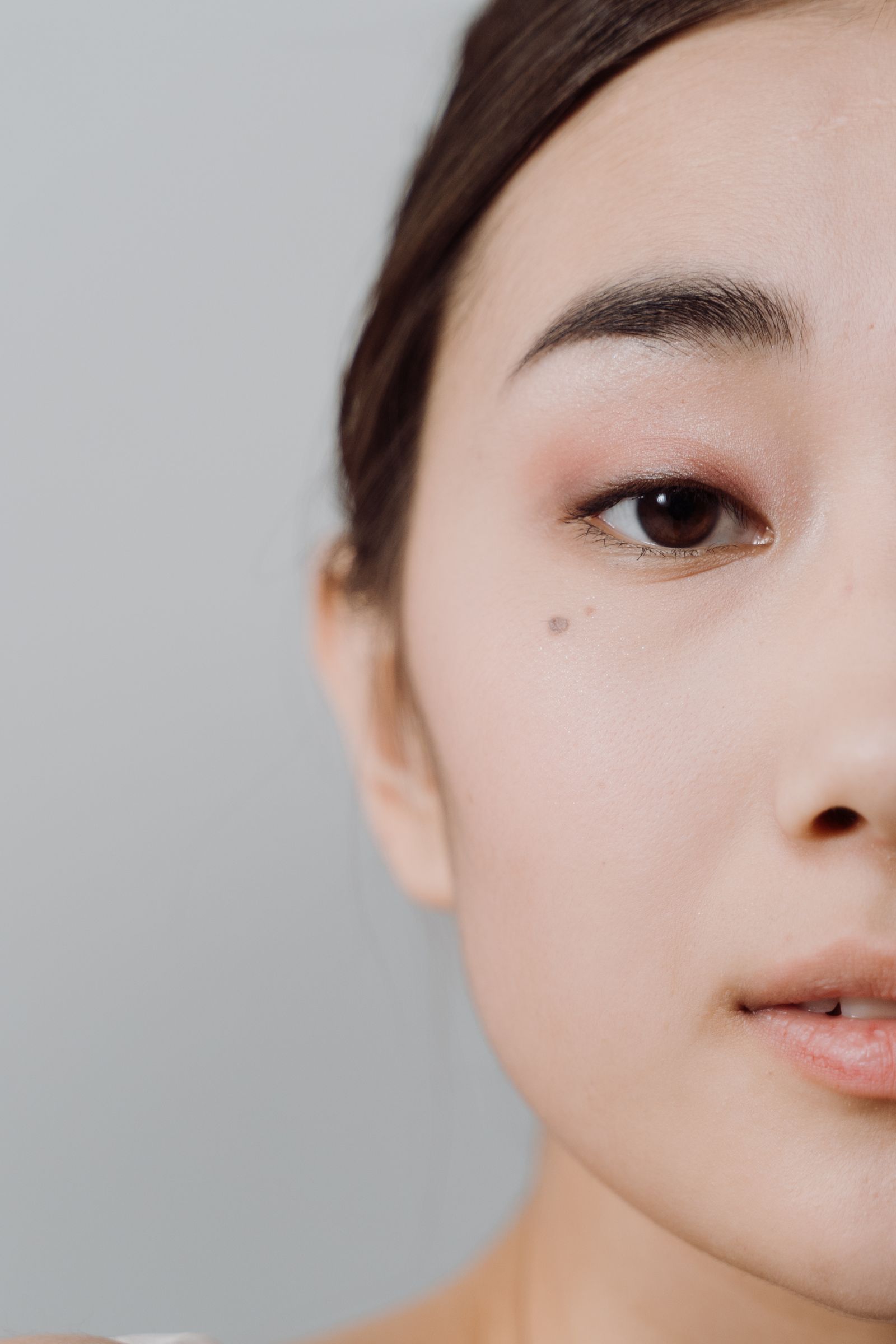 Before
After
Your visit What happens during an age spot laser session?
- Consultation & skin analysis A doctor examines each mark, confirms it is benign pigmentation and assesses depth, skin type and any coexisting melasma.
- Personalised plan We agree whether to spot-treat individual lesions, tone the whole face, or combine both, and how many sessions are realistic.
- Laser treatment Sessions last around 20–45 minutes. Most people feel a light snapping or warmth; numbing cream can be applied first.
- Soothing & protection A calming mask and sunscreen are applied. Treated spots often turn slightly darker, form a fine crust and flake away within about a week.
- Review Lightening continues over the following weeks. Remaining spots can be re-treated at a follow-up visit, usually after 4 weeks.
Aftercare How do I care for my skin after spot removal?
Good aftercare is what keeps spots from returning and lowers the risk of temporary darkening, which can occur in Asian and medium skin tones if treated skin is exposed to sun or friction.
First 7–10 days
- Let any fine crusts fall off naturally; do not pick or scrub
- Use a gentle cleanser and the soothing cream provided
- Avoid saunas, hot baths and intense exercise for a few days
Long term
- Broad-spectrum SPF 50+ every day, reapplied outdoors
- Hats and shade during strong sun, including on holiday
- Occasional toning or brightening laser sessions to maintain clarity
New spots can still form with future sun exposure, so prevention is part of every plan we design.
Answers from our doctors Frequently Asked Questions
Can age spots and freckles be removed completely?
Many discrete age spots fade substantially or clear after one to three laser sessions. Freckles respond well too, but because they are genetic and sun-driven, new ones can appear with UV exposure. Daily sunscreen and occasional maintenance help keep results.
Is the laser painful?
Most patients describe a quick snapping or warm sensation. Numbing cream can be applied beforehand for comfort, and sessions are short, typically 20–45 minutes depending on the area treated.
Will the spots get darker before they fade?
Often, yes. Treated spots may look darker for several days and then form a fine crust that flakes off within about a week. This is a normal part of the process and should be left to fall off naturally.
Is laser spot removal safe for Asian skin?
Yes, when energy settings are adjusted carefully for skin type. Asian skin has a higher tendency to temporary post-laser darkening, so our doctors choose conservative settings, combine toning where needed and stress strict sun protection afterwards.
Can I treat age spots on my hands and neck?
Yes. The same pigment lasers can be used on the hands, neck and chest. These areas may heal a little more slowly than the face, so your doctor will advise on settings and aftercare.
What if my brown spots are actually melasma?
Melasma needs a gentler, longer programme because aggressive treatment can make it worse. Your doctor will distinguish the two at consultation. See our melasma treatment page for more.
Expertise & trust Why patients choose Bailor Clinic
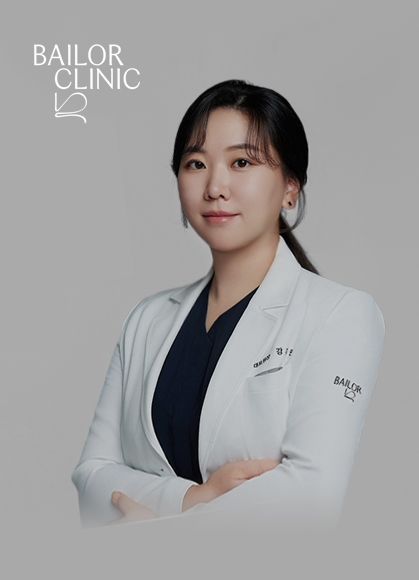
Dr. Jimin Kang
Medical Director · Bailor Clinic, Gangnam
Every treatment plan at Bailor Clinic is designed and performed by a licensed physician. Dr. Kang leads our medical team and reviews treatment protocols so that results look natural, safe and consistent for Korean and international patients alike.
- Doctor-performed only Treatments are carried out by physicians, not delegated to staff.
- Genuine products, strict protocols Premium, authentic formulations and devices used under standardised safety protocols.
- English-speaking support Consultation and aftercare in English via WhatsApp and KakaoTalk.
- Private 1:1 rooms Discreet treatment rooms in Sinsa, near Sinsa and Jamwon stations.
This page is for general information and does not replace a medical consultation. Suitability, number of sessions and results depend on your skin and are confirmed by a doctor at Bailor Clinic.