
What is PicoSure laser and what does it treat?
PicoSure (and PicoSure Pro) is a 755 nm alexandrite picosecond laser that delivers extremely short pulses to shatter pigment into fine particles the body clears naturally. With its fractional Focus lens it also creates controlled micro-injuries that stimulate collagen. It is used for sun spots, melasma-related discolouration, post-acne marks, acne scar texture, pores and selected tattoo colours, usually over 3–5 sessions.
- Session time
- About 15–30 minutes (full face)
- Comfort
- Quick warm snaps; cooling or numbing available
- Downtime
- Mild pinkness; spots may darken briefly
- Typical course
- 3–5 sessions, 3–6 weeks apart
- Results
- Spot lightening in 1–2 weeks; texture in 3–6 weeks
- Maintenance
- Periodic refreshers for sun-exposed or melasma-prone skin
Indications What can PicoSure help with?
- Sun spots and age spots(lentigines)
- Melasma-related discolouration, using a protocol-specific gentle approach
- Post-acne marks and red-tinged discolouration, programmed with toning
- Acne scar texture, using the fractional Focus lens mode
- Overall tone and the appearance of pores
- Tattoo lightening for selected colours (multi-colour tattoos need consultation)
Deep dermal pigment or redness driven mainly by blood vessels may be better treated with, or paired with, other devices such as Genesis toning.
The technology How does a picosecond laser work?
Photoacoustic action
Pulses measured in trillionths of a second create a pressure effect that shatters pigment into tiny particles for the body to clear, with less heat than older nanosecond lasers.
Fractional Focus lens
Concentrates energy into micro-spots that create controlled micro-injuries, stimulating collagen and elastin to improve texture, pores and scars.
Epidermis-friendly
The pulse structure helps protect the surface layer, supporting fast recovery and a soft glow.
Doctor-mapped settings
Fluence, spot size, pass count and mode are set by your doctor for your skin type and goals.
 Before
After
Your visit What happens during a PicoSure session?
- Consultation & test spot We evaluate pigment depth, skin tone, sensitivity and recent sun exposure, and may perform a test spot to define a safe plan.
- Laser session With protective eyewear on, you feel quick, warm snaps as measured passes are made. Full-face treatment takes about 15–30 minutes.
- Soothing finish A calming product is applied. Cooling or numbing is available for fractional work.
- Back to routine Most patients return to normal activities immediately. Mild pinkness or peppery darkening of spots may appear briefly before shedding.
Results & candidates What results can I expect, and am I a good candidate?
Timeline
- 1–2 weeks: spots lighten and tone looks clearer
- 3–6 weeks: texture and pore refinement with the Focus lens
- Series of 3–5 sessions, 3–6 weeks apart, for pigment
- Refreshers for melasma-prone or sun-exposed lifestyles
Good candidates
- Sun damage, mottled tone or stubborn pigment
- Acne scars and pore or texture concerns
- Busy schedules needing little downtime
- A wide range of skin tones, with adjusted parameters
A recent tan increases risk, so treatment timing is planned accordingly. PicoSure is avoided during pregnancy, with active infection, or immediately after strong peels or retinoids.
Aftercare & combinations Aftercare and combination programmes
For the first 3–7 days follow a simple routine: gentle cleanse, moisturiser, then SPF 50+. Do not pick at micro-crusts on treated spots, avoid hot yoga, saunas and harsh exfoliants until the skin settles, and keep strict sun protection with a hat and sunscreen.
- PicoSure with Genesis toning: pigment and texture clarity plus calmer redness
- PicoSure with Aqua Peel: deeper decongestion and a brighter finish
- PicoSure Focus with skin boosters or exosomes: scar and pore polish plus hydration
- PicoSure with HIFU (timed): surface clarity plus structural lift
Treated areas include the full face, cheeks and nose, forehead, upper lip, neck and chest, hands and other high-exposure areas.
Answers from our doctors Frequently Asked Questions
Does PicoSure hurt?
Most patients describe quick, warm snapping sensations. Cooling is used throughout, and numbing cream is available for fractional Focus treatments, so the session is generally well tolerated.
How many PicoSure sessions do I need?
For pigment, a series of 3–5 sessions spaced 3–6 weeks apart is typical. Scar and texture programmes may need a similar number. Your doctor will suggest a plan after assessing your skin.
Is there downtime?
Downtime is minimal. Mild pinkness and temporary darkening or fine crusting over spots can appear and usually shed within days. Most patients return to work immediately.
Is PicoSure safe for melasma?
It can be used with a gentle, protocol-specific approach, often combined with toning and strict sun protection. Aggressive settings are avoided. Read more about melasma treatment.
What is the difference between PicoSure and pico toning?
PicoSure refers to the device and its modes. Pico toning describes a low-energy, whole-face technique for tone and pigment, which can be performed with picosecond lasers as part of a programme.
Can PicoSure remove tattoos?
PicoSure can lighten selected tattoo colours. Multi-colour tattoos may need additional wavelengths or devices, so a consultation is needed to set expectations. See also laser tattoo removal.
Expertise & trust Why patients choose Bailor Clinic
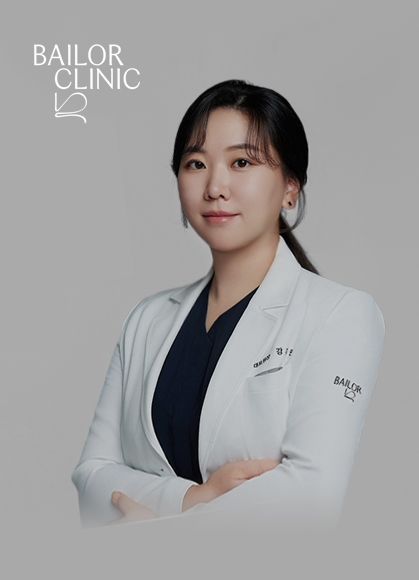
Dr. Jimin Kang
Medical Director · Bailor Clinic, Gangnam
Every treatment plan at Bailor Clinic is designed and performed by a licensed physician. Dr. Kang leads our medical team and reviews treatment protocols so that results look natural, safe and consistent for Korean and international patients alike.
- Doctor-performed only Treatments are carried out by physicians, not delegated to staff.
- Genuine products, strict protocols Premium, authentic formulations and devices used under standardised safety protocols.
- English-speaking support Consultation and aftercare in English via WhatsApp and KakaoTalk.
- Private 1:1 rooms Discreet treatment rooms in Sinsa, near Sinsa and Jamwon stations.
This page is for general information and does not replace a medical consultation. Suitability, number of sessions and results depend on your skin and are confirmed by a doctor at Bailor Clinic.