
What is crepey skin and how is it treated?
Crepey skin is thin, loose skin covered in fine, crinkled lines that look like tissue or crêpe paper, most often around the eyes, neck, cheeks and arms. It results from collagen and elastin loss, dehydration and sun damage. Treatment focuses on rebuilding dermal thickness and elasticity with RF or ultrasound lifting, RF microneedling and regenerative skin boosters, delivered as a gradual, doctor-planned course.
- Session time
- 30–90 minutes, depending on area
- Comfort
- Numbing cream or cooling as needed
- Downtime
- Mild redness or tightness for 1–2 days
- Typical course
- Combination plan over 2–4 months
- Results
- Firmer, smoother texture over several weeks
- Maintenance
- Booster or lifting top-ups every 6–12 months
Understanding crepey skin Why does skin become thin and crepey?
Unlike a single expression line, crepey skin is a change in the whole quality of the skin. The dermis becomes thinner, the elastic fibres weaken and the surface loses the moisture that normally keeps it plump. The result is a fine, crinkled texture that often looks worse when the skin is pinched or moves, and that is closely related to loss of collagen and loss of elasticity.
Collagen decline
From the mid-twenties collagen production slows each year, so the dermis gradually loses density and support.
Sun damage
Cumulative UV exposure breaks down elastin, a process known as photoageing, especially on the neck and chest.
Dehydration
A weakened barrier loses water easily, which exaggerates fine creasing on already thin skin.
Weight change & lifestyle
Rapid weight loss, smoking and poor sleep can all accelerate thinning and laxity.
Suitability Who is crepey skin treatment suitable for?
This programme is designed for adults who notice their skin looking thinner or more fragile, even if deeper wrinkles are not yet a concern. It is often combined with care for dehydrated skin because the two problems reinforce each other.
- Thin, fragile or slightly sagging skin around the eyes, neck or face
- Fine, papery lines caused by ageing or sun exposure
- Reduced firmness and spring when the skin is gently pinched
- Dry, dull texture that make-up tends to settle into
- Early skin thinning or laxity that you want to address before it progresses
Options at Bailor How we treat crepey skin at Bailor Clinic
Our Crepey Skin Rejuvenation Program layers several mechanisms: deep heating to tighten and stimulate collagen, controlled micro-injury to remodel the dermis, and regenerative ingredients to restore hydration and resilience. Your doctor selects only what your skin needs.
RF & ultrasound lifting
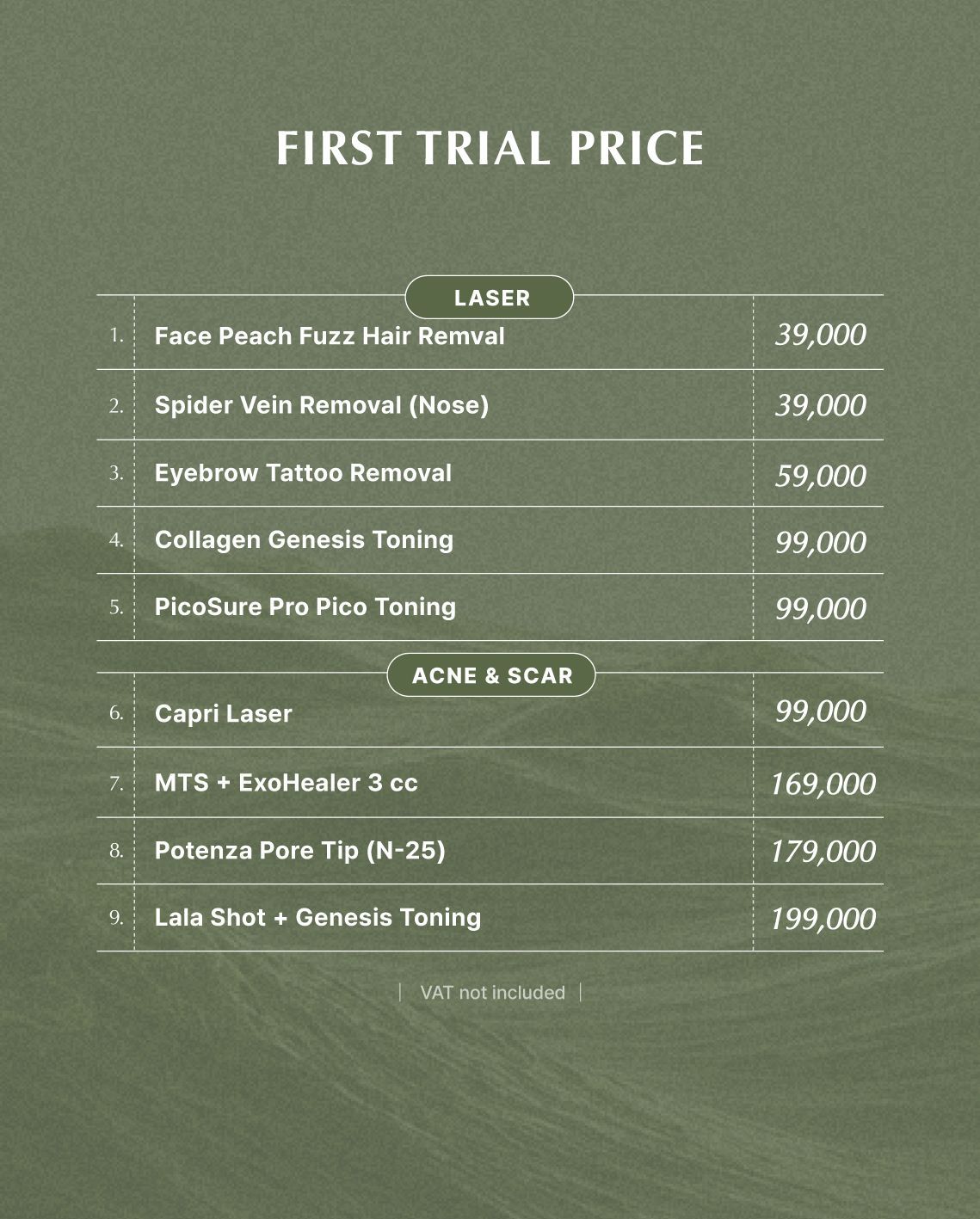
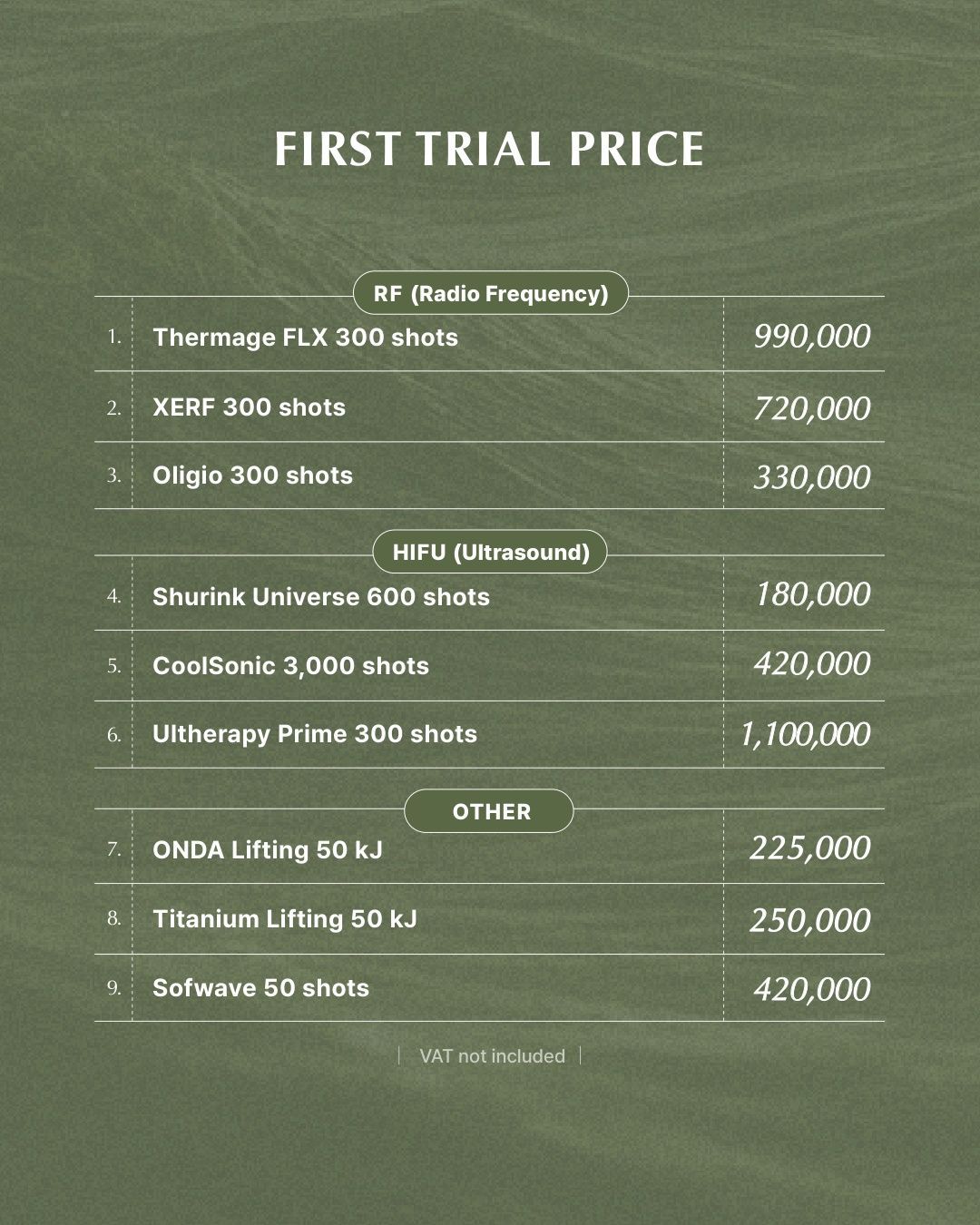
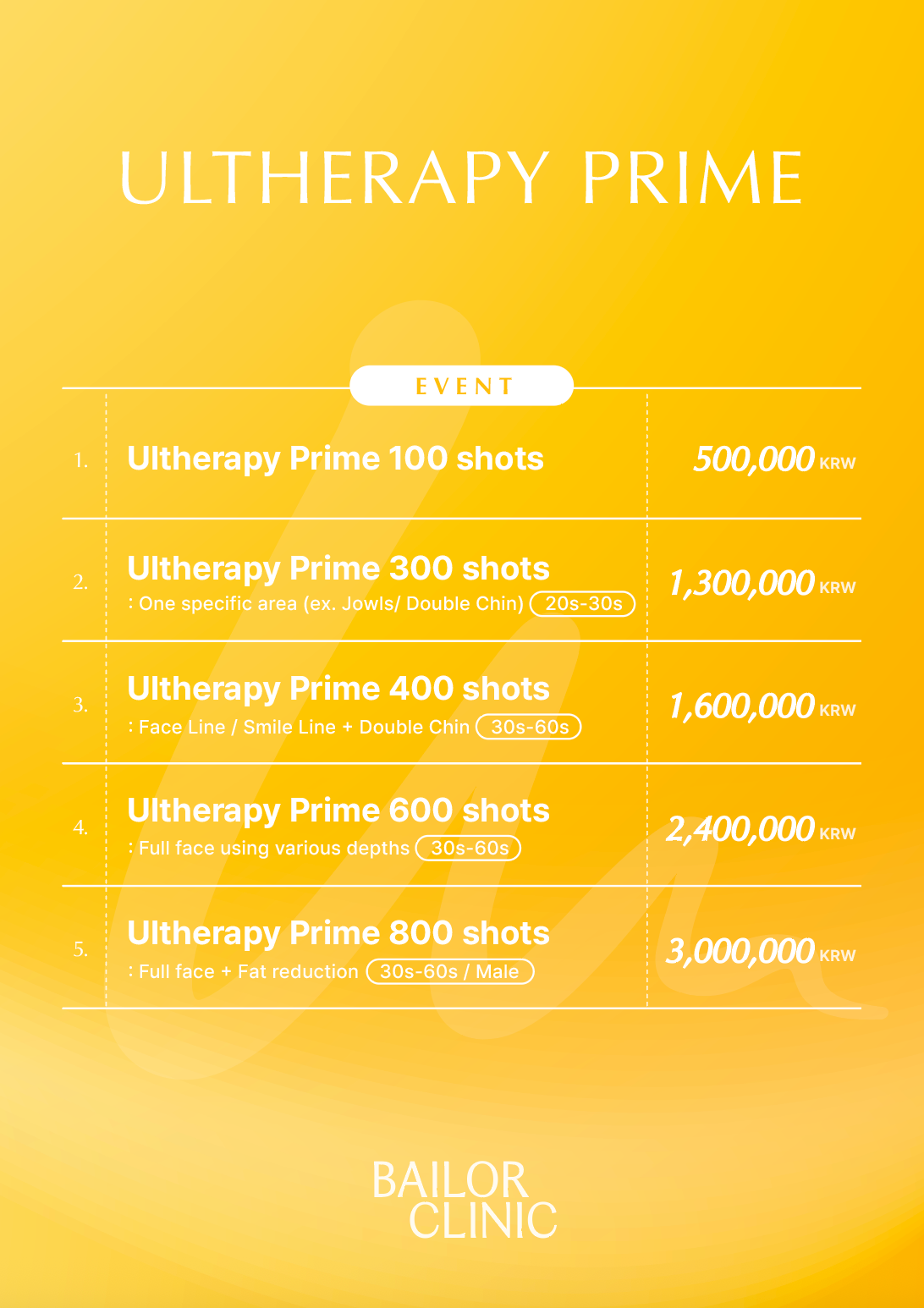
Thermage FLX, Ultherapy or Oligio heat deeper layers to encourage new collagen and elastin.
RF microneedling
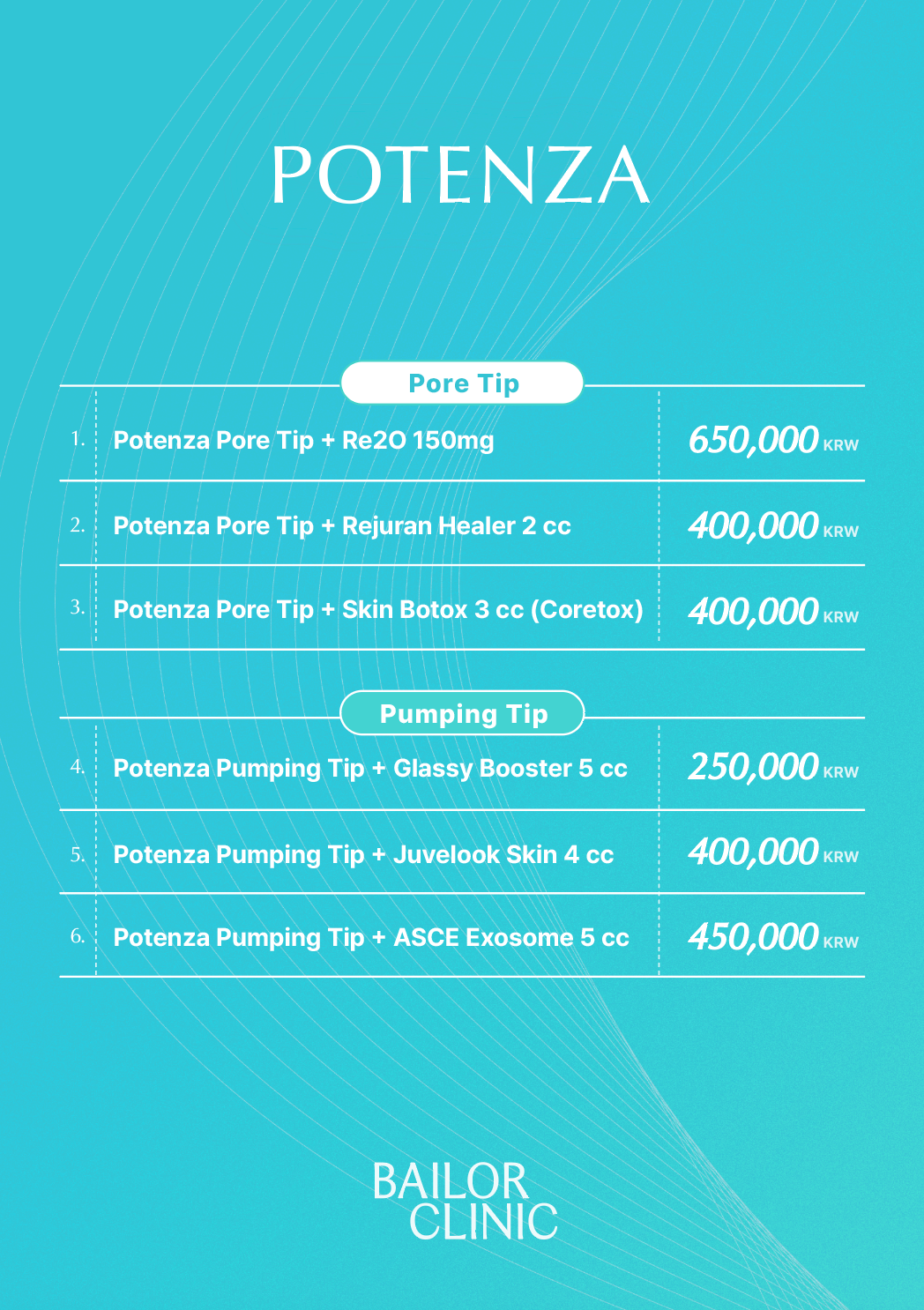
Secret RF or Potenza firm thin skin and smooth fine creases through controlled thermal remodelling.
Regenerative boosters
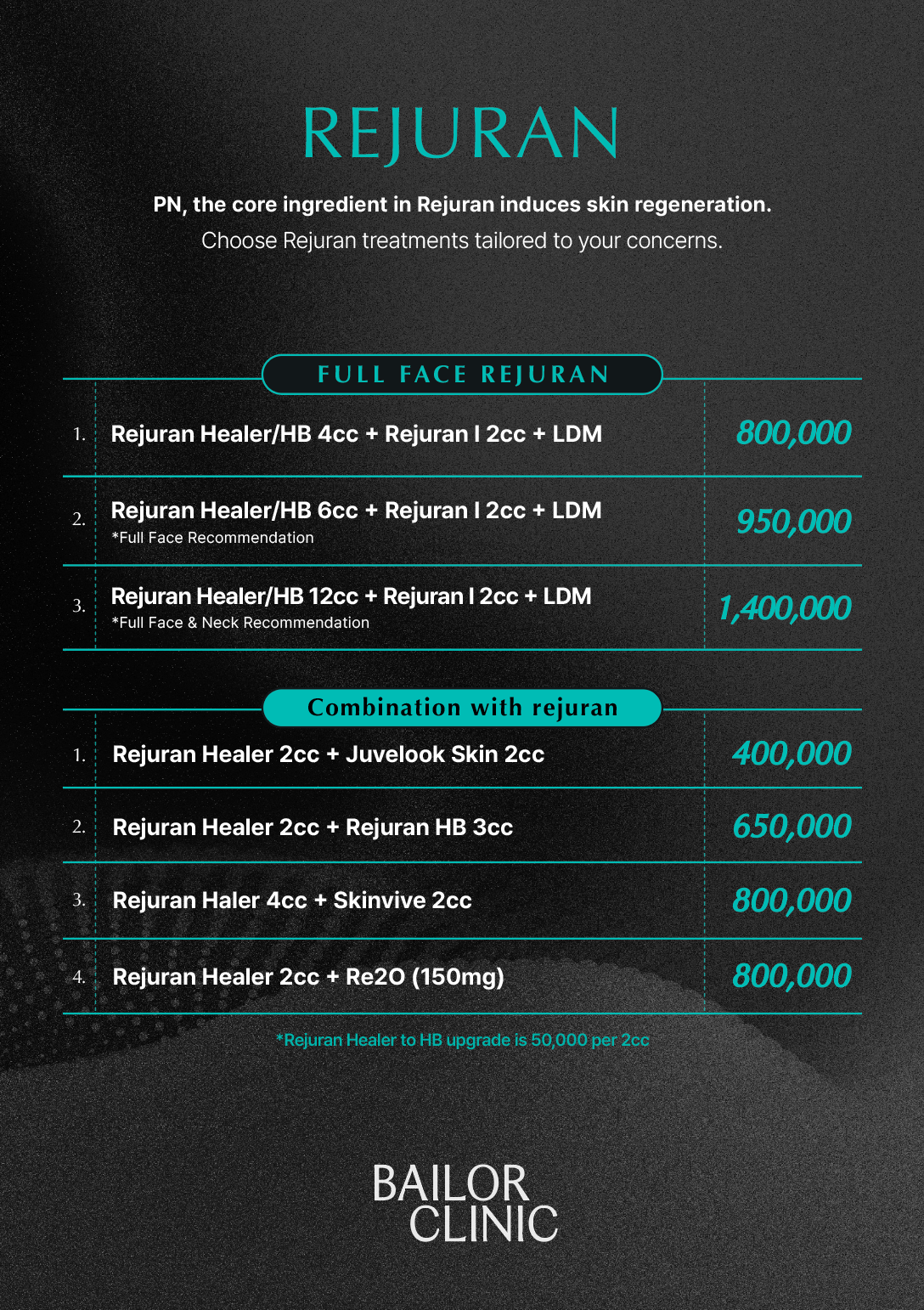
Rejuran Healer, exosomes, PN therapy and Juvelook Volume help repair damaged dermal tissue and improve elasticity.
Laser & hydration support
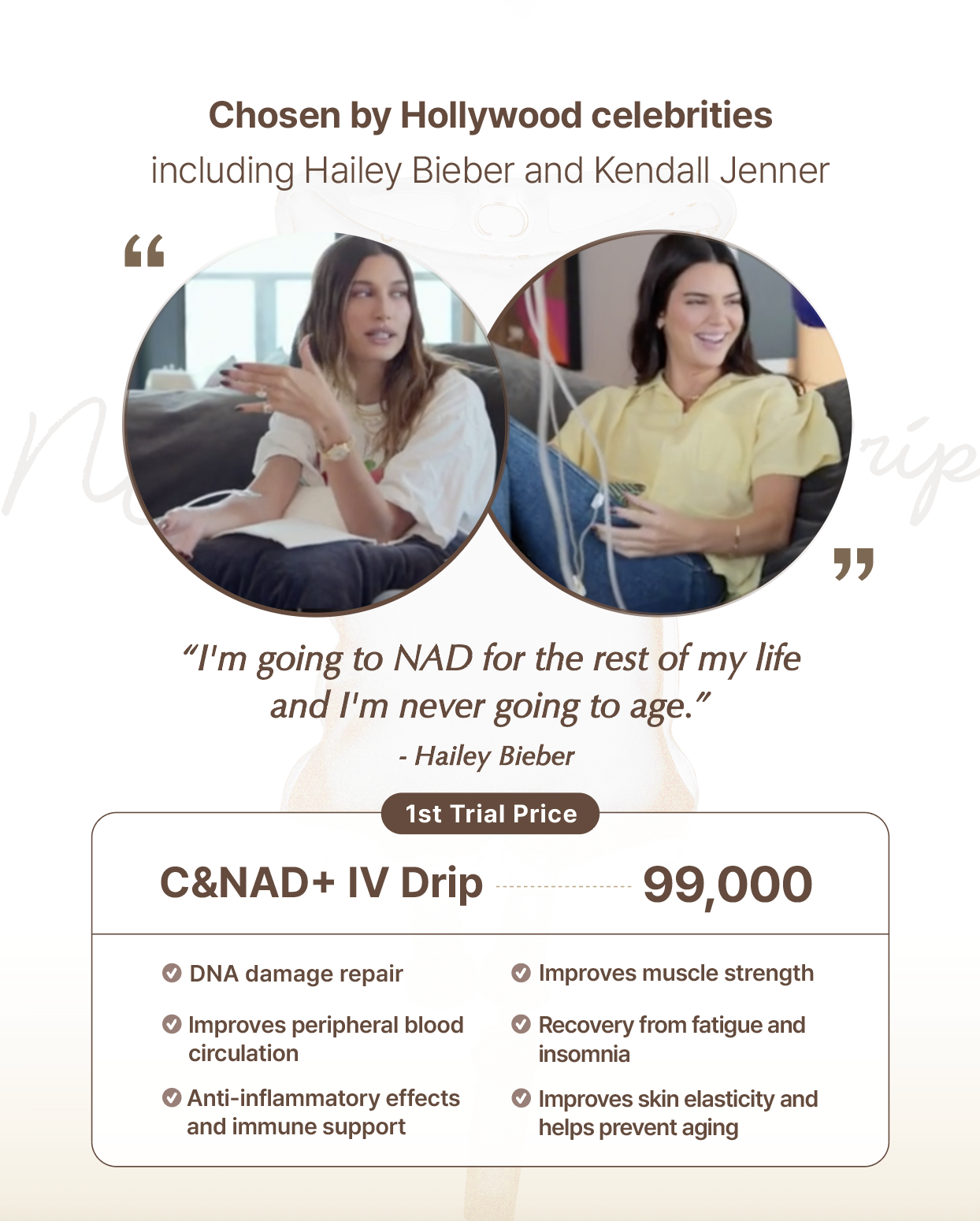
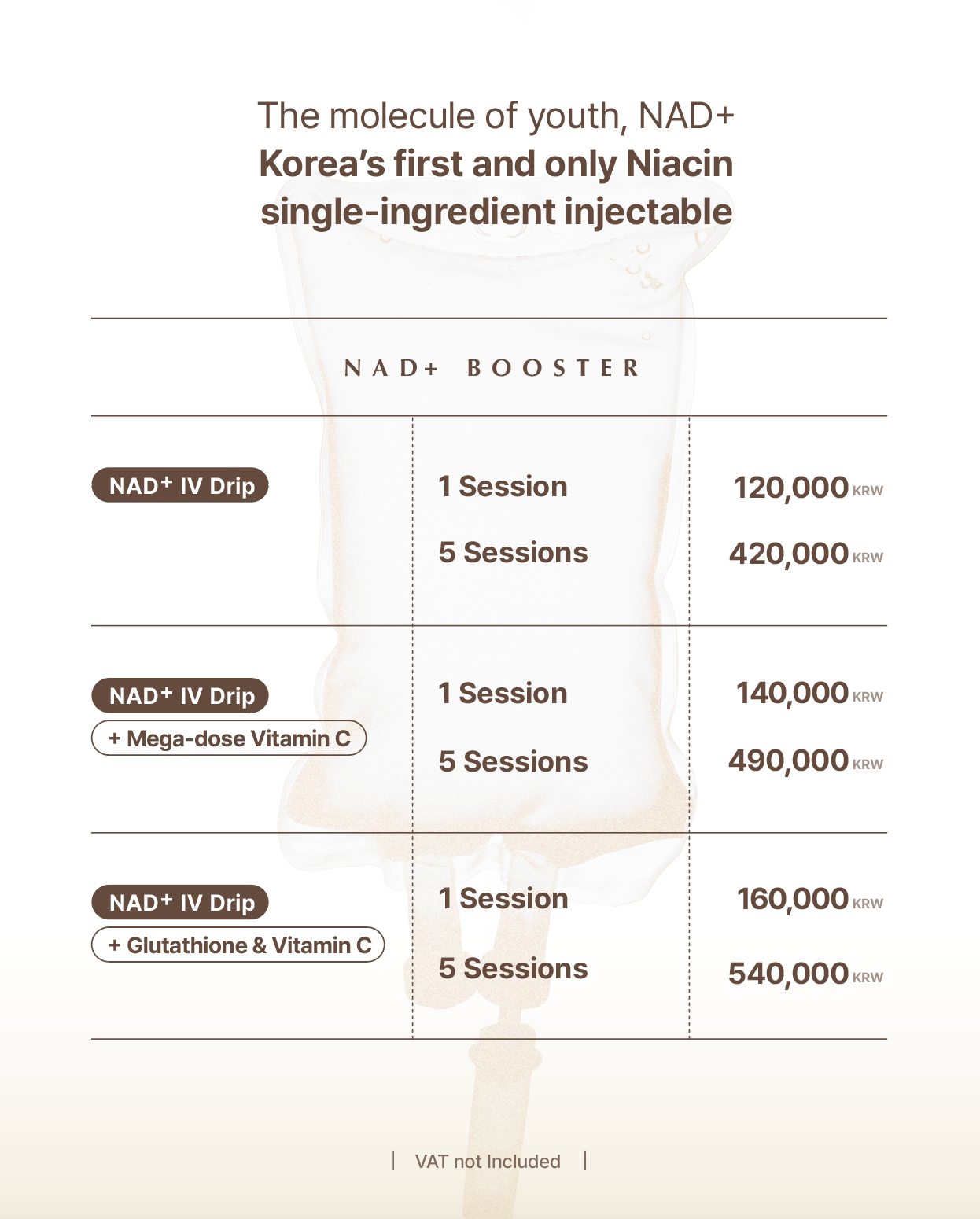
PicoWay, Genesis or Sylfirm X refine texture and tone, while Filorga, NCTF, LILIED, Cytocare or vitamin drips replenish moisture.
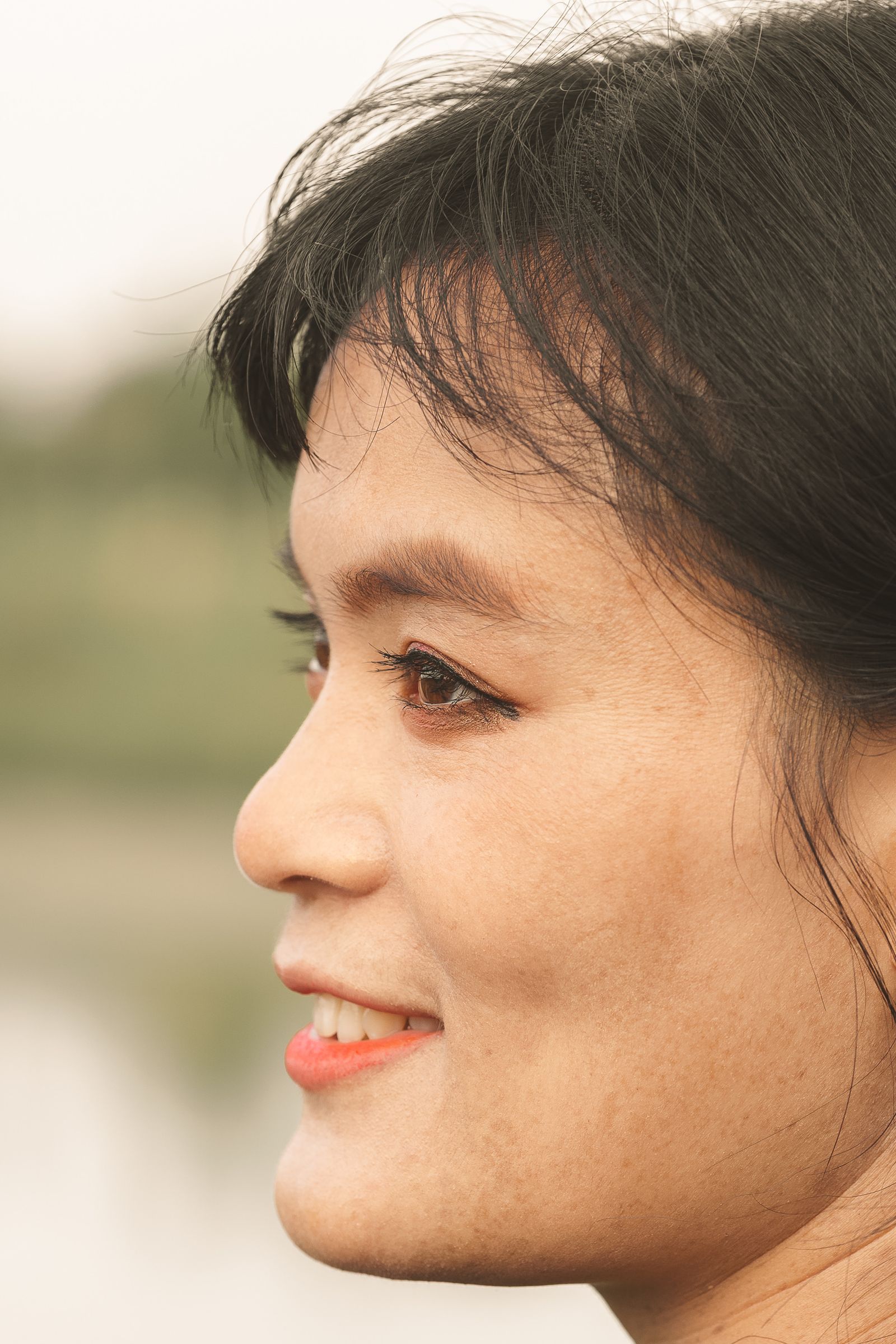 Before
After
Your visit What happens during a crepey skin treatment?
- Consultation & elasticity assessment A doctor examines skin thickness, laxity and hydration and asks about sun exposure, weight changes and previous treatments.
- Personalised combination plan We decide which lifting, collagen and hydration treatments suit the area and your degree of thinning, and how they should be spaced.
- Gentle treatment session Sessions take 30–90 minutes. Settings are adjusted for thin or sensitive skin, with numbing cream or cooling where appropriate.
- Recovery & follow-up Mild redness or tightness usually settles within 1–2 days. Firmness and smoothness build gradually over the following weeks as new collagen forms.
Protecting results Aftercare and keeping skin resilient
Because collagen remodelling continues for months, how you care for your skin after treatment makes a real difference. Thin skin is also more vulnerable to sun damage, so protection is essential.
First few days
- Avoid hot baths, saunas and intense exercise
- Skip scrubs, retinoids and exfoliating acids temporarily
- Use a gentle cleanser and a rich, soothing moisturiser
Long term
- Daily broad-spectrum SPF 50+, including on the neck
- Consistent hydration and barrier-supporting skincare
- Booster or lifting top-ups as advised by your doctor
Answers from our doctors Frequently Asked Questions
Is crepey skin the same as wrinkles?
Not exactly. Wrinkles are individual folds or lines, while crepey skin describes a thin, crinkled texture across a whole area. It reflects a loss of dermal thickness and elasticity, so treatment focuses on rebuilding collagen and hydration rather than relaxing muscles. See also fine lines and wrinkles.
How many sessions will I need?
It depends on the area and how thin the skin is. Many patients have one energy-based lifting session combined with two to four booster or microneedling sessions spaced several weeks apart. Your doctor will outline a realistic plan at consultation.
Can crepey skin around the eyes be treated safely?
Yes, with appropriate devices and conservative settings. The eye area has very thin skin, so we use tips and boosters suited to delicate zones and adjust energy carefully. A doctor assesses the area before recommending any treatment.
When will I see results?
Hydration boosters can make skin look smoother within days to weeks. Collagen-building treatments work more gradually, with firmness usually improving over two to three months as the dermis remodels.
Is there downtime?
Most patients have only mild redness or a feeling of tightness for one to two days. RF microneedling may cause slight pinpoint marks that fade quickly. You can usually return to work the next day.
Can crepey skin come back?
Natural ageing continues, so some change over time is expected. Daily sun protection, good hydration and occasional maintenance treatments help most patients keep their skin firmer and smoother for longer.
Expertise & trust Why patients choose Bailor Clinic
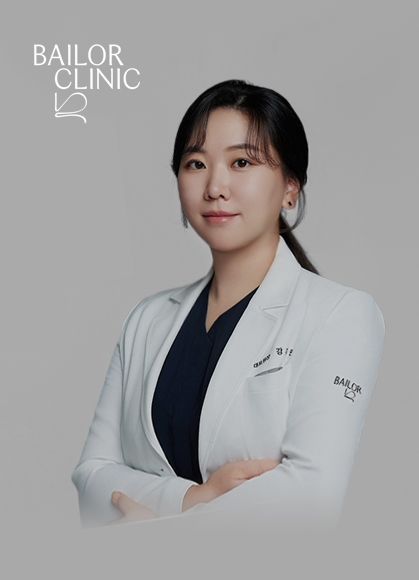
Dr. Jimin Kang
Medical Director · Bailor Clinic, Gangnam
Every treatment plan at Bailor Clinic is designed and performed by a licensed physician. Dr. Kang leads our medical team and reviews treatment protocols so that results look natural, safe and consistent for Korean and international patients alike.
- Doctor-performed only Treatments are carried out by physicians, not delegated to staff.
- Genuine products, strict protocols Premium, authentic formulations and devices used under standardised safety protocols.
- English-speaking support Consultation and aftercare in English via WhatsApp and KakaoTalk.
- Private 1:1 rooms Discreet treatment rooms in Sinsa, near Sinsa and Jamwon stations.
This page is for general information and does not replace a medical consultation. Suitability, number of sessions and results depend on your skin and are confirmed by a doctor at Bailor Clinic.