
What is laser resurfacing?
Laser resurfacing is a medical treatment that uses controlled laser energy to renew the outer layers of skin and stimulate collagen underneath. Fractional lasers create tiny treatment columns surrounded by untouched skin, so healing is faster than with older full-surface methods. It is used to improve acne scars, rough texture, fine lines, enlarged pores and sun damage, usually over a series of sessions.
- Session time
- 30–60 minutes
- Comfort
- Numbing cream; warm, prickly feeling
- Downtime
- None to 2–7 days, by setting
- Typical course
- 3–6 sessions, weeks apart
- Results
- Texture at 1–2 weeks; collagen 4–12 weeks
- Aftercare
- SPF 50 and barrier care
How it works How does laser resurfacing renew the skin?
Laser resurfacing relies on the skin's own repair response. By creating precise, controlled micro-injuries, the laser prompts the skin to shed damaged surface cells and build fresh collagen and elastin in the dermis. Results build gradually as this remodelling continues for several weeks after each session.
Surface renewal
Old, uneven cells are replaced, so skin feels smoother and reflects light more evenly within 1–2 weeks.
Collagen remodelling
Deeper heat stimulates new collagen that gradually lifts shallow scars and softens fine lines.
Fractional pattern
Untreated skin between the micro-channels speeds healing and lowers the risk compared with full-surface resurfacing.
Adjustable depth
Settings range from gentle polishing to deeper remodelling, letting your doctor balance results against downtime.
Suitability Who is a good candidate for laser resurfacing?
- Uneven texture or mild to deep acne scars
- Rough skin, fine lines or crepey areas
- Enlarged pores and overall dullness
- Sun damage and some pigmentation irregularities, assessed case by case
- Early signs of ageing and a wish for gradual, natural refinement
Resurfacing is not suitable with active skin infection, a recent sunburn or certain medical conditions. Your doctor reviews eligibility before any session.
Options at Bailor Which resurfacing options does Bailor Clinic offer?
Every programme is customised after a full skin assessment, considering your skin tone, sensitivity and how much downtime fits your plans.
Fractional laser resurfacing
Controlled micro-channels improve texture, tone and scarring. Related: Fraxel laser.
Soft-polish laser and toning
Gentle passes for radiance, clarity and a refined surface with little to no downtime.
Hybrid layering programmes
Laser combined with collagen stimulation such as RF microneedling for gradual rejuvenation.
Repair add-ons
Barrier-support serums, soothing care or hydration skin boosters to support healing when appropriate.
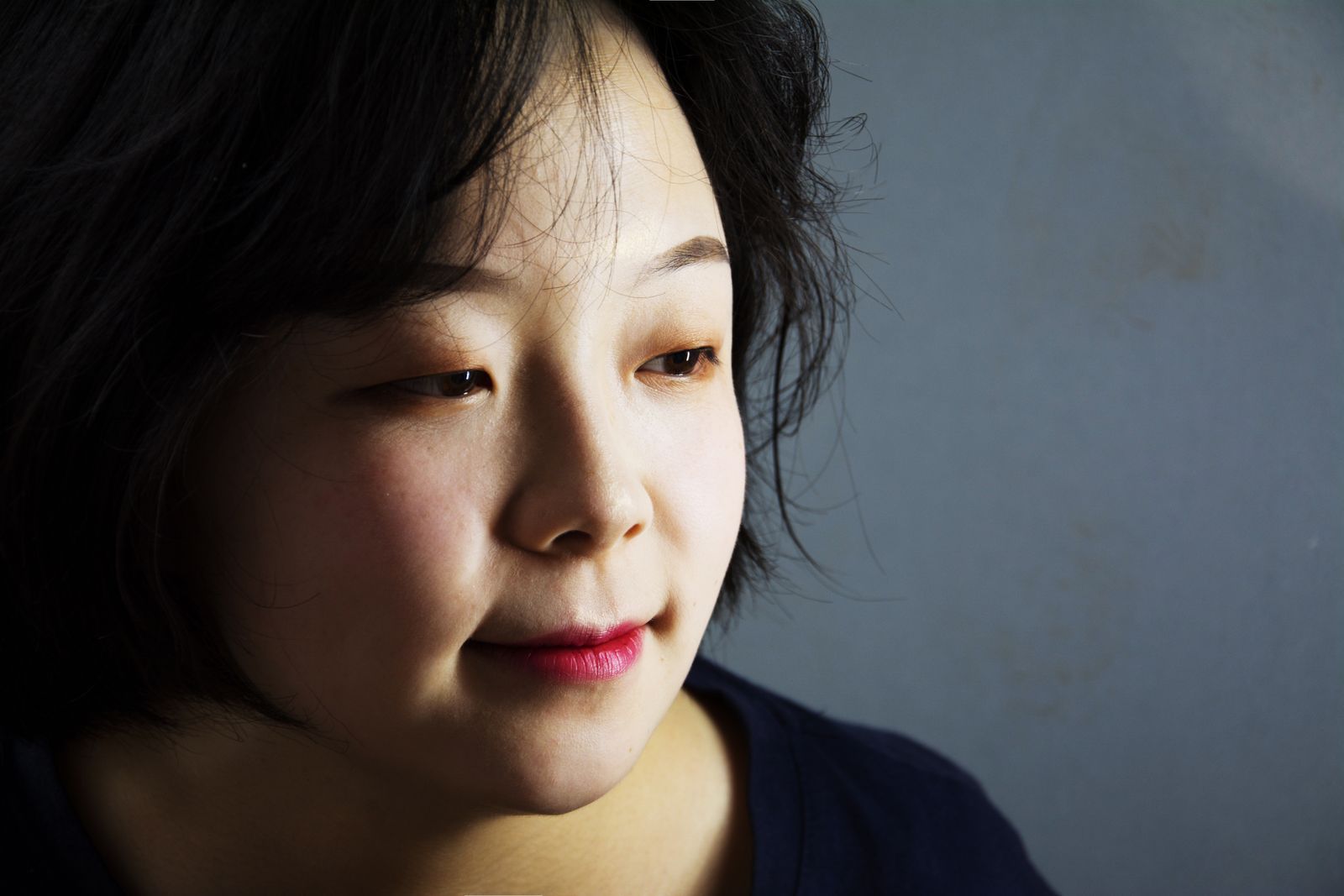 Before
After
Your visit What happens on the day of treatment?
- Skin evaluation and plan Your doctor examines texture, scars and tone, then discusses downtime versus no-downtime options.
- Preparation Skin is cleansed and numbing cream is applied if needed for comfort.
- Laser passes Controlled passes are made with cooling; deeper settings may feel warm or prickly. Total time is 30–60 minutes.
- Calming finish Soothing care is applied and you receive written aftercare instructions.
Results and recovery What is the recovery and results timeline?
Light polishing lasers usually cause little or no visible downtime. Deeper resurfacing can bring redness and fine peeling for 2–7 days, depending on settings. Skin feels smoother almost immediately, texture looks clearer at 1–2 weeks, and collagen improvement with refined pores continues over 4–12 weeks. Scars and texture respond best to a series of sessions.
Aftercare
- Keep skin moisturised and protected with SPF 50
- Gentle cleansing with barrier-focused products
- Let peeling skin shed naturally
Avoid for now
- Heat, sauna and workouts for 24–48 hours
- Scrubs, retinoids and acids until instructed
- Direct sun exposure while skin heals
Answers from our doctors Frequently Asked Questions
How many laser resurfacing sessions will I need?
Most patients need about 3–6 sessions spaced several weeks apart. The exact number depends on the depth of scarring or texture and on the setting chosen.
Is laser resurfacing painful?
Numbing cream makes treatment comfortable for most people. Deeper passes can feel warm or prickly, and cooling is used throughout to keep the skin comfortable.
Is it safe for sensitive or darker skin tones?
Yes, with appropriate care. Device choice and settings are adjusted to skin type to minimise irritation and the risk of pigment changes, and gentler, more gradual programmes may be recommended.
Can laser resurfacing be combined with other treatments?
Yes. It is often paired with RF microneedling, skin boosters or facials such as HydraFacial. Your doctor plans the order and spacing of treatments.
How long is the downtime?
Gentle polishing lasers usually involve little to no downtime. Deeper resurfacing can cause redness and peeling for 2–7 days, so many patients schedule it before a quieter week.
Can I have laser resurfacing while visiting Seoul?
Often yes, especially lighter settings. If you choose deeper resurfacing, allow several days for recovery and avoid strong sun or flights immediately afterwards if your doctor advises.
Expertise & trust Why patients choose Bailor Clinic
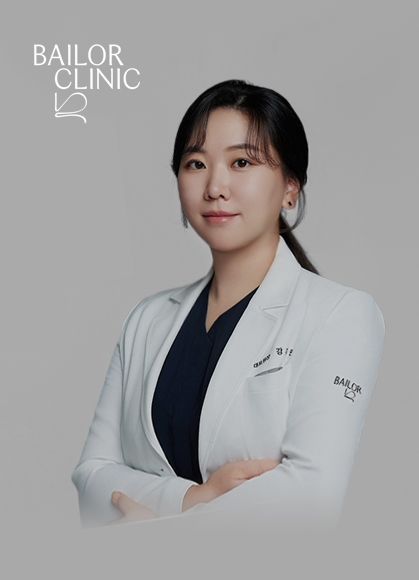
Dr. Jimin Kang
Medical Director · Bailor Clinic, Gangnam
Every treatment plan at Bailor Clinic is designed and performed by a licensed physician. Dr. Kang leads our medical team and reviews treatment protocols so that results look natural, safe and consistent for Korean and international patients alike.
- Doctor-performed only Treatments are carried out by physicians, not delegated to staff.
- Genuine products, strict protocols Premium, authentic formulations and devices used under standardised safety protocols.
- English-speaking support Consultation and aftercare in English via WhatsApp and KakaoTalk.
- Private 1:1 rooms Discreet treatment rooms in Sinsa, near Sinsa and Jamwon stations.
This page is for general information and does not replace a medical consultation. Suitability, number of sessions and results depend on your skin and are confirmed by a doctor at Bailor Clinic.