
What is hyperpigmentation and how is it treated?
Hyperpigmentation is darkening of the skin caused by excess melanin, appearing as spots, patches or uneven tone. Common types include melasma, freckles, age spots and post-inflammatory marks after acne. Treatment begins with identifying the type and depth of pigment, then combines targeted laser brightening, RF microneedling, brightening boosters and peels, supported by daily SPF 50+ and maintenance sessions every 2–3 months.
- Session time
- 30–60 minutes
- Comfort
- Mild warmth or snapping; numbing as needed
- Downtime
- Usually minimal; brief redness
- Typical course
- Several sessions, 2–4 weeks apart
- Results
- Progressive lightening over a course
- Maintenance
- Every 2–3 months
Understanding pigmentation What types of hyperpigmentation are there?
Not all dark marks are the same, and the wrong treatment can make some types worse. That is why every plan at Bailor Skin Clinic starts with a detailed skin analysis under our Beauty Tailor approach — identifying the type, depth and cause before choosing a device.
Melasma
Symmetrical patches driven by hormones, UV and heat; needs a gentle approach. See melasma treatment.
Freckles & age spots
Small, well-defined spots from sun exposure that often respond well to targeted laser. See age spots.
Post-inflammatory marks
Brown marks left after acne, rashes or irritation, common in Asian and darker skin.
Sun-induced unevenness
Diffuse blotchiness and dullness from cumulative UV, linked to sun damage.
Options at Bailor Which hyperpigmentation treatments do we use?
Laser brightening
Targeted laser energy breaks down melanin clusters to lighten freckles, sun spots and uneven pigment while protecting surrounding skin, including pico toning.
RF microneedling
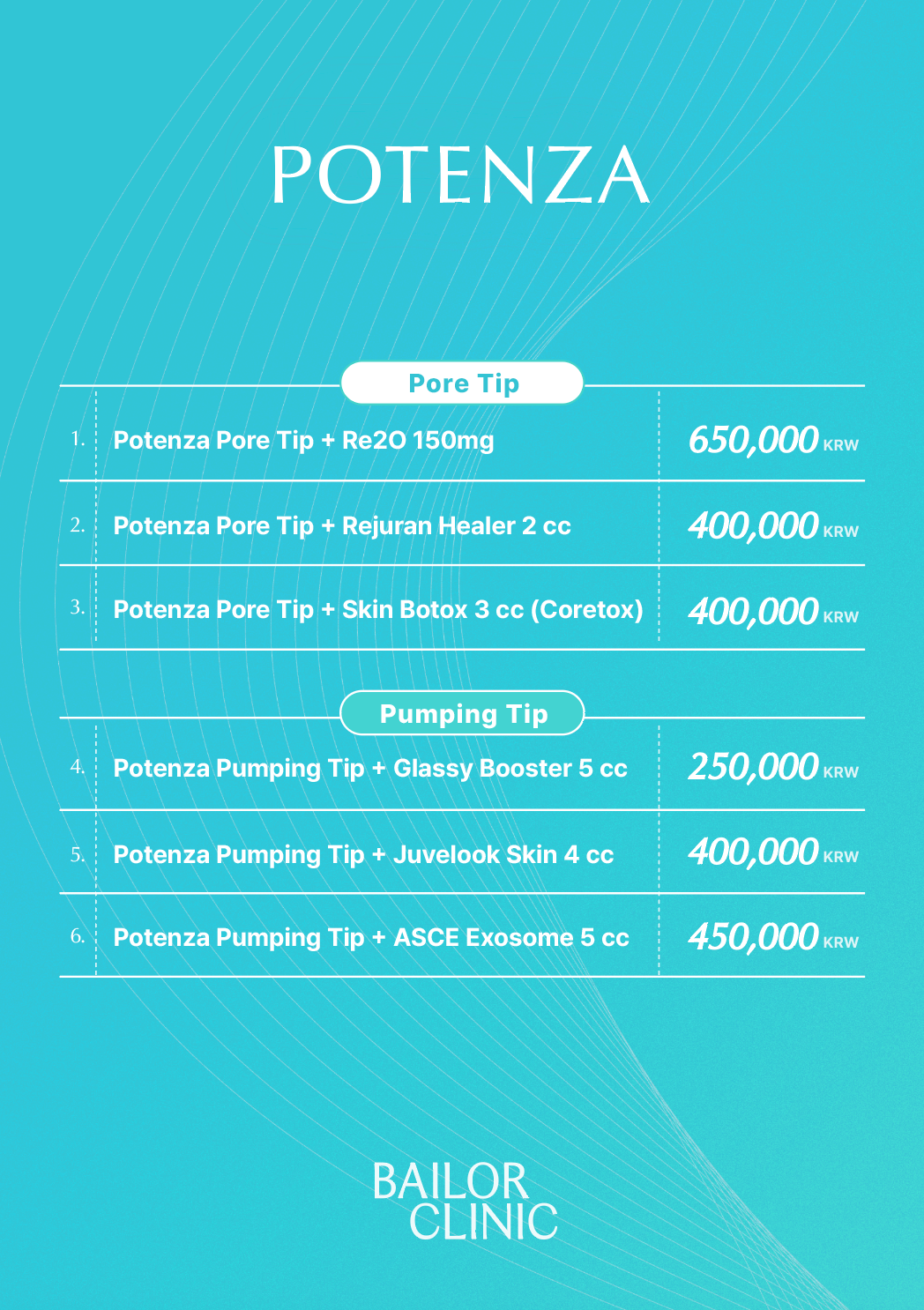
Potenza or Secret RF stimulate collagen, help fade pigmentation and smooth uneven texture.
Brightening boosters
Glutathione, vitamin C and salmon DNA (PDRN) improve radiance and repair the barrier after laser.
Chemical peels
Gentle exfoliation such as LHALALA Peel removes dull surface layers and improves light reflection.
 Before
After
Suitability Who is this treatment suitable for?
- Dark spots, freckles or sun spots on the face or body
- Brown marks left after acne or skin irritation
- Melasma that needs a careful, layered plan
- Asian and melanin-rich skin tones wanting a safe approach
- Anyone looking for long-term tone balancing rather than a quick fix
Those with deeper skin tones may also want to read our Black skin treatment page.
Your treatment plan What does a typical hyperpigmentation plan look like?
- Consultation & skin tone analysis A doctor examines pigment type, depth and triggers, and reviews your skincare and sun habits.
- Customised laser or RF session The device and settings are chosen for your pigment and skin type.
- Brightening booster & soothing care A post-laser booster and calming care support recovery and an even tone.
- Maintenance & protection Home skincare, sun protection and periodic sessions keep results stable.
Aftercare How do I stop pigmentation coming back?
Pigment cells remain sensitive after treatment, so protection is essential for lasting clarity.
First 1–2 weeks
- Avoid direct UV exposure and heat
- Use gentle, hydrating skincare
- Skip harsh exfoliants and anything that irritates
Ongoing
- Broad-spectrum SPF 50+ every day
- Maintenance treatments every 2–3 months
- Brightening products recommended by your doctor
Answers from our doctors Frequently Asked Questions
How many sessions will I need?
It depends on the type and depth of pigment. Freckles and sun spots may improve in a few sessions, while melasma and post-inflammatory marks often need a longer course spaced 2–4 weeks apart.
Is treatment safe for Asian and darker skin?
Yes, when settings are tailored. We use a doctor-led diagnosis and conservative energy for pigment-prone skin to reduce the risk of rebound darkening.
Will my pigmentation come back?
Some types, especially melasma, can recur with sun, heat or hormones. Daily SPF 50+ and maintenance every 2–3 months help keep results stable.
Is there downtime?
Most sessions involve only brief redness. Some spot treatments can leave small darker crusts that flake off within about a week.
Can I combine treatments?
Yes. Combination therapy — laser, RF and boosters — is the core of our approach. See also laser toning and pigmentation laser treatment.
Expertise & trust Why patients choose Bailor Clinic
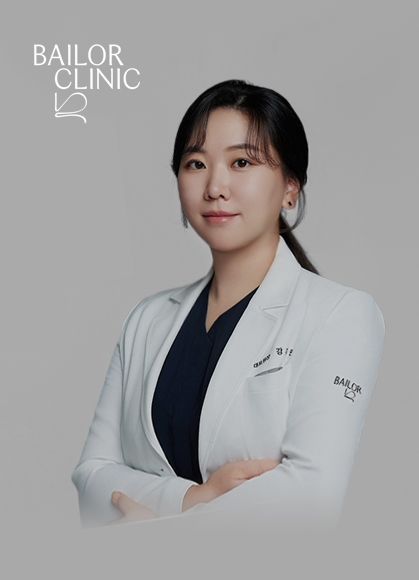
Dr. Jimin Kang
Medical Director · Bailor Clinic, Gangnam
Every treatment plan at Bailor Clinic is designed and performed by a licensed physician. Dr. Kang leads our medical team and reviews treatment protocols so that results look natural, safe and consistent for Korean and international patients alike.
- Doctor-performed only Treatments are carried out by physicians, not delegated to staff.
- Genuine products, strict protocols Premium, authentic formulations and devices used under standardised safety protocols.
- English-speaking support Consultation and aftercare in English via WhatsApp and KakaoTalk.
- Private 1:1 rooms Discreet treatment rooms in Sinsa, near Sinsa and Jamwon stations.
This page is for general information and does not replace a medical consultation. Suitability, number of sessions and results depend on your skin and are confirmed by a doctor at Bailor Clinic.