
What causes loss of skin elasticity and how is it treated?
Loss of elasticity happens when the collagen and elastin network in the dermis weakens with age, UV exposure, weight change and lifestyle factors, so skin no longer springs back as it used to. It is treated by stimulating new collagen with energy-based lifting such as Ultherapy or Thermage FLX, regenerative injectables, microneedle RF and, where appropriate, thread lifting — usually combined into a staged plan.
- Session time
- 30–90 minutes, by procedure
- Comfort
- Topical anaesthesia for sensitive skin
- Downtime
- Mild redness or swelling for 1–2 days
- Typical plan
- 1 lifting session + 2–4 booster sessions
- Results
- Firmer skin over 4–8 weeks
- Maintenance
- Lifting yearly; boosters every 3–6 months
Understanding elasticity Why does skin lose its elasticity?
Elasticity is the ability of skin to stretch and return to shape. It depends on a healthy scaffold of collagen for strength and elastin for recoil, held in a hydrated matrix of hyaluronic acid. From our mid-twenties collagen production slowly falls, and external factors speed up the breakdown of what remains.
Intrinsic ageing
Fibroblasts become less active and existing fibres thin, so skin gradually feels softer and less springy.
UV exposure
Sunlight fragments elastin and collagen, the main cause of early laxity and sun damage.
Weight change
Weight loss or fluctuations can leave stretched skin that no longer contracts fully.
Lifestyle
Smoking, poor sleep, high sugar intake and dehydration all weaken the dermal structure.
Suitability What are the signs of reduced elasticity?
- Skin that feels thinner, softer or less firm to the touch
- Loss of bounce or tightness after ageing or weight loss
- Crepey or finely wrinkled areas, especially on the cheeks and neck
- Early sagging along the jawline, cheeks or neck
- A dull or tired-looking complexion with uneven texture
Elasticity loss often appears before visible sagging. Treating it early helps slow progression toward sagging skin and jowls.
Options at Bailor How does Bailor Clinic restore skin elasticity?
Our Elasticity Restoration Program combines treatments that work at different depths. Your doctor tailors the plan to your degree of laxity, skin thickness and age.
Ultrasound lifting
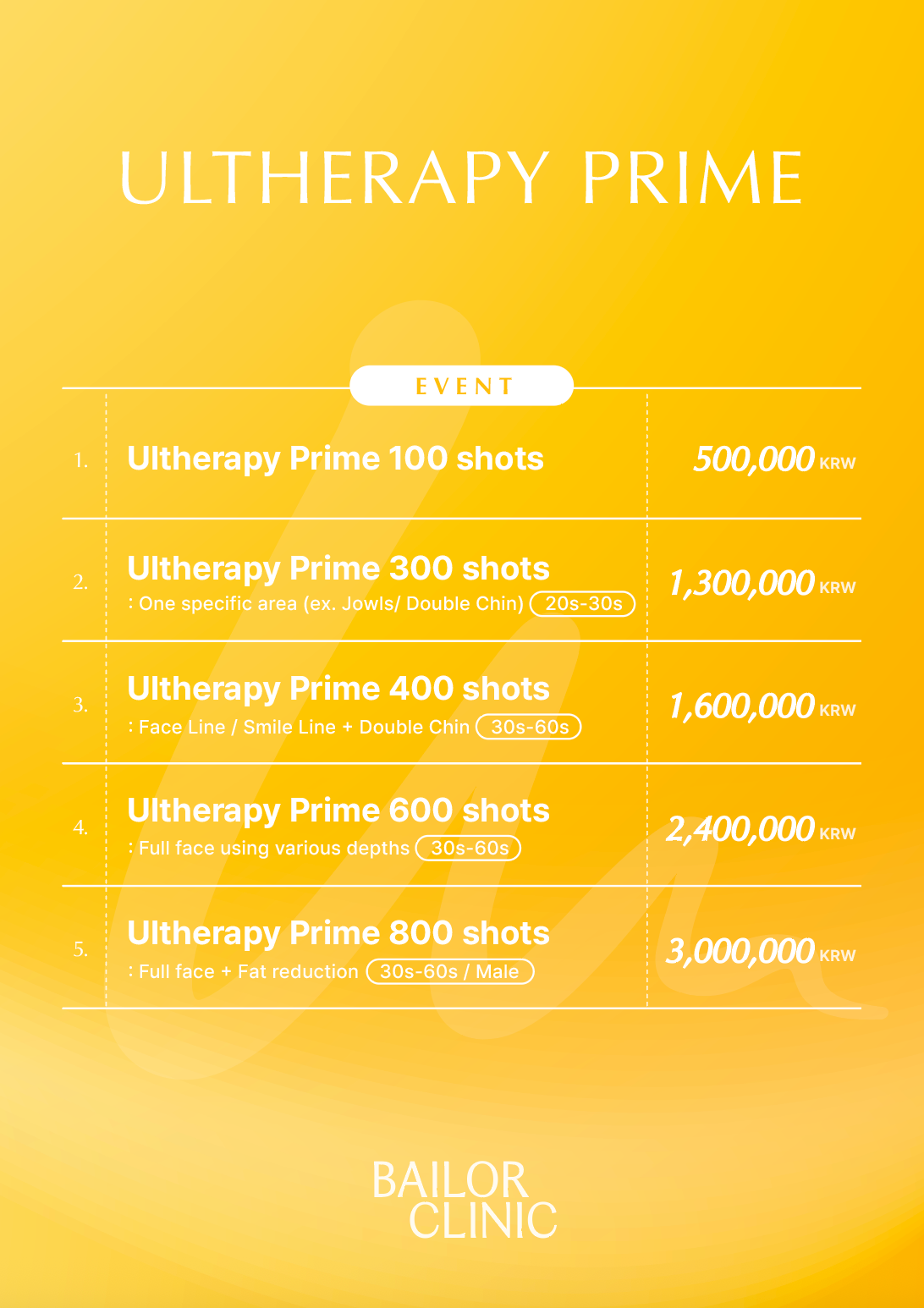
Ultherapy and HIFU tighten the deep SMAS layer and trigger collagen renewal for firmer support.
RF tightening
Thermage FLX and RF tightening heat the dermis to contract collagen and stimulate new fibres.
Regenerative injectables
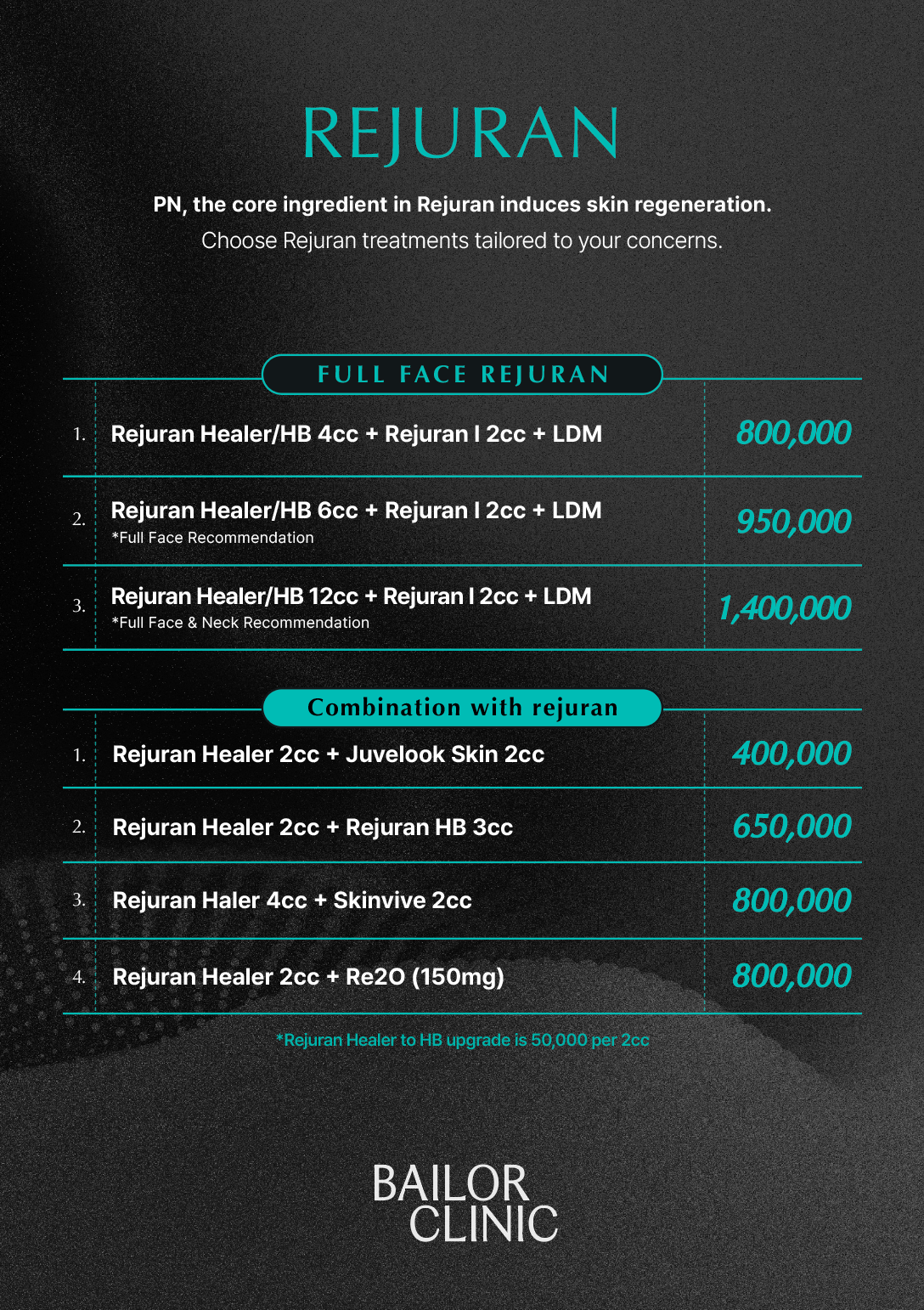
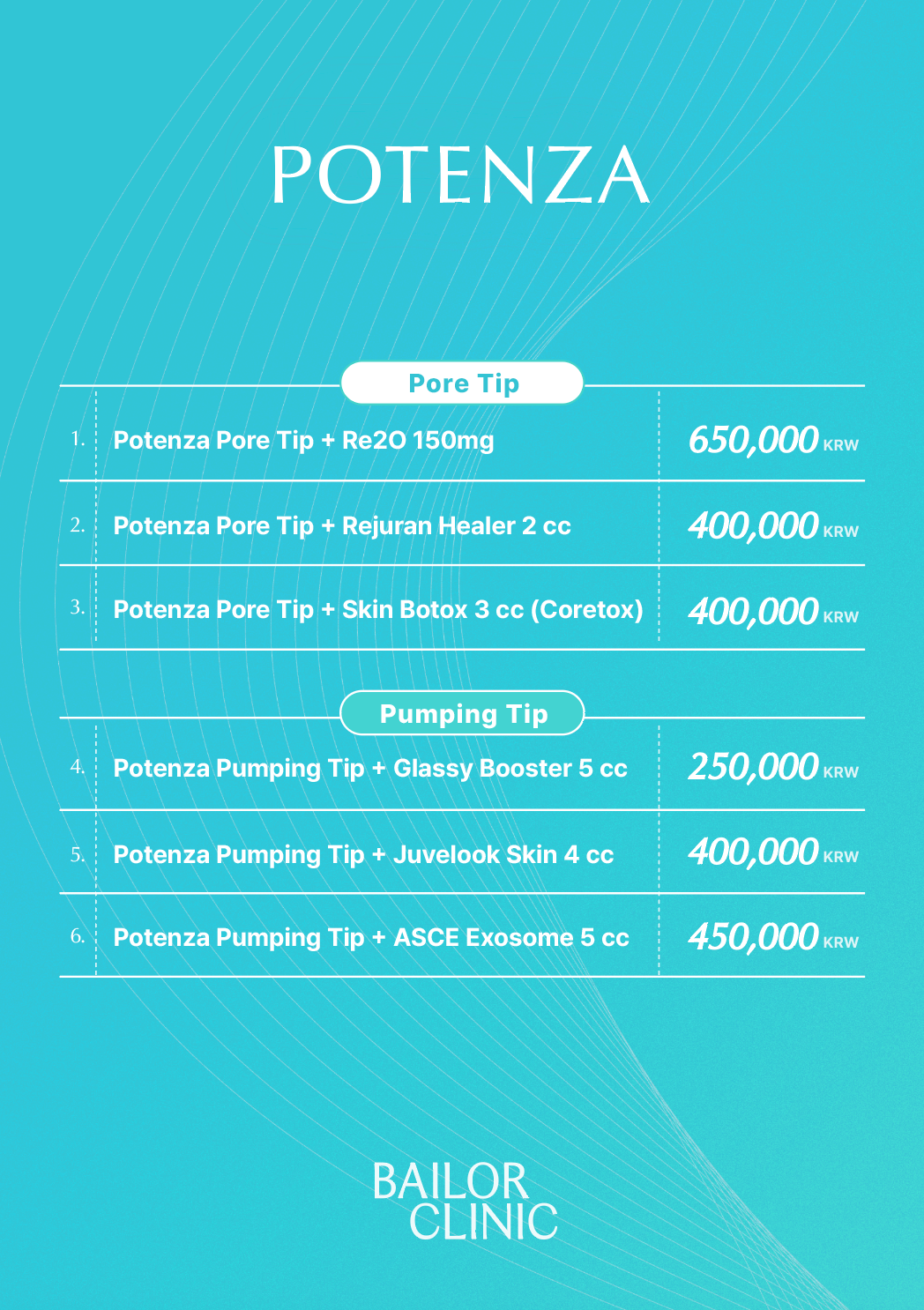
Rejuran, Juvelook, Sculptra, Radiesse and exosome boosters improve density, hydration and resilience.
Microneedle RF & threads
Secret RF or Potenza strengthen the collagen network; MINT, PDO or COG threads add mechanical lift.
 Before
After
Your visit What to expect during treatment
- Doctor evaluation We assess skin thickness, laxity and facial structure and discuss realistic goals.
- Staged plan Typically a lifting device first to tighten the foundation, followed by boosters to improve skin quality.
- Treatment session Sessions last 30–90 minutes. Topical anaesthesia is applied for sensitive areas to keep discomfort minimal.
- Recovery Mild redness or swelling may last 1–2 days. Most patients return to normal activities the same or next day.
Long-term results How long do elasticity results last?
Collagen remodelling is gradual: skin typically becomes firmer and more elastic over 4–8 weeks, with improvement continuing for several months. Results from energy-based lifting commonly last around a year, and boosters are refreshed every few months.
First week
- Avoid direct sun, saunas and intense exercise
- Use gentle cleansing and a calming moisturiser
- Do not massage treated areas after injectables
Long term
- Daily SPF 50+ to protect new collagen
- Good sleep, hydration and a balanced diet
- Annual lifting and regular booster maintenance
Answers from our doctors Frequently Asked Questions
Can lost elasticity be restored?
It can be meaningfully improved. Treatments stimulate fibroblasts to produce new collagen and elastin, which makes skin firmer and more resilient. Ageing continues, so results are maintained with periodic sessions rather than being permanent.
Which treatment is best for loss of elasticity?
It depends on the cause and depth. Deeper laxity usually benefits from Ultherapy or Thermage FLX, while thin, crepey skin responds well to regenerative boosters. Many patients combine both. Your doctor will recommend the most suitable mix.
Does it hurt?
Most patients describe warmth or brief deep pulses during energy treatments and a light pinch with injectables. Topical anaesthesia is applied when needed, and settings are adjusted for your comfort.
When will I see results?
Some tightening may be visible soon after treatment, but the main improvement develops over 4–8 weeks as collagen rebuilds, continuing for up to 3 months.
At what age should I start?
Many patients begin preventive collagen treatments in their thirties when they first notice reduced firmness. It is never too late, but earlier care tends to maintain results more easily. See also loss of collagen.
Can I combine treatments in one trip to Seoul?
Often yes. A lifting device and a skin booster can be scheduled within the same visit when appropriate. Contact us on WhatsApp or KakaoTalk so we can plan around your dates.
Expertise & trust Why patients choose Bailor Clinic
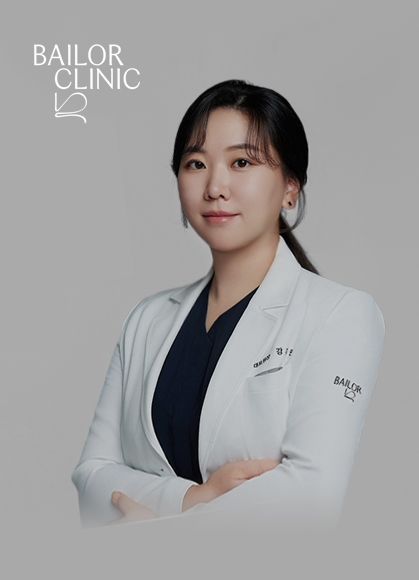
Dr. Jimin Kang
Medical Director · Bailor Clinic, Gangnam
Every treatment plan at Bailor Clinic is designed and performed by a licensed physician. Dr. Kang leads our medical team and reviews treatment protocols so that results look natural, safe and consistent for Korean and international patients alike.
- Doctor-performed only Treatments are carried out by physicians, not delegated to staff.
- Genuine products, strict protocols Premium, authentic formulations and devices used under standardised safety protocols.
- English-speaking support Consultation and aftercare in English via WhatsApp and KakaoTalk.
- Private 1:1 rooms Discreet treatment rooms in Sinsa, near Sinsa and Jamwon stations.
This page is for general information and does not replace a medical consultation. Suitability, number of sessions and results depend on your skin and are confirmed by a doctor at Bailor Clinic.