
What is a skin tag and how is it removed?
A skin tag (acrochordon) is a small, soft, benign growth of skin, often on the neck, underarms, eyelids or chest folds, where friction is common. It is harmless but may catch on clothing or jewellery. After a doctor confirms it is benign, it can be removed in about 10–30 minutes using laser for small tags or shave or micro-excision under local anaesthesia for larger ones, with minimal scarring.
- Session time
- About 10–30 minutes
- Anaesthesia
- Local anaesthesia if needed
- Downtime
- Small scab for about 1–2 weeks
- Sessions
- Usually one
- Healing
- Pink mark fades over several weeks
- Recurrence
- Treated tag removed; new tags can form
Understanding skin tags Why do skin tags form?
Skin tags are made of loose collagen fibres and small blood vessels covered by skin, usually attached by a thin stalk. They are very common, especially from middle age onwards, and are not contagious.
Friction
Areas where skin rubs against skin or clothing, such as the neck and underarms, are most affected.
Metabolic & hormonal factors
Weight gain, insulin resistance and pregnancy are linked to more frequent tags.
Genetics & age
Tags often run in families and become more common with age.
Not to be confused with
Moles, warts or other growths can look similar, so a doctor's examination comes first. See mole removal.
Options at Bailor Which removal method is right for me?
Laser removal
- Ideal for small, superficial tags
- Minimally invasive with quick healing
- Reduces bleeding and scarring
Shave or excision
- Used for larger or thicker tags
- Performed under local anaesthesia
- Removes the tag completely at its base
For multiple or complex tags, the doctor may combine methods for the most natural, even-toned result. Delicate areas such as the eyelids are treated with extra precision.
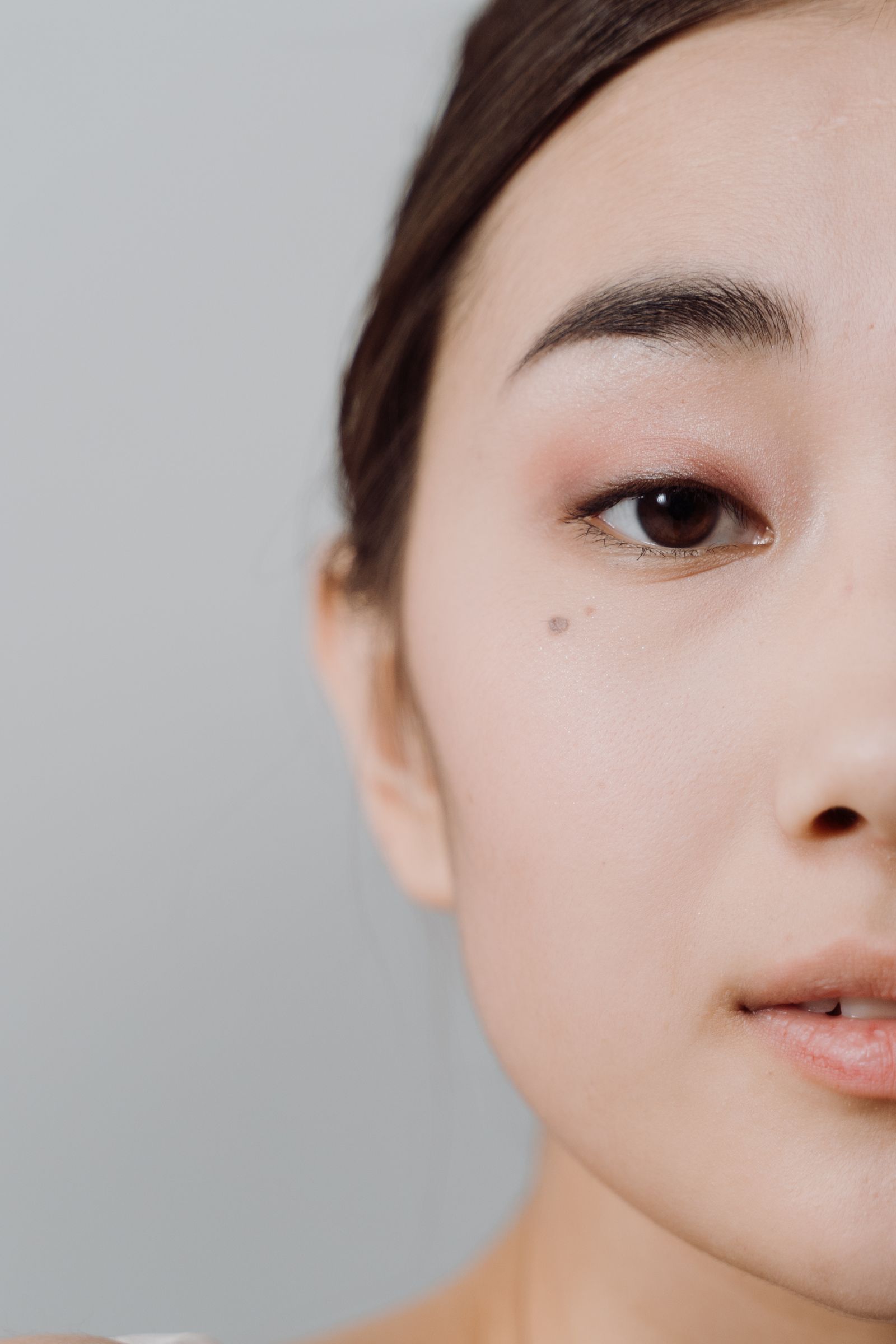 Before
After
Your visit What happens during skin tag removal?
- Consultation & diagnosis The doctor examines each growth and confirms it is a benign skin tag before treatment.
- Procedure plan Laser, shave or excision is chosen according to size and location, with a clear explanation beforehand.
- Removal The procedure is quick and sterile, with local anaesthesia if needed. Most visits take 10–30 minutes.
- Aftercare & protection You receive written post-care guidance and can return to daily activities straight away.
Aftercare How should I care for the area after removal?
Good aftercare supports healing and lowers the risk of a dark mark, which is particularly important for Asian and darker skin tones.
- Keep the treated area clean and dry
- Avoid touching, scratching or picking any scab
- Apply broad-spectrum SPF 50+ when outdoors
- Avoid saunas, swimming and exfoliation until fully healed
- Use a healing ointment or gentle moisturiser as advised
If a mark lingers, gentle brightening such as laser toning can help even the tone. See also post-inflammatory hyperpigmentation.
Our approach Why have skin tags removed by a doctor?
Home removal kits, tying or cutting can cause bleeding, infection or scarring, and risk missing a growth that is not actually a skin tag. A doctor-led approach gives you diagnosis and precise removal together.
Accurate diagnosis
Each growth is checked before removal so that anything unusual is identified.
Scar-minimised technique
Medical-grade laser and micro-excision tools limit damage to surrounding skin.
Clear explanations
Transparent pricing and a full explanation before treatment.
Private, discreet care
One-patient rooms and English-speaking staff for international patients.
Answers from our doctors Frequently Asked Questions
Are skin tags dangerous?
Skin tags are benign and not harmful. However, some growths that look like tags can be something else, which is why a doctor examines each one before removal.
Does skin tag removal hurt?
Small tags often need little or no anaesthesia, and local anaesthesia is used for larger ones. Most patients feel only a brief sting from the injection.
Will it leave a scar?
Using laser or precise excision, most tags heal with minimal marking. A small pink spot may remain for a few weeks and usually fades. Sun protection helps prevent darkening.
Can skin tags come back?
A completely removed tag does not usually return in the same spot, but new tags can form elsewhere, especially in areas of friction. They can be treated as they appear.
Can I remove several skin tags in one visit?
Yes. Multiple tags can usually be treated in a single appointment, and the doctor may combine methods depending on size and location.
Can eyelid skin tags be removed?
Yes, with extra care. Tags near the eye are treated with precise, gentle techniques suited to delicate skin. Your doctor will explain the approach at consultation.
Expertise & trust Why patients choose Bailor Clinic

Dr. Jimin Kang
Medical Director · Bailor Clinic, Gangnam
Every treatment plan at Bailor Clinic is designed and performed by a licensed physician. Dr. Kang leads our medical team and reviews treatment protocols so that results look natural, safe and consistent for Korean and international patients alike.
- Doctor-performed only Treatments are carried out by physicians, not delegated to staff.
- Genuine products, strict protocols Premium, authentic formulations and devices used under standardised safety protocols.
- English-speaking support Consultation and aftercare in English via WhatsApp and KakaoTalk.
- Private 1:1 rooms Discreet treatment rooms in Sinsa, near Sinsa and Jamwon stations.
This page is for general information and does not replace a medical consultation. Suitability, number of sessions and results depend on your skin and are confirmed by a doctor at Bailor Clinic.