
What are broken capillaries and how are they removed?
Broken capillaries (telangiectasia or spider veins) are small, permanently widened blood vessels that show as fine red or purple lines, usually around the nose and cheeks. They do not fade on their own. They are most effectively treated with a vascular laser that heats the vessel so the body gradually reabsorbs it, typically over 1–3 sessions, combined with barrier care and sun protection to limit new vessels.
- Session time
- 20–40 minutes
- Comfort
- Warm snapping; cooling used
- Downtime
- Redness or mild swelling 1–3 days
- Typical course
- 1–3 sessions, about 4 weeks apart
- Results
- Vessels fade over 2–6 weeks
- Maintenance
- Touch-ups as new vessels appear
Understanding the concern Why do broken capillaries appear on the face?
The term "broken" is a little misleading: the vessels are not ruptured but dilated. When the thin walls of superficial capillaries lose their ability to contract, blood stays visible through the skin as fine red threads. They are especially common on the nose, cheeks and chin, and often appear together with general facial redness or rosacea.
Sun damage
Years of UV exposure weaken collagen around vessels, so they dilate more easily and stay visible.
Genetics & fair skin
Thin or fair skin shows vessels more clearly, and a tendency to flush often runs in families.
Temperature & triggers
Repeated flushing from heat, cold wind, alcohol or spicy food stretches capillaries over time.
Skin trauma & habits
Aggressive scrubbing, squeezing, long-term strong steroid creams or pressure can damage fine vessels.
Suitability Who is a good candidate for capillary removal?
- Fine red or purple thread veins around the nose, cheeks or chin
- Persistent redness that make-up struggles to cover
- Vessels that have become more noticeable with age or sun exposure
- Redness linked to rosacea that is currently stable
- Patients who want a targeted treatment rather than covering redness daily
Treatment is postponed for active infection, a recent sunburn or tan, or certain medical conditions and medications. Your doctor reviews eligibility at consultation and adjusts settings for skin tone and sensitivity to keep the risk of pigment change low.
Options at Bailor How does Bailor Clinic treat broken capillaries?
Your plan starts with a full skin assessment. The doctor looks at vessel size, depth and colour, as well as overall redness and barrier condition, and then combines a targeted vascular step with support for calmer, stronger skin.
Vascular laser
A vascular laser such as Excel V delivers light absorbed by haemoglobin, closing the dilated vessel while sparing surrounding skin.
Redness & tone balancing
Gentle laser toning passes can soften diffuse redness and evening out tone between targeted sessions.
Dermal support
Sylfirm X may be recommended where abnormal vessels and redness sit alongside pigment concerns.
Barrier repair add-ons
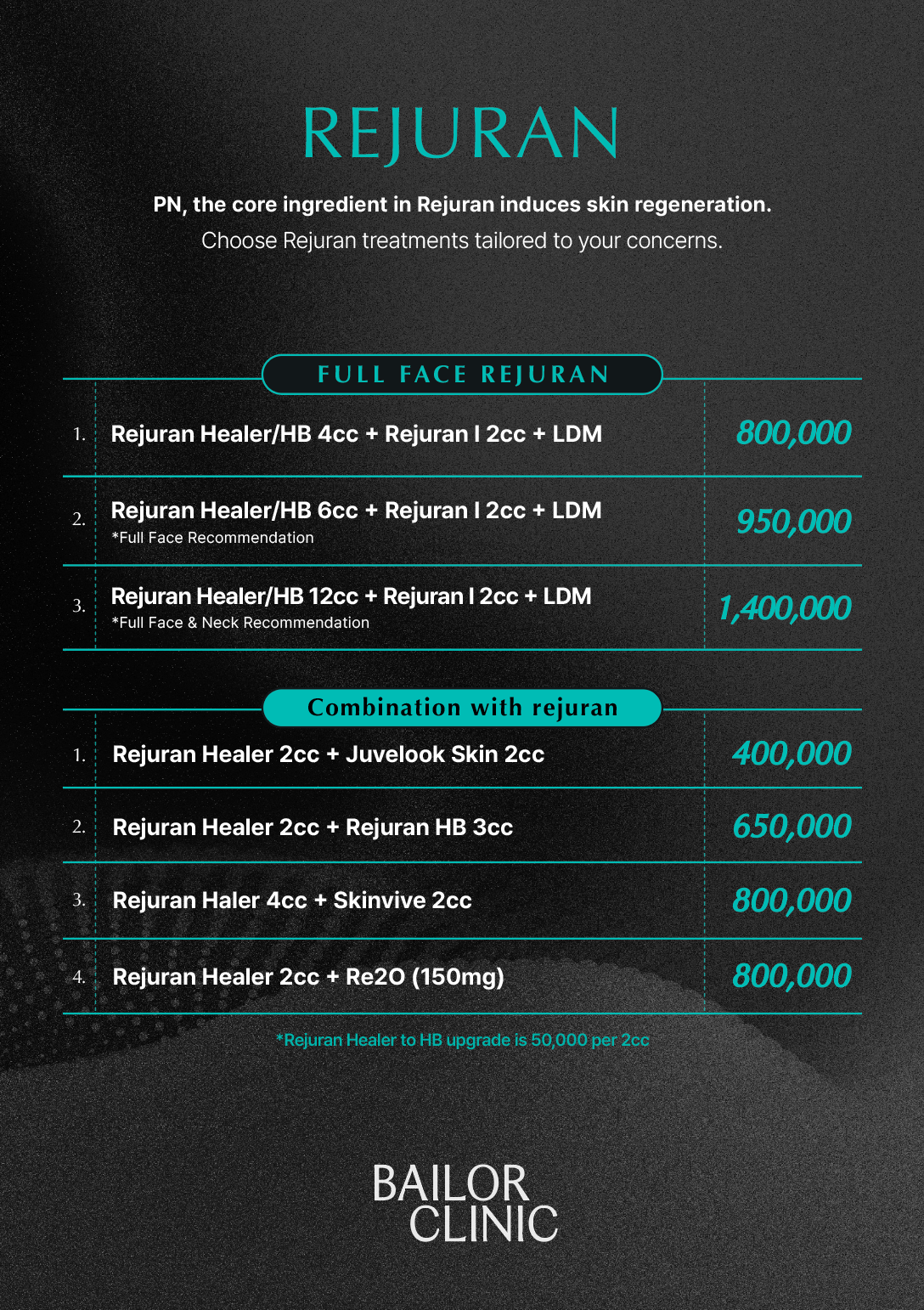
Soothing care and boosters such as Rejuran Healer help reinforce thin, reactive skin.
 Before
After
Your visit What happens during a vascular laser session?
- Consultation & mapping The doctor examines each area, discusses your triggers and agrees how many sessions are realistic for your vessels.
- Preparation Skin is cleansed and protective eyewear is applied. Numbing is rarely needed, but cooling is used throughout.
- Targeted laser passes Short pulses are traced along each vessel. Most patients describe a quick, warm snap similar to a rubber band.
- Calming finish A soothing product and sunscreen are applied. Fine vessels may look slightly darker or bruised before fading.
A session typically takes 20–40 minutes, so it fits easily into a day in Gangnam. Larger or deeper vessels may need a second or third session about four weeks later.
Long-term results Aftercare and keeping new vessels away
Treated vessels that have closed do not usually reopen, but new ones can form if the underlying triggers continue. Good aftercare protects the result and the skin barrier.
First 48 hours
- Avoid saunas, hot baths, intense exercise and alcohol
- Use cool compresses for swelling
- Cleanse gently; no scrubs, acids or retinoids until advised
Every day after
- Broad-spectrum SPF 50, reapplied outdoors
- Protect skin from wind, cold and sudden heat
- Fragrance-free, barrier-focused skincare
If you also have sun damage or sensitivity, the doctor may suggest a sensitive skin strengthening programme as part of your maintenance.
Answers from our doctors Frequently Asked Questions
Do broken capillaries go away on their own?
Usually not. Once a capillary has dilated and lost its elasticity, it tends to stay visible. Make-up can cover it, and avoiding triggers can stop it worsening, but a vascular laser is the most reliable way to make established thread veins fade.
How many sessions will I need?
Small, fine vessels often respond to one or two sessions, while larger or more numerous vessels may need three, spaced about four weeks apart. Your doctor gives you a realistic estimate after examining the depth and size of the vessels.
Does the laser hurt?
Most patients find it very tolerable. Each pulse feels like a quick warm snap, and continuous cooling keeps the skin comfortable. Numbing cream is rarely needed for the face.
Will I bruise or look red afterwards?
Mild redness and slight swelling are common for one to three days, and some vessels may look darker briefly before fading. Visible bruising is uncommon with typical settings. Most people return to normal activities the same day.
Can broken capillaries come back?
Treated vessels generally stay closed, but new ones can form with sun exposure, flushing or ageing. Daily sunscreen and avoiding triggers help, and occasional touch-up sessions keep skin clear. See also our rosacea page.
Can I have treatment during a short trip to Seoul?
Yes. A session takes under an hour and has little downtime, so it can fit into a visit. Plan to avoid strong sun and saunas for a few days, and message us on WhatsApp or KakaoTalk to schedule around your trip.
Expertise & trust Why patients choose Bailor Clinic

Dr. Jimin Kang
Medical Director · Bailor Clinic, Gangnam
Every treatment plan at Bailor Clinic is designed and performed by a licensed physician. Dr. Kang leads our medical team and reviews treatment protocols so that results look natural, safe and consistent for Korean and international patients alike.
- Doctor-performed only Treatments are carried out by physicians, not delegated to staff.
- Genuine products, strict protocols Premium, authentic formulations and devices used under standardised safety protocols.
- English-speaking support Consultation and aftercare in English via WhatsApp and KakaoTalk.
- Private 1:1 rooms Discreet treatment rooms in Sinsa, near Sinsa and Jamwon stations.
This page is for general information and does not replace a medical consultation. Suitability, number of sessions and results depend on your skin and are confirmed by a doctor at Bailor Clinic.