
What is Capri Laser and what does it treat?
Capri Laser is a clinic-grade laser treatment that delivers selective thermal energy to overactive sebaceous glands to reduce oil output and breakout frequency, while its anti-inflammatory vascular effect calms redness around blemishes. It is used for active acne, oily or combination skin, visible T-zone pores and post-acne redness. A full-face session takes about 15–25 minutes, and most patients resume make-up and their routine the same day.
- Session time
- About 15–25 minutes (full face)
- Comfort
- Brief warm pulses; cooling after
- Downtime
- Mild pinkness, settles within hours
- Typical course
- 3–6 sessions every 2–4 weeks
- First changes
- Less shine and fewer breakouts in 2–4 weeks
- Maintenance
- Every 1–3 months, by season
How it works How does Capri Laser reduce oil and breakouts?
Acne develops when excess sebum, dead skin cells and bacteria block the pore and trigger inflammation. Capri Laser addresses several of these steps at once, which is why it suits skin that keeps breaking out despite good home care.
Sebaceous gland targeting
Selective heat reduces the activity of overactive oil glands, so skin produces less shine and fewer blocked pores.
Calming inflammation
A vascular, anti-inflammatory effect settles redness around active spots and fresh post-acne marks.
Surface refinement
Surface-friendly passes smooth micro-roughness and congestion, so texture feels cleaner and more even.
Minimal disruption
Because the skin surface is preserved, make-up and daily routines can usually resume quickly.
Suitability Who is a good candidate for Capri Laser?
- Teens and adults with oily or combination skin
- Active acne or recurring breakouts
- Visible pores, especially across the T-zone
- Post-acne redness, blotchiness and congestion-prone skin
- Busy schedules that need minimal downtime
Treatment may be delayed during pregnancy or breastfeeding, with active cold sores or open wounds, after recent strong peels or lasers, or while taking photosensitising medication. For deep scarring or pigment spots, your doctor may add separate treatments such as acne scar treatment on a different schedule.
Your visit What happens during a Capri Laser session?
- Oil & redness mapping The doctor reviews breakout patterns, oil distribution, sensitivity and recent treatments, then sets passes, pulse structure and intervals zone by zone.
- Laser session With protective eyewear on, you feel brief warm pulses across the nose, cheeks, forehead and chin.
- Cooling care Soothing care follows to settle warmth and redness.
- Back to routine Most patients have mild pinkness that fades within hours and can return to work the same day.
 Before
After
Results When will I see results from Capri Laser?
Skin often feels fresher and looks less red right away. Over 2–4 weeks most patients notice fewer breakouts, less shine and tighter-looking pores. Because oil glands and acne are influenced by hormones, stress and season, improvement is gradual and best maintained with a series.
Programmes
- Quick Reset: one session before an event or season change
- Acne Control Series: 3–6 sessions for sustained results
- Maintenance Glow: monthly or quarterly
Aftercare (24–48 hours)
- Gentle, hydrating skincare; pause acids and retinoids
- Daily broad-spectrum SPF
- Skip saunas, hot yoga and intense workouts that day
- Do not pick at micro-flaking
Combinations Which treatments pair well with Capri Laser?
Your doctor sequences treatments for safety and synergy. Popular combinations at Bailor Clinic include:
Capri + Aqua Peel
Aqua Peel adds deeper decongestion for a smoother finish.
Capri + Genesis Toning
Genesis toning calms redness and polishes pores and texture.
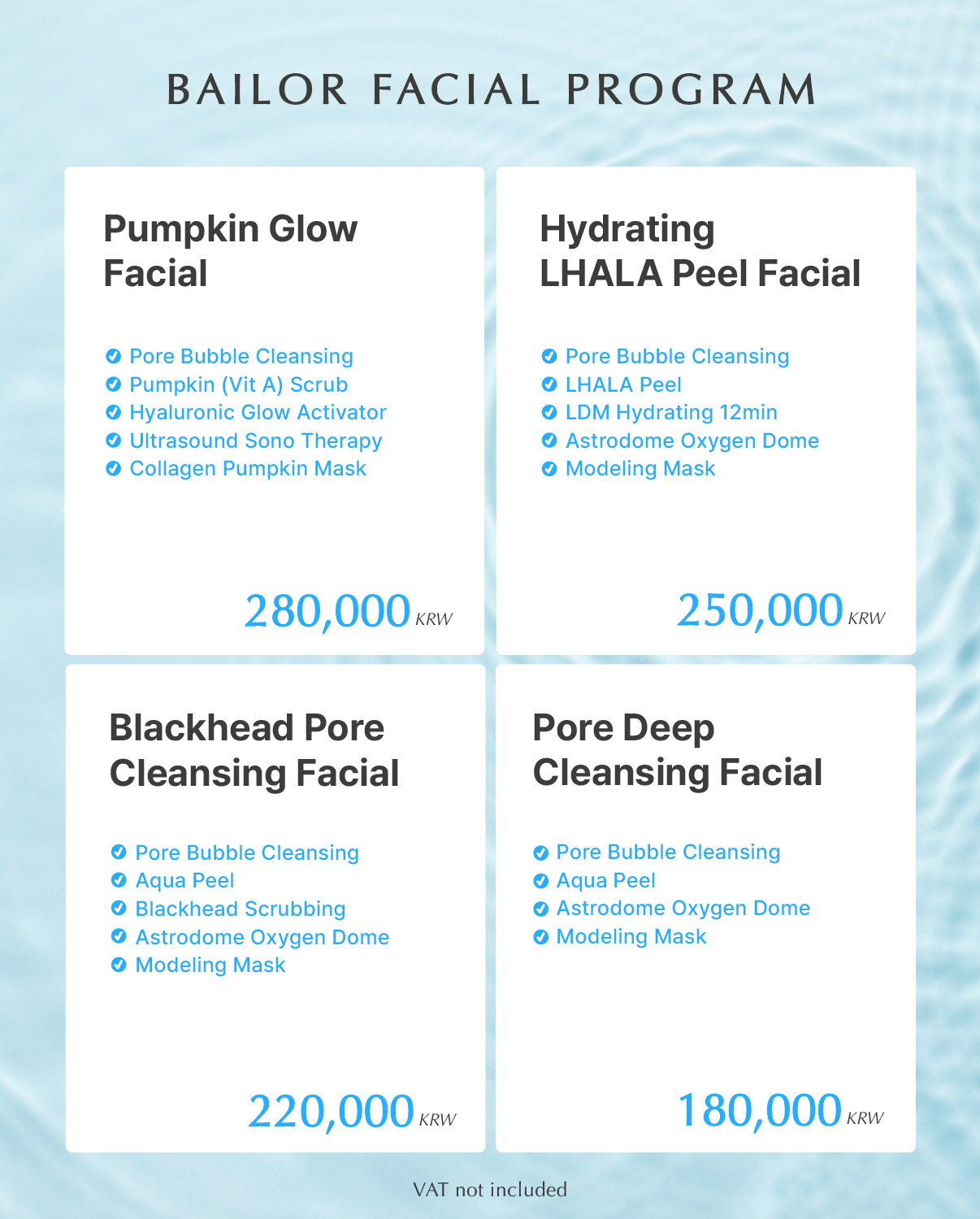
Capri + LHALALA Peel
The LHALALA Peel offers barrier-friendly resurfacing alongside oil control.
Capri + boosters or acne injection
Skin boosters or exosomes support recovery, while a timed acne injection can calm a cystic flare.
Answers from our doctors Frequently Asked Questions
Is Capri Laser painful?
Most patients describe brief warm pulses that are easy to tolerate. Cooling care is applied afterwards, and numbing is generally not needed for a full-face session.
How many sessions do I need?
A typical Acne Control Series is 3–6 sessions every 2–4 weeks. Some patients book a single Quick Reset before an event, then move to monthly or quarterly maintenance based on how their skin behaves.
Can I wear make-up afterwards?
Usually yes. Mild pinkness tends to settle within hours, and make-up can typically be applied the same day. Keep skincare gentle and avoid strong acids or retinoids until any pinkness has gone.
Does Capri Laser treat acne scars?
Capri Laser focuses on oil, active acne, redness and pore appearance. Deeper scars usually need resurfacing or RF microneedling on a separate schedule, which your doctor can plan alongside it.
Is it suitable for teenagers?
Yes, teenagers with oily skin and persistent breakouts can be suitable after a doctor's assessment. For more structured care, see our acne programme.
How much does Capri Laser cost?
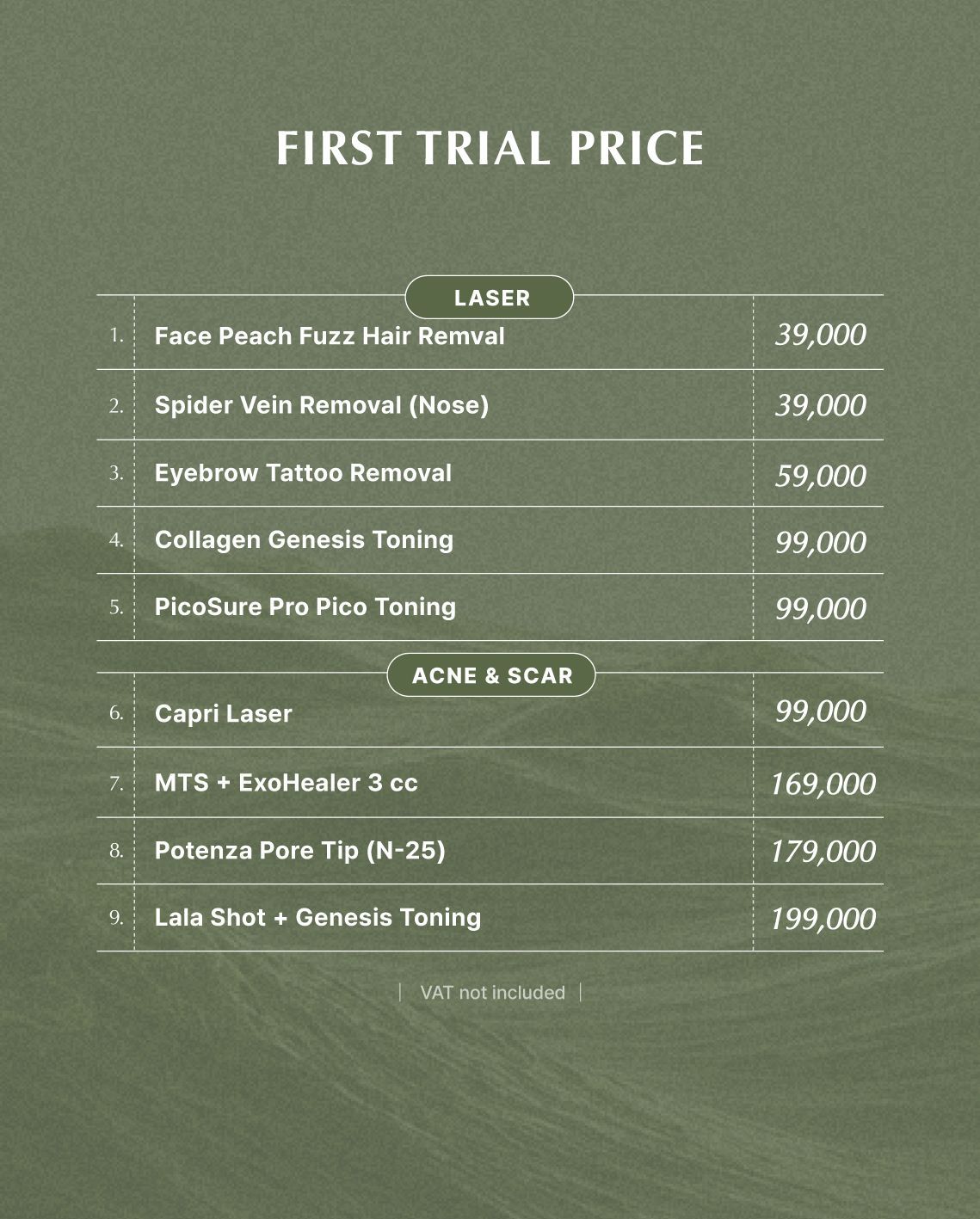
Pricing depends on the areas treated, programme length and add-ons. You will receive a clear quote after your skin assessment at the clinic.
Expertise & trust Why patients choose Bailor Clinic

Dr. Jimin Kang
Medical Director · Bailor Clinic, Gangnam
Every treatment plan at Bailor Clinic is designed and performed by a licensed physician. Dr. Kang leads our medical team and reviews treatment protocols so that results look natural, safe and consistent for Korean and international patients alike.
- Doctor-performed only Treatments are carried out by physicians, not delegated to staff.
- Genuine products, strict protocols Premium, authentic formulations and devices used under standardised safety protocols.
- English-speaking support Consultation and aftercare in English via WhatsApp and KakaoTalk.
- Private 1:1 rooms Discreet treatment rooms in Sinsa, near Sinsa and Jamwon stations.
This page is for general information and does not replace a medical consultation. Suitability, number of sessions and results depend on your skin and are confirmed by a doctor at Bailor Clinic.