
How does laser tattoo removal work?
Laser tattoo removal uses very short pulses of light to shatter ink particles in the skin into tiny fragments, which the immune system then clears away over the following weeks. At Bailor Clinic we use the PicoWay picosecond laser, which breaks ink with pressure rather than heat, helping to treat black and many coloured inks with less risk to surrounding skin. Most tattoos need several sessions.
- Session time
- 10–30 minutes, plus numbing
- Comfort
- Topical anaesthetic and cooling
- Downtime
- Redness, swelling or crusting for days
- Typical course
- 4–8 sessions
- Interval
- Usually 6–8 weeks apart
- First lightening
- Around 2–3 weeks after a session
Technology Why use a picosecond laser for tattoos?
PicoWay delivers energy in trillionths of a second. These ultra-short pulses create a photoacoustic shock wave that fragments ink into much finer particles than older nanosecond lasers could, so the body can clear them more efficiently. Because less heat reaches surrounding tissue, healing tends to be quicker and the risk of scarring or pigment change is reduced.
- Treats a wide range of ink colours, including black, red, green and blue
- Fewer sessions are often needed compared with conventional lasers
- Lower thermal damage, which suits Asian and sensitive skin
- The same platform supports pico toning for residual discolouration
Suitability Which tattoos can be treated?
Unwanted or faded tattoos
Professional and amateur tattoos of any size can be lightened or removed over a course.
Cosmetic tattoos
Eyebrow and eyeliner tattoos that have faded, shifted colour or no longer suit you.
Colour and multicolour ink
Black responds most predictably; some colours need more sessions to clear.
Cover-up preparation
Lightening an old design so a new tattoo artist can cover it cleanly.
How quickly a tattoo fades depends on ink type, depth, age, location and your immune response. Tattoos on the hands and feet often take longer than those nearer the heart.
 Before
After
Your visit What happens at a tattoo removal session?
- Consultation and skin analysis A doctor assesses ink depth, colours and size and outlines a realistic number of sessions.
- Numbing and preparation Topical anaesthetic is applied, and a cooling system is used during treatment.
- PicoWay treatment Short pulses target the ink; the skin often turns briefly white (frosting), which settles within minutes.
- Soothing and protection Cooling, hydration and a healing ointment are applied, and the area is dressed if needed.
Aftercare How do I care for the area after treatment?
First 48 hours
- Avoid sun exposure and hot water
- Keep the area clean and dry
- Apply the healing cream as directed
Until healed
- Do not scratch or pick blisters and scabs
- Protect the area with SPF or clothing
- Wait 6–8 weeks before the next session
Swelling, redness, pinpoint bleeding or small blisters are normal reactions and usually settle within one to two weeks.
Combination care Can tattoo removal be combined with other treatments?
Combining removal with skin-supportive treatments can help the area heal well and look even once the ink has faded.
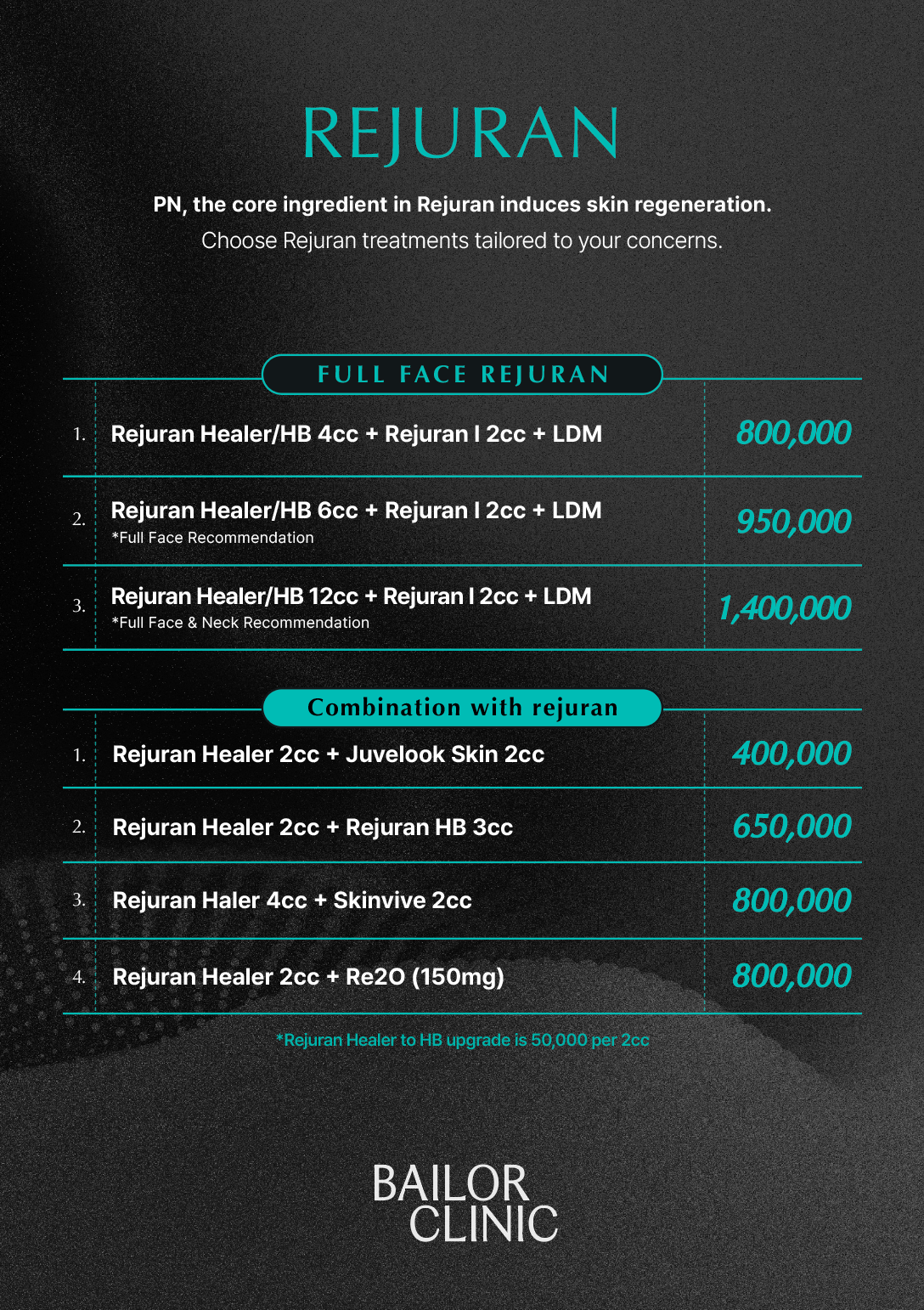
- Tattoo removal with a regeneration booster such as Rejuran or exosomes to support healing
- Tattoo lightening plus cover-up preparation for revision tattoos
- Pico brightening afterwards to correct any remaining post-inflammatory pigmentation
Answers from our doctors Frequently Asked Questions
How many sessions does tattoo removal take?
Most tattoos need 4–8 sessions, although large, dense or multicoloured designs may need more. Your doctor gives an estimate after assessing ink colour, depth and location.
Does laser tattoo removal hurt?
Many people compare it to a rubber band snapping against the skin. Topical numbing and continuous cooling make treatment more comfortable, and sessions are usually short.
Will laser removal leave a scar?
Picosecond lasers reduce the risk of scarring by limiting heat, but no laser is entirely risk-free. Following aftercare carefully and not picking scabs greatly lowers the risk.
Can eyebrow tattoos be removed?
Yes, cosmetic eyebrow tattoos can be lightened or removed. Some cosmetic inks contain pigments that may darken initially, so a test spot is sometimes recommended first.
Can I start removal while visiting Seoul?
Yes. A first session can be done during your stay, and the 6–8 week interval means later sessions can be planned for future visits or continued at home.
Expertise & trust Why patients choose Bailor Clinic

Dr. Jimin Kang
Medical Director · Bailor Clinic, Gangnam
Every treatment plan at Bailor Clinic is designed and performed by a licensed physician. Dr. Kang leads our medical team and reviews treatment protocols so that results look natural, safe and consistent for Korean and international patients alike.
- Doctor-performed only Treatments are carried out by physicians, not delegated to staff.
- Genuine products, strict protocols Premium, authentic formulations and devices used under standardised safety protocols.
- English-speaking support Consultation and aftercare in English via WhatsApp and KakaoTalk.
- Private 1:1 rooms Discreet treatment rooms in Sinsa, near Sinsa and Jamwon stations.
This page is for general information and does not replace a medical consultation. Suitability, number of sessions and results depend on your skin and are confirmed by a doctor at Bailor Clinic.