
What causes hollow under eyes and how are they treated?
Hollow under eyes, or a tear trough deformity, form when fat and bone support beneath the lower eyelid diminish and the skin thins with age, genetics or weight loss. The resulting groove casts a shadow that looks tired. Treatment usually combines a small amount of soft filler placed with a cannula to smooth the transition to the cheek, plus regenerative boosters to thicken delicate under-eye skin.
- Session time
- 20–40 minutes
- Comfort
- Topical or local numbing
- Downtime
- Mild swelling or redness 1–2 days; bruising possible
- Sessions
- Usually 1 filler session; boosters in a short course
- Results
- Immediate smoothing, refining over 2–4 weeks
- Maintenance
- Review every 9–18 months, depending on product
Understanding the concern Why do the under eyes become hollow?
The area between the lower eyelid and the cheek has very little natural padding. Over time several changes deepen the groove known as the tear trough, so light no longer reflects evenly and a shadow forms — often mistaken for dark circles caused by pigment.
Volume loss
Deep fat pads shrink and descend with age, and in some people the hollow is inherited and visible from the twenties.
Thinning skin
Under-eye skin is among the thinnest on the body; reduced collagen makes underlying vessels and muscle more visible.
Bone remodelling
The orbital rim gradually widens, so the eye socket looks deeper and the lower lid less supported.
Lifestyle factors
Rapid weight loss, sun exposure, sleep deprivation and dehydration make hollowness more noticeable.
Suitability Who is suited to non-surgical under-eye rejuvenation?
- A visible groove or sunken look beneath the eyes
- Shadowy dark circles caused by volume loss rather than pigment alone
- A tired or aged appearance despite adequate rest
- Fine lines and thin, crepey skin under the eyes
- An uneven contour where the lower eyelid meets the cheek
If the main problem is protruding fat bags, filler alone may make the area look puffier. In that case your doctor may suggest addressing puffy under eyes or skin laxity first, or recommend a surgical opinion. Filler is not advised during pregnancy or with active infection around the eyes.
Options at Bailor Which treatments restore the under-eye area?
Our Under-Eye Rejuvenation Program is personalised to the depth of the hollow, skin thickness and the anatomy of your tear trough. Many patients benefit from combining volume with skin-quality care.
Under-eye fillers
Soft hyaluronic acid products such as Juvéderm, Restylane, Belotero and Teosyal Redensity II, or Juvelook, gently smooth the hollow. See our dermal fillers page.
Regenerative boosters
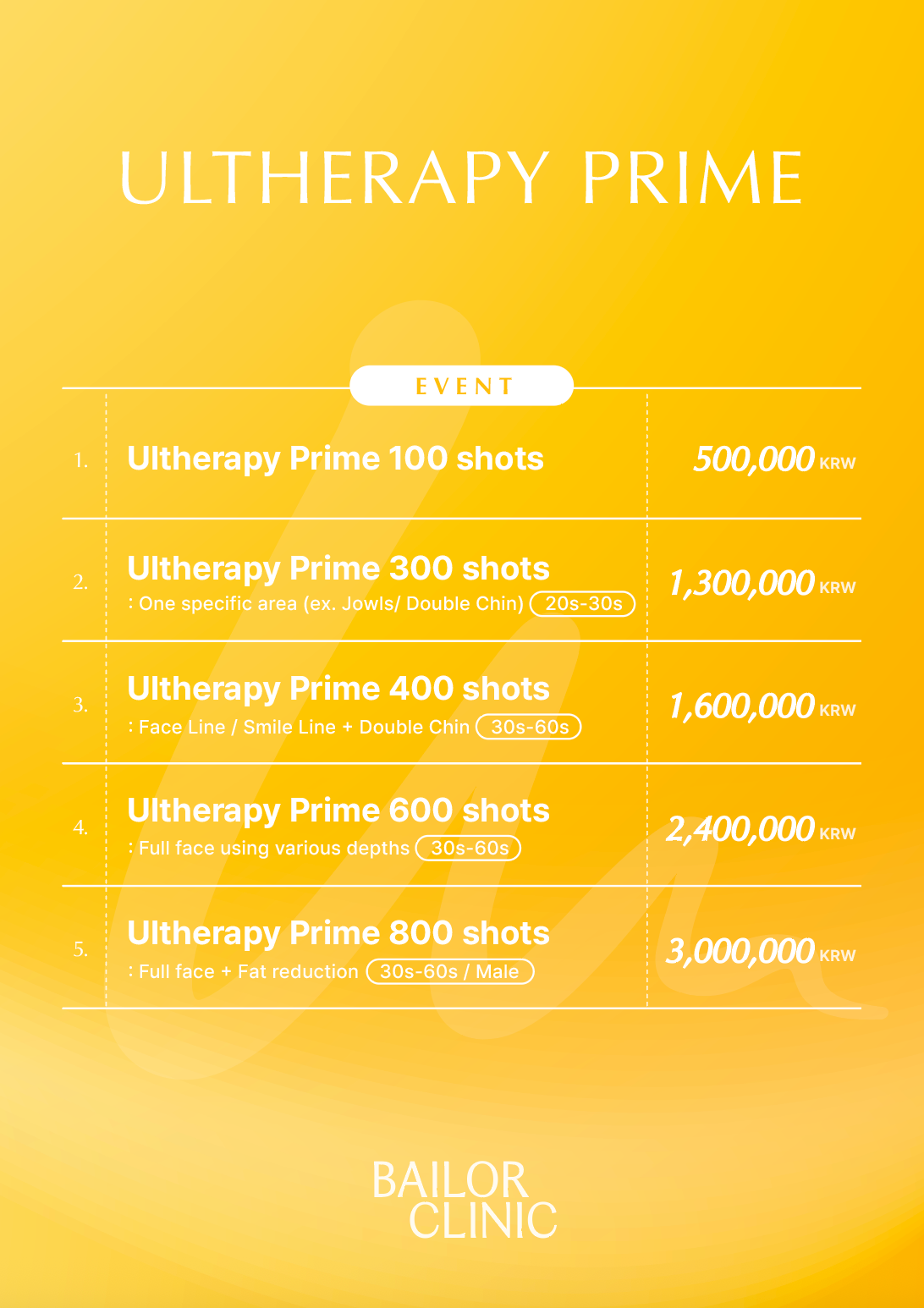
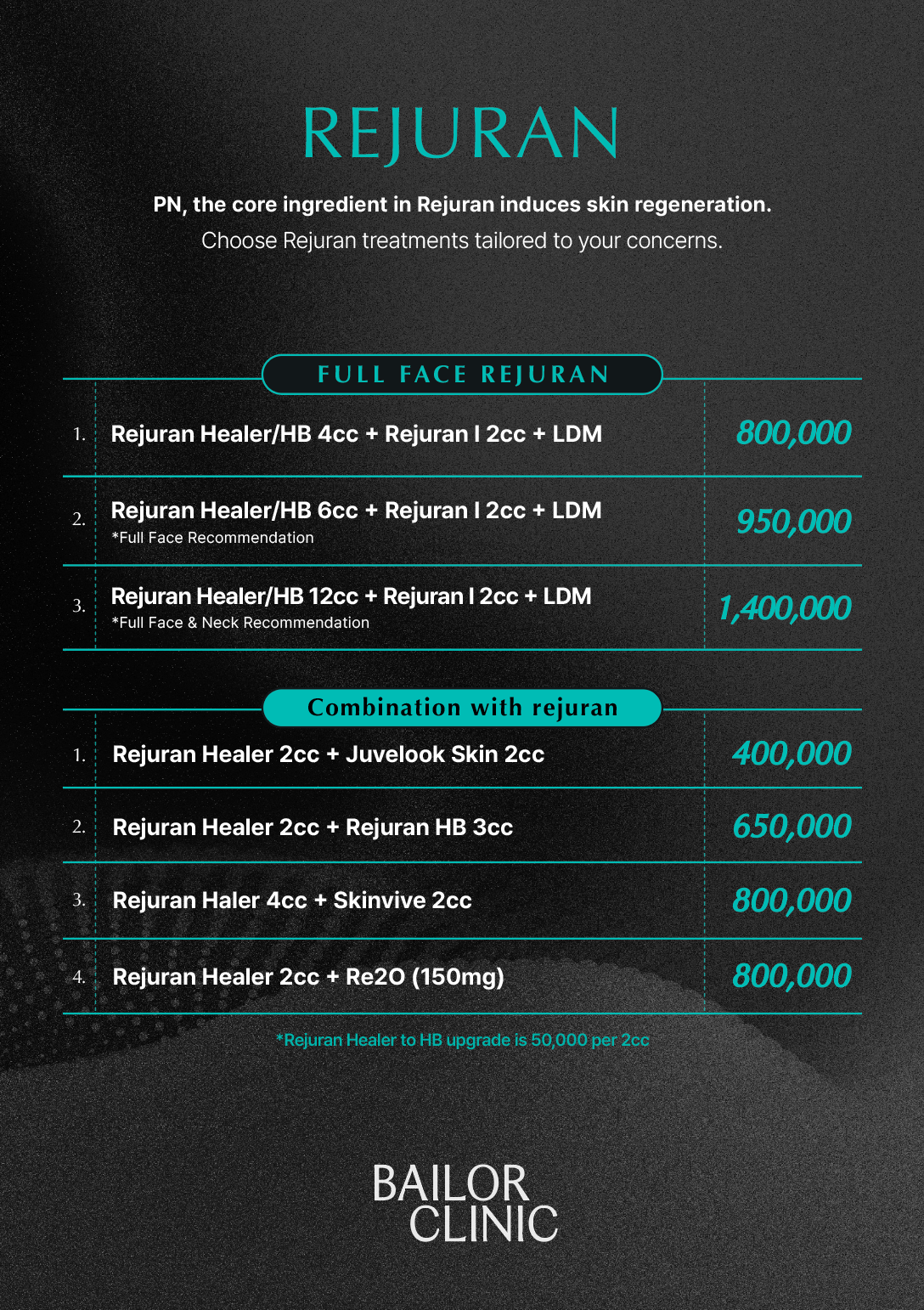
Rejuran Healer, PN, exosomes and Juvelook Volume strengthen thin skin and support collagen.
Microneedle RF
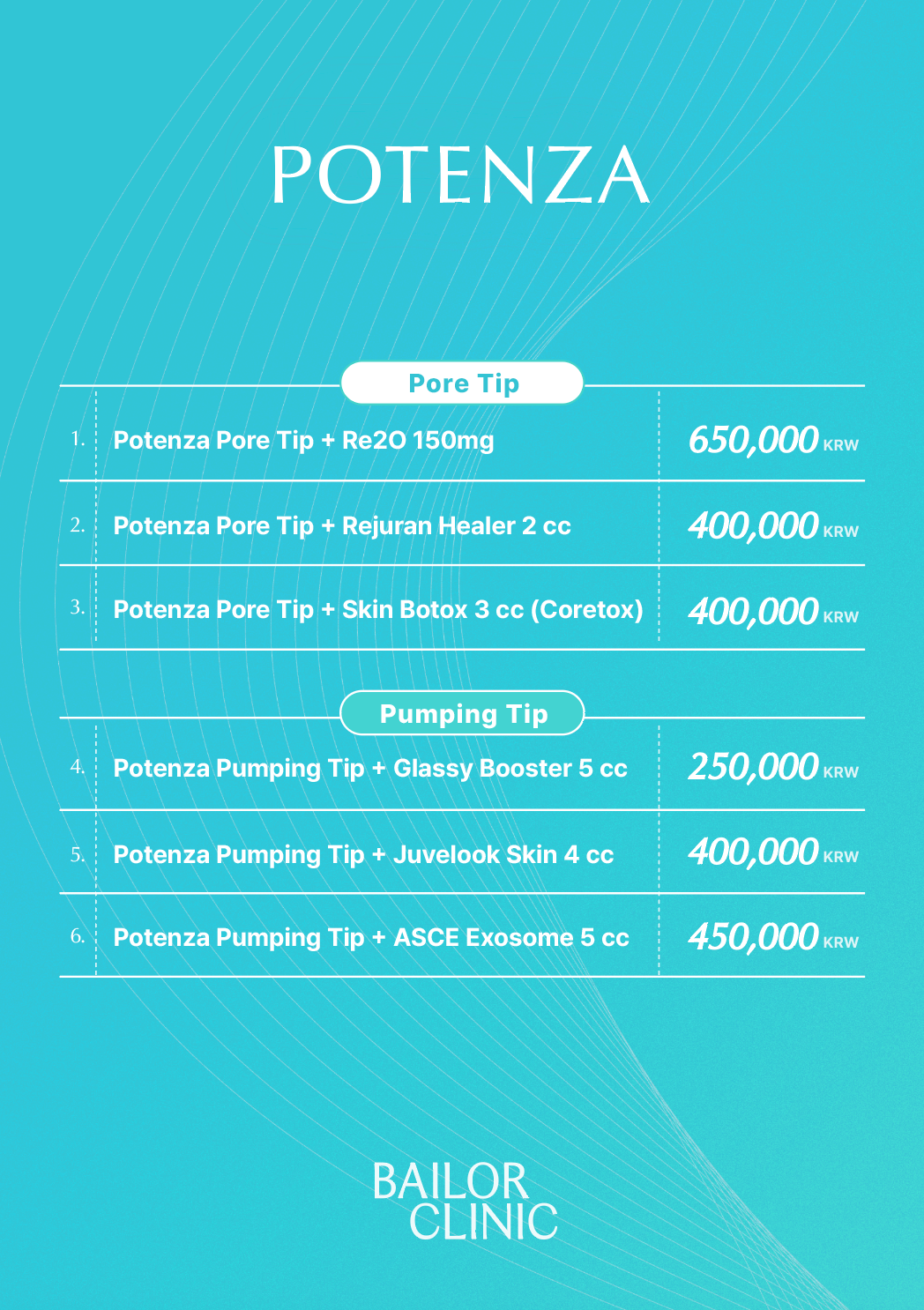
Secret RF and Potenza improve firmness and texture, reducing fine lines and crepiness around the eyes.
Laser rejuvenation
Pico, Genesis and Sylfirm X lasers brighten dark tone and promote a more even eye contour.
 Before
After
Your visit What happens during an under-eye filler appointment?
- Structural assessment A doctor examines the tear trough, fat bags, skin thickness and pigment in different lighting to identify what is causing the shadow.
- Personalised plan We agree whether filler, boosters, RF or laser — or a combination — is appropriate, aiming for a natural, non-puffy result.
- Numbing & treatment After topical or local anaesthetic, small amounts of product are placed with a blunt microcannula, which reduces the risk of bruising and vessel injury. The procedure takes about 20–40 minutes.
- Immediate review You check the result in the mirror with your doctor; a cold compress helps settle any swelling.
- Follow-up A review at around 2 weeks allows a small top-up if needed once swelling has fully resolved.
Safety & aftercare How safe is tear-trough filler and how should I care for it?
The under-eye area requires careful technique because skin is thin and blood vessels lie close to the surface. Using conservative volumes, soft products and a cannula, performed only by a doctor, lowers the risk of lumps, a bluish tint or prolonged swelling. Hyaluronic acid fillers can be dissolved if adjustment is ever needed.
First 48 hours
- Expect mild swelling, redness or small bruises
- Avoid pressing or massaging the area
- Sleep with your head slightly raised
First week
- Avoid sauna, alcohol and strenuous exercise
- Skip eye make-up for 24 hours
- Contact the clinic promptly if you notice increasing pain or skin colour change
Answers from our doctors Frequently Asked Questions
How long does under-eye filler last?
Results commonly last around 9–18 months, depending on the product, your metabolism and how much movement the area has. Regenerative boosters improve skin quality gradually and are usually repeated in a short course.
Will filler make my under eyes look puffy?
Puffiness is usually linked to too much product, an unsuitable filler or treating fat bags with volume. Our doctors use small amounts of soft filler and assess first whether filler is appropriate at all.
Is the treatment painful?
Most patients feel pressure rather than pain. Topical or local numbing is applied, and the cannula technique typically causes less discomfort than multiple needle injections.
Can I fly home after the treatment?
Most international patients can fly within a day or two. We recommend scheduling treatment early in your stay so you can attend a short review before leaving Seoul.
Are hollow under eyes the same as dark circles?
Not always. Hollowness creates a shadow, while dark circles can also be caused by pigment or visible vessels. Many people have a combination. Read about dark circles treatment to compare.
What are the risks of under-eye filler?
Possible effects include swelling, bruising, lumps and, rarely, vascular complications. Choosing a doctor-performed, cannula-based treatment and following aftercare reduces these risks.
Expertise & trust Why patients choose Bailor Clinic

Dr. Jimin Kang
Medical Director · Bailor Clinic, Gangnam
Every treatment plan at Bailor Clinic is designed and performed by a licensed physician. Dr. Kang leads our medical team and reviews treatment protocols so that results look natural, safe and consistent for Korean and international patients alike.
- Doctor-performed only Treatments are carried out by physicians, not delegated to staff.
- Genuine products, strict protocols Premium, authentic formulations and devices used under standardised safety protocols.
- English-speaking support Consultation and aftercare in English via WhatsApp and KakaoTalk.
- Private 1:1 rooms Discreet treatment rooms in Sinsa, near Sinsa and Jamwon stations.
This page is for general information and does not replace a medical consultation. Suitability, number of sessions and results depend on your skin and are confirmed by a doctor at Bailor Clinic.