
What is melasma and how is it treated?
Melasma is a chronic form of hyperpigmentation that appears as symmetrical brown or grey-brown patches, usually on the cheeks, forehead and upper lip. It is triggered by UV exposure, hormones and genetics. Because it can sit deep in the skin and flare when irritated, melasma is best managed with low-energy laser toning, barrier repair and strict sun protection over a course of sessions, rather than aggressive one-off treatments.
- Session time
- 30–45 minutes
- Typical course
- 5–10 sessions, 1–2 weeks apart
- Downtime
- Mild redness for a few hours
- First changes
- After 3–5 sessions
- Approach
- Laser toning + boosters + home care
- Maintenance
- Every 1–3 months
Understanding melasma What causes melasma?
Melasma develops when pigment-producing cells (melanocytes) become overactive. Unlike freckles or age spots, the pigment can sit in the epidermis, the dermis or both — which is why it is more stubborn and can return if treated too aggressively.
Sun exposure
UV and visible light are the strongest triggers and the main reason melasma darkens in summer.
Hormonal changes
Pregnancy, oral contraceptives and hormone therapy commonly trigger or worsen patches.
Genetics & skin type
Melasma is more common in medium to darker skin tones and often runs in families.
Heat & inflammation
Heat, harsh peels or irritation can stimulate pigment cells and cause rebound darkening.
Suitability Who is this programme for?
- Brown or grey-brown patches on the cheeks, forehead or upper lip
- Pigmentation that appeared after pregnancy or hormonal changes
- Melasma that returned after previous laser or peel treatments
- Dull, uneven skin tone combined with pigment patches
- Patients looking for a gentle approach with no social downtime
Options at Bailor How we treat melasma at Bailor Clinic
Your doctor first classifies your melasma (epidermal, dermal or mixed) and then combines treatments to suppress pigment production, repair the dermis and strengthen the barrier.
Low-energy laser toning
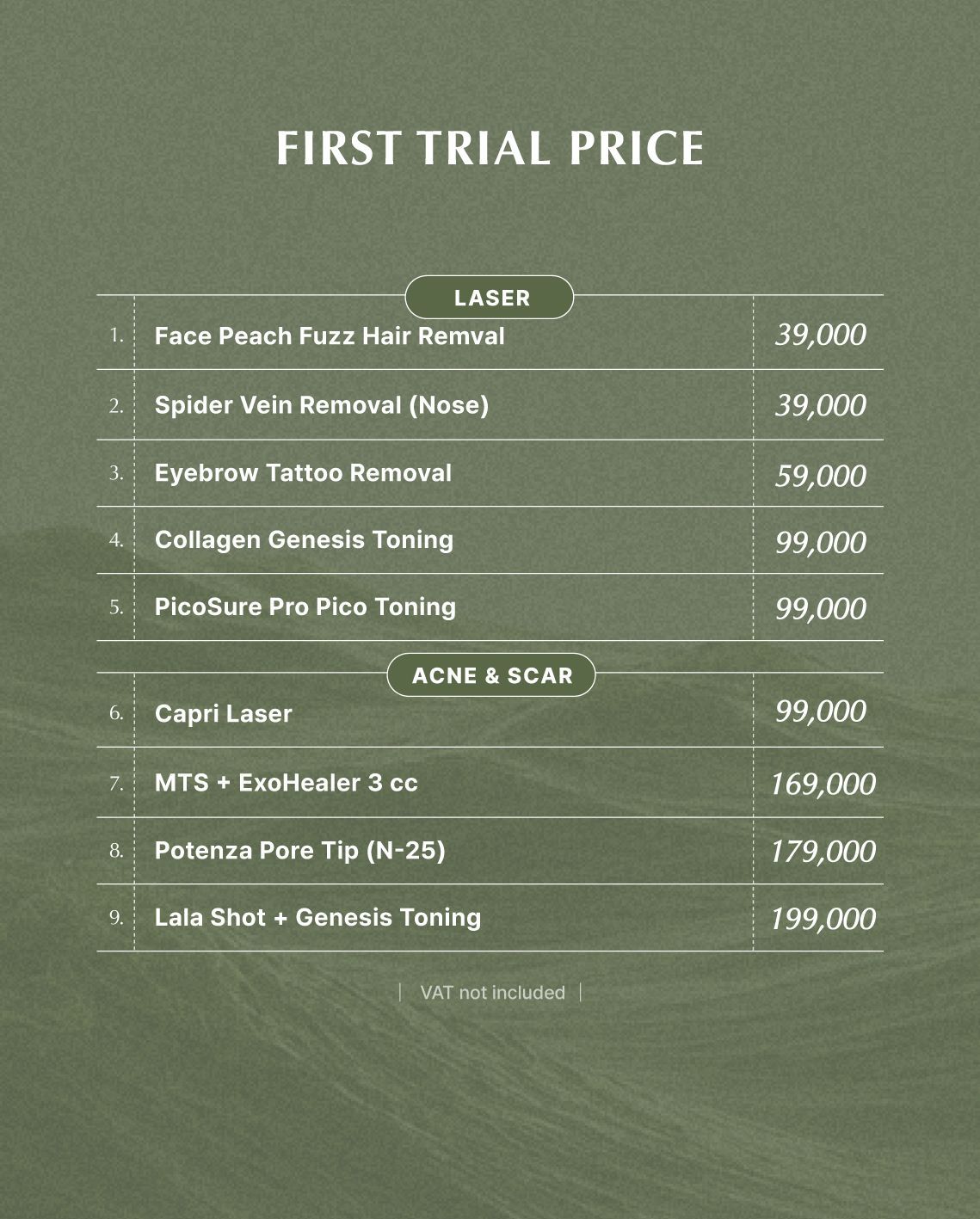
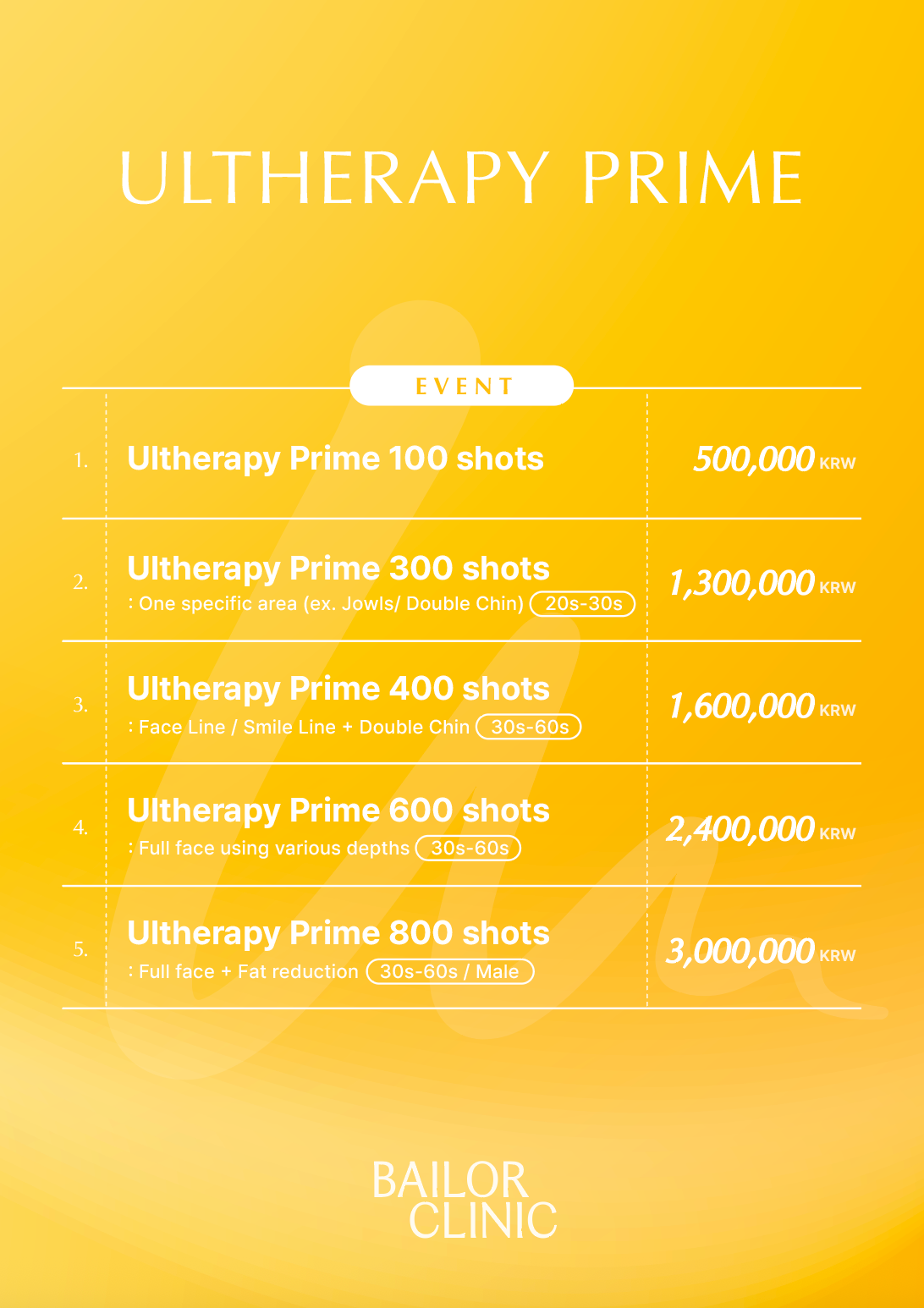
Pico toning and laser toning break up pigment gently without overheating the skin.
Vascular & dermal targeting
Sylfirm X addresses the abnormal blood vessels and basement membrane that keep melasma active.
Regenerative boosters
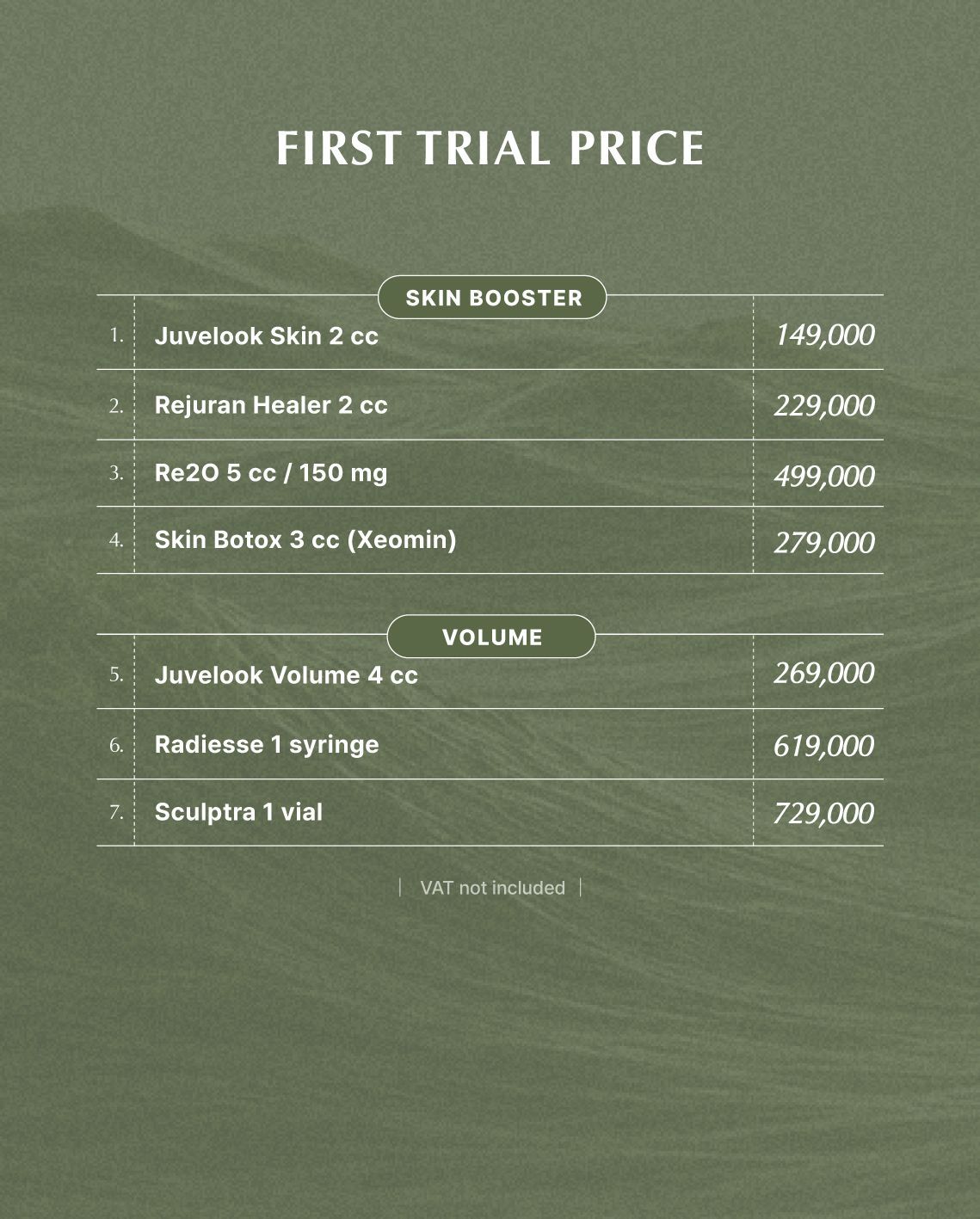
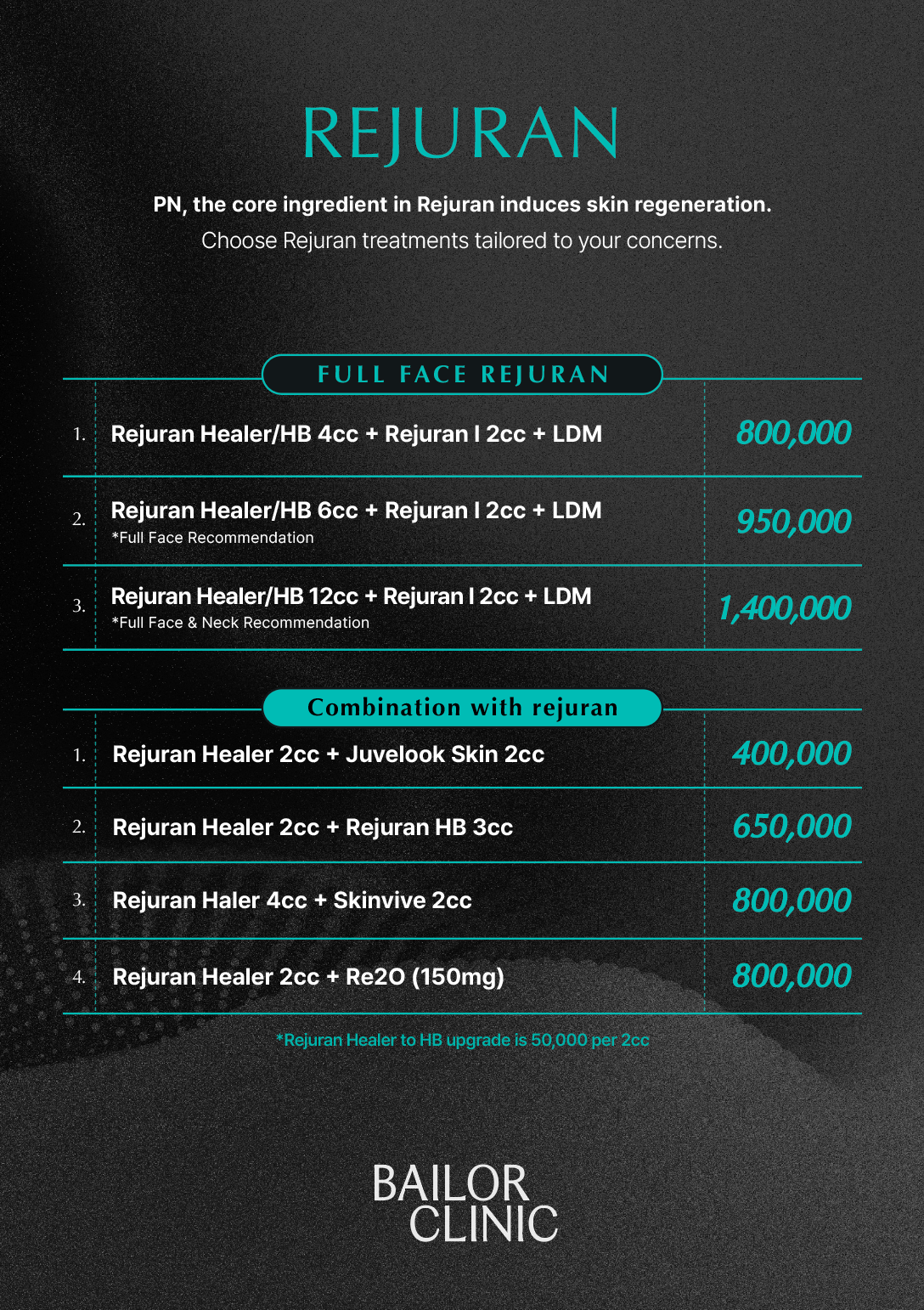
Rejuran Healer or exosomes calm inflammation and repair the barrier to help prevent recurrence.
Brightening support
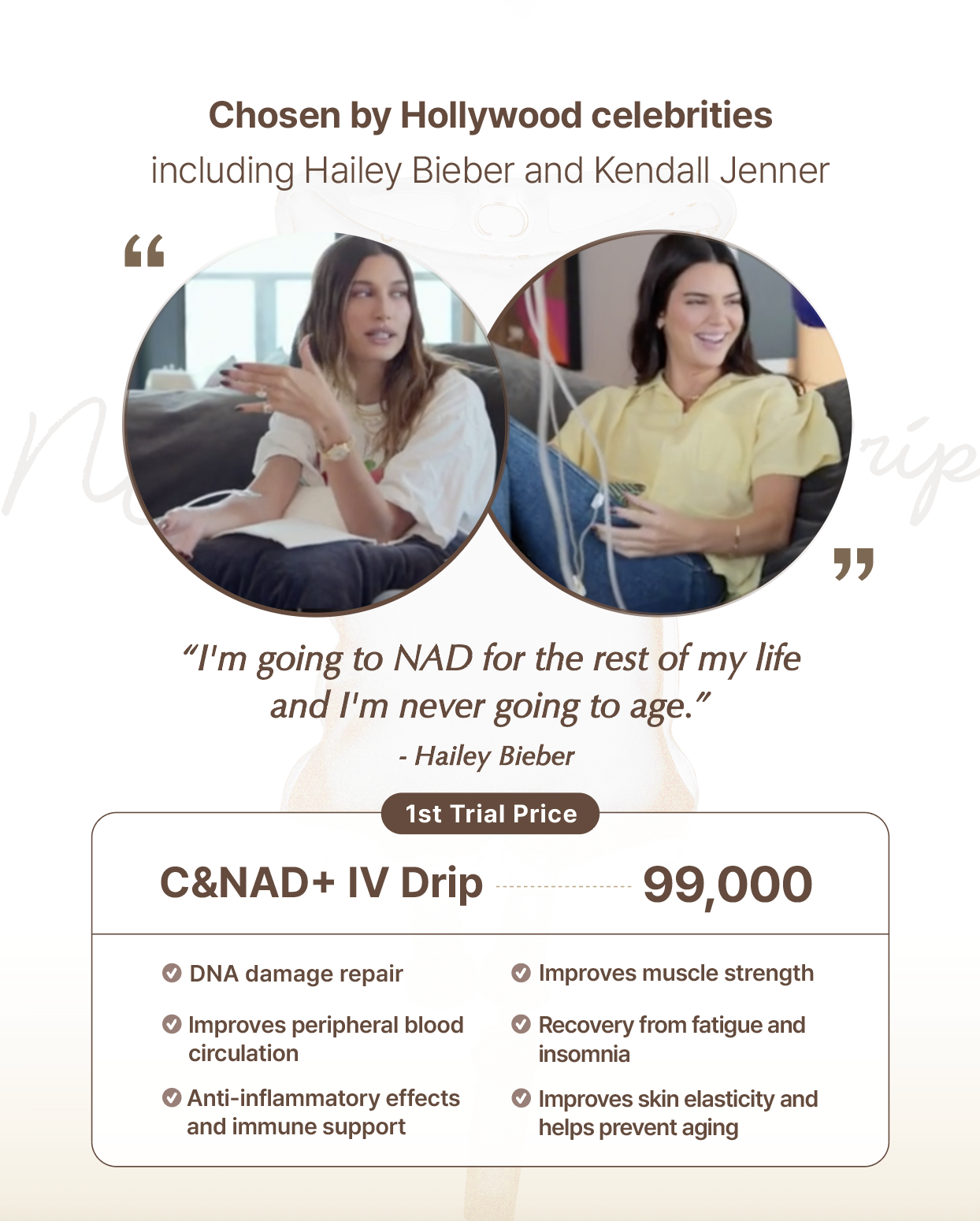
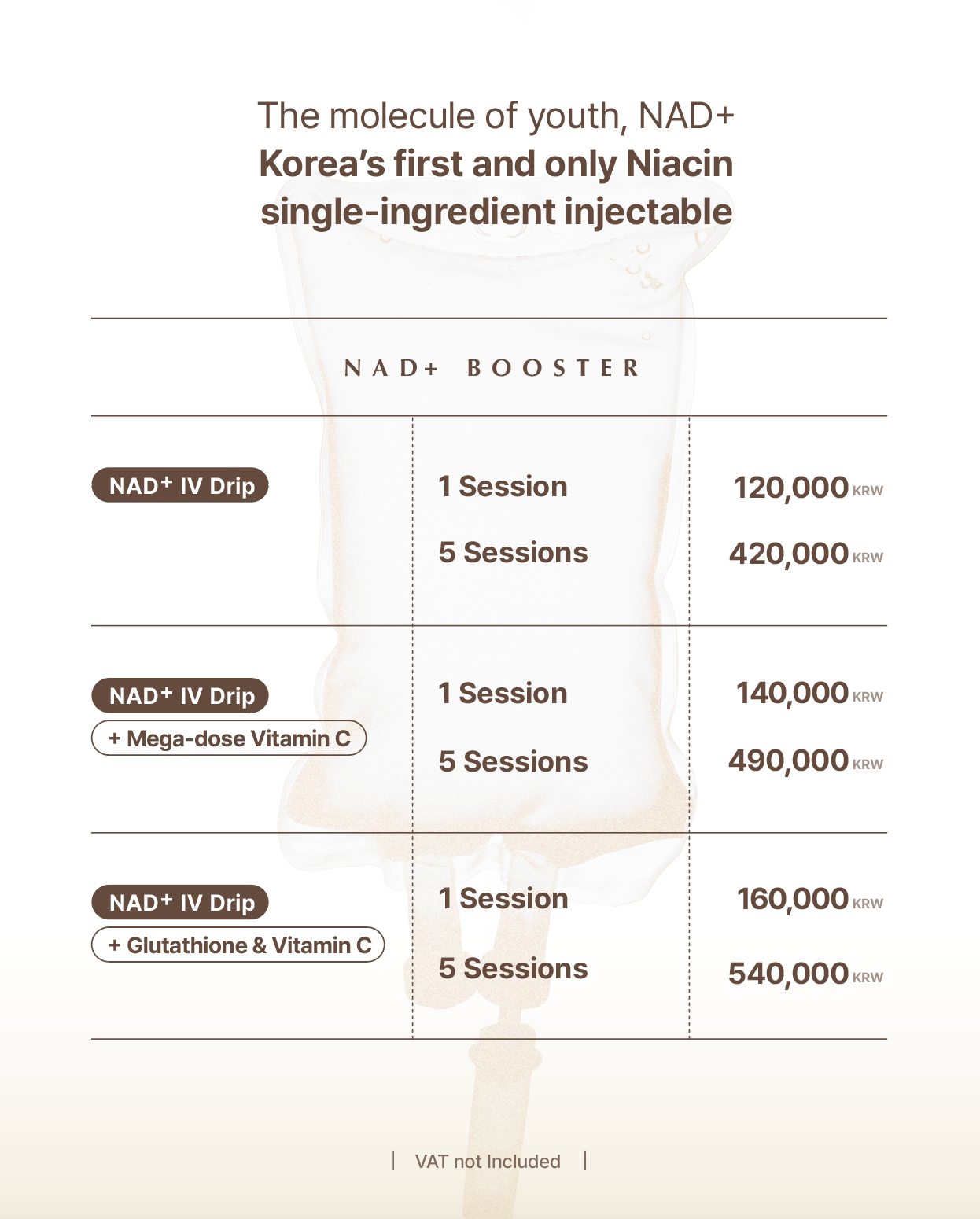
Glutathione IV and prescribed home care support an even, clearer tone between sessions.
 Before
After
Your visit What to expect, session by session
- Skin analysis & classification A doctor assesses depth and pattern of pigmentation and reviews triggers such as hormones and sun habits.
- Personalised plan We agree the combination, number of sessions and home-care routine, with realistic expectations.
- Gentle treatment session Laser toning and/or boosters take 30–45 minutes with mild warmth or tingling.
- Calming & protection A soothing mask and sunscreen are applied; most people return to daily activities immediately.
Long-term results Aftercare and preventing recurrence
Melasma can be controlled very well but is rarely “cured” for good. Consistent protection is what keeps results stable.
Daily habits
- Broad-spectrum SPF 50+, reapplied every 2–3 hours outdoors
- A hat or shade during strong sunlight
- Avoid saunas and very hot environments
Skincare
- Gentle cleansing; no harsh scrubs or strong peels
- Brightening products recommended by your doctor
- Maintenance toning every 1–3 months
Answers from our doctors Frequently Asked Questions
Can melasma be removed permanently?
Melasma is a chronic condition, so the aim is long-term control rather than a permanent cure. With a course of gentle treatments, daily sun protection and occasional maintenance sessions, most patients keep a noticeably clearer, more even tone.
How many sessions will I need?
Most patients need 5–10 sessions spaced 1–2 weeks apart, depending on the depth of pigmentation. Early improvement is often visible after 3–5 sessions.
Is laser treatment safe for melasma on Asian or darker skin?
Yes, when it is performed with low-energy settings designed for pigment-prone skin. Aggressive high-energy lasers can trigger rebound pigmentation, which is why our doctors use gentle toning protocols and barrier repair.
Is there downtime?
There is usually no social downtime. Mild redness or warmth can last a few hours, and you can apply make-up and return to work the same day.
What is the difference between melasma and other pigmentation?
Freckles and sun spots are usually small and well defined, while melasma forms larger, symmetrical patches linked to hormones and UV. Melasma also needs a gentler approach. Read more about pigmentation and post-inflammatory hyperpigmentation.
Can I start treatment while visiting Seoul?
Yes. We can begin your plan during your stay and give you a home-care routine to continue. Message us on WhatsApp or KakaoTalk before you travel so we can schedule sessions around your trip.
Expertise & trust Why patients choose Bailor Clinic

Dr. Jimin Kang
Medical Director · Bailor Clinic, Gangnam
Every treatment plan at Bailor Clinic is designed and performed by a licensed physician. Dr. Kang leads our medical team and reviews treatment protocols so that results look natural, safe and consistent for Korean and international patients alike.
- Doctor-performed only Treatments are carried out by physicians, not delegated to staff.
- Genuine products, strict protocols Premium, authentic formulations and devices used under standardised safety protocols.
- English-speaking support Consultation and aftercare in English via WhatsApp and KakaoTalk.
- Private 1:1 rooms Discreet treatment rooms in Sinsa, near Sinsa and Jamwon stations.
This page is for general information and does not replace a medical consultation. Suitability, number of sessions and results depend on your skin and are confirmed by a doctor at Bailor Clinic.