
What is post-inflammatory hyperpigmentation (PIH)?
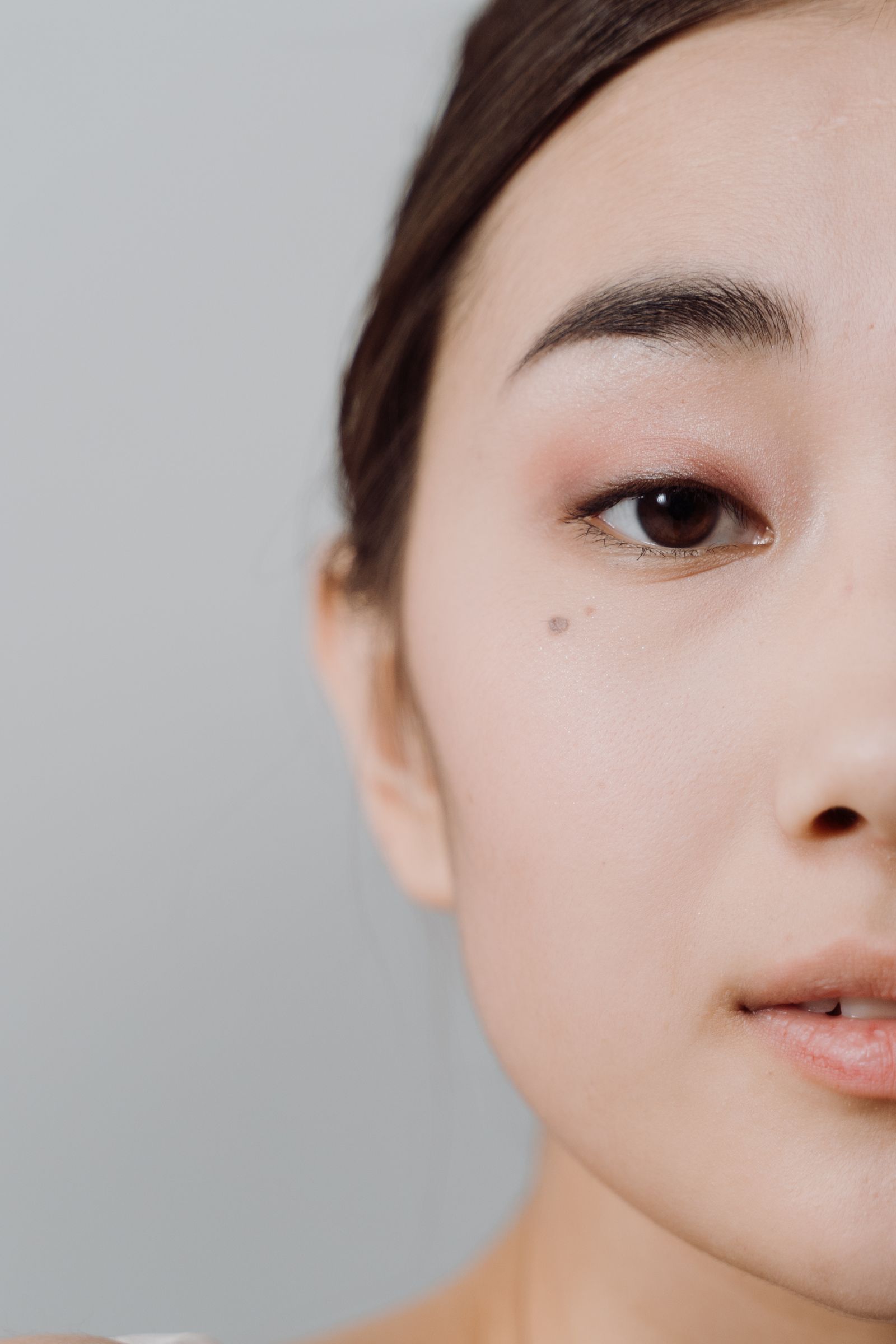
Post-inflammatory hyperpigmentation is a flat brown or dark mark that remains after the skin has been inflamed — most often by acne, eczema, insect bites, burns, harsh peels or laser treatment. Inflammation stimulates melanocytes to overproduce pigment. PIH often fades slowly on its own, but sun protection, barrier repair and low-energy laser toning can speed clearance noticeably over several weeks to months.
- Session time
- 20–60 minutes
- Comfort
- Gentle; minimal heat sensation
- Downtime
- Mild redness for a few hours
- Typical course
- 4–8 sessions, 2–4 weeks apart
- First changes
- Often within 4–8 weeks
- Maintenance
- Daily SPF; treat new breakouts early
Understanding PIH Why does skin darken after inflammation?
When skin is injured or inflamed, chemical messengers released during healing switch melanocytes into overdrive. The extra melanin either stays in the upper skin, producing a light-to-dark brown mark, or drops into the dermis, giving a greyer, more stubborn tone. PIH is more frequent and longer-lasting in medium and darker skin, including most Asian skin types.
PIH is different from post-acne redness(pink or red marks caused by dilated vessels) and from true acne scars, which change the skin surface. Many patients have a mix of all three, so identifying each one shapes the plan.
Acne and breakouts
The most common trigger, especially when spots are squeezed or picked.
Procedures and peels
Overly aggressive lasers, peels or waxing can leave temporary darkening.
Skin conditions
Eczema, contact dermatitis and insect bites can all leave marks behind.
Sun exposure
UV light darkens healing skin and makes existing marks last longer.
Suitability Who benefits from PIH treatment?
- Brown or dark marks left after acne or breakouts
- Pigmentation following irritation, peeling or a previous laser
- A dull or uneven skin tone after a period of inflammation
- Sensitive or easily reactive skin that needs a gentle approach
- Post-acne redness that is gradually turning brown
If you still have active acne, controlling breakouts comes first — otherwise new marks keep forming. Your doctor may combine PIH care with acne facials or medical acne treatment.
Options at Bailor How does Bailor Clinic treat PIH?
Our PIH Recovery Program focuses on three goals: reducing inflammation, regulating melanin production and strengthening the barrier. Settings are always kept conservative, because over-treating PIH can create more pigment.
Laser toning
PicoWay, PicoSure, Genesis and Excel V gently break up residual pigment and calm redness.
Regenerative boosters
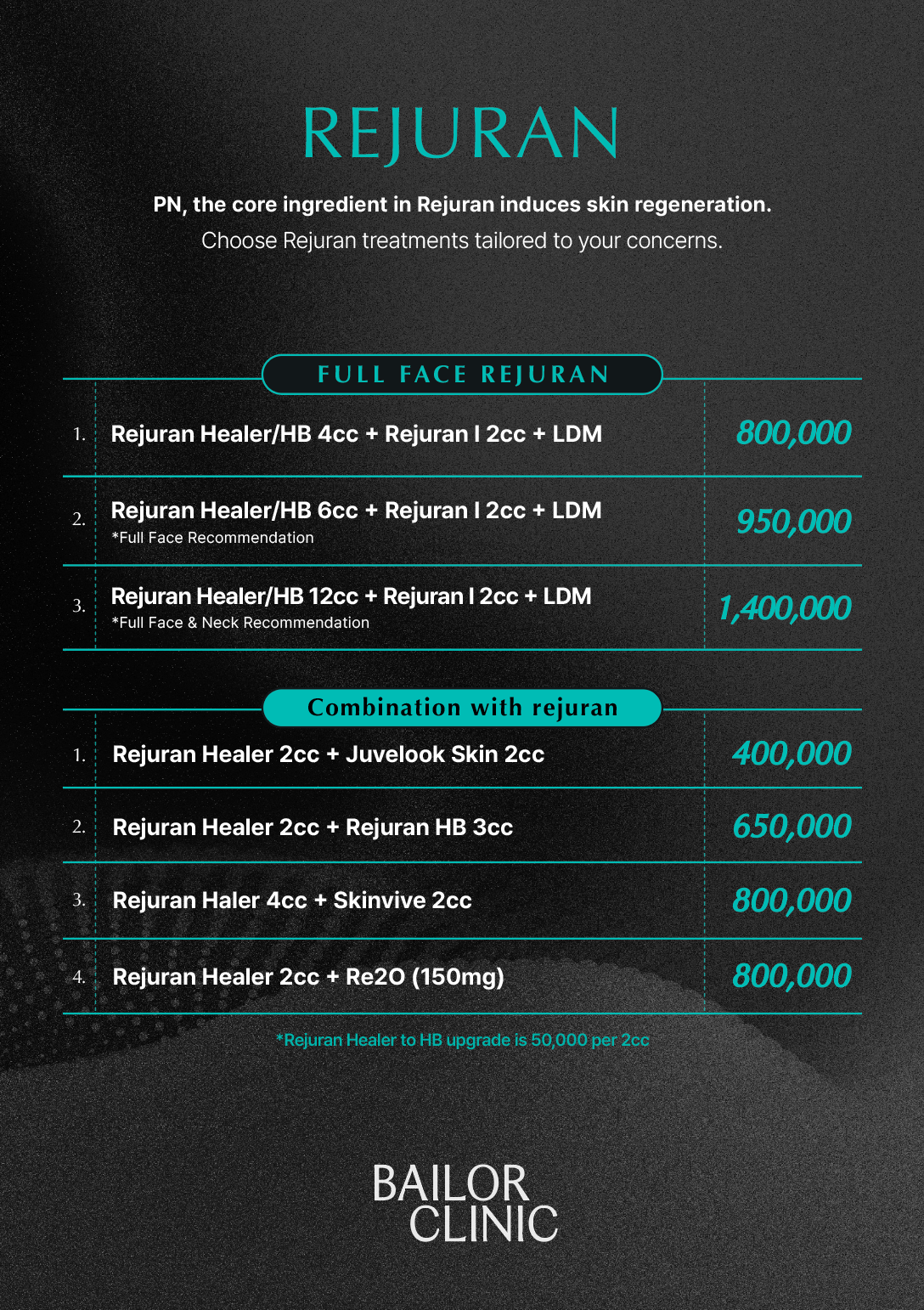
Rejuran Healer, Juvelook, exosomes and PN therapy support tissue repair and soothe reactive skin.
Microneedle RF
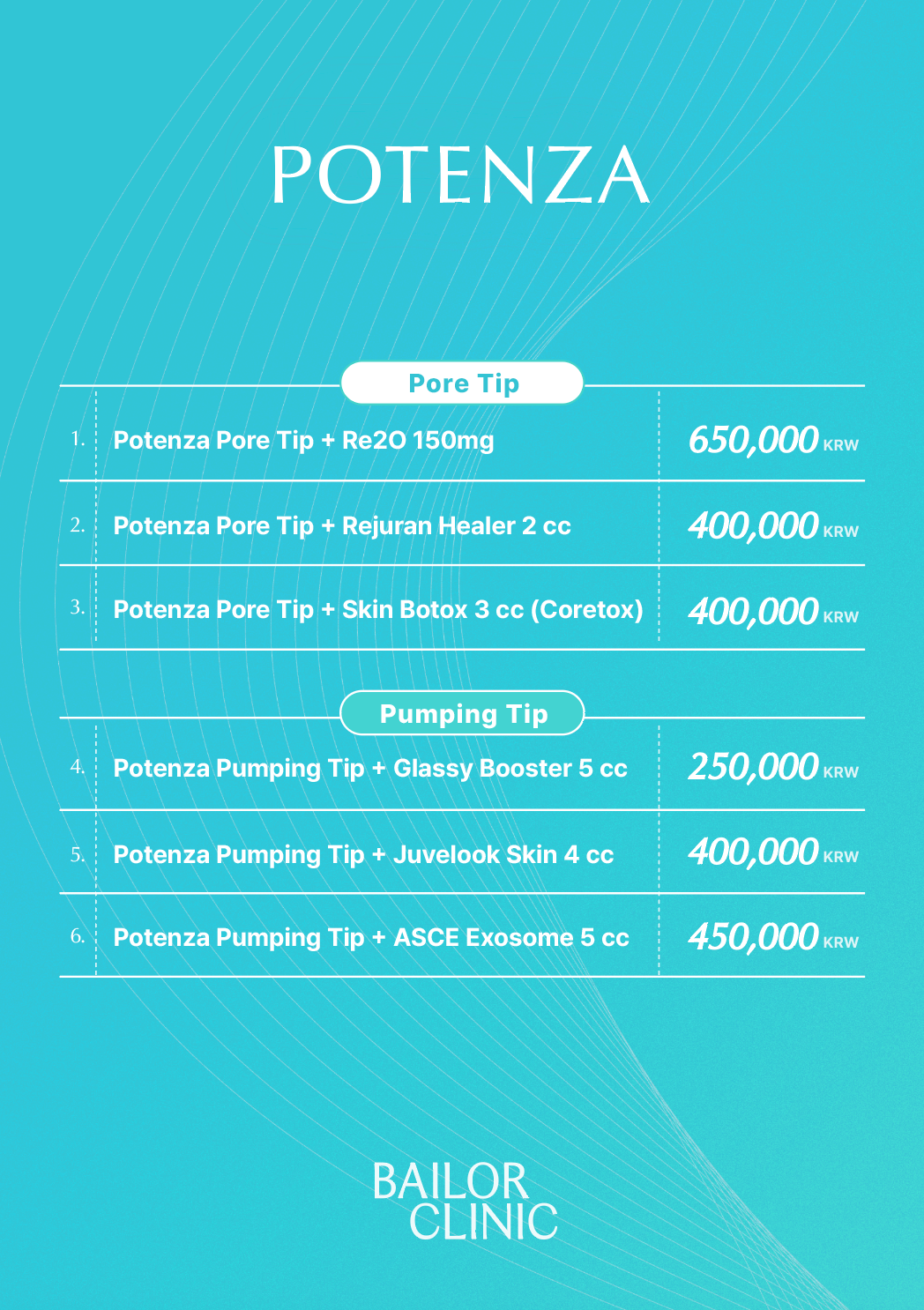
Secret RF and Potenza improve texture and collagen turnover where marks sit alongside shallow scarring.
Barrier care & brightening
Aqua Peel, LHALALA or mild peels and glutathione or vitamin C drips support clearer, more resilient skin.
 Before
After
Your visit What does a PIH treatment session involve?
- Digital skin analysis A doctor maps pigment depth, redness and any active acne, and reviews your current skincare.
- Personalised plan We combine treatments according to sensitivity and recovery level, and set realistic timings.
- Gentle session Treatments last 20–60 minutes with minimal heat; most patients find them comfortable.
- Calming finish A soothing mask and sunscreen are applied; mild redness usually settles within hours.
- Progress review Photographs at each visit let us track gradual lightening and adjust the plan.
Home care What can I do at home to help PIH fade?
Do
- Apply SPF 50+ every morning and reapply outdoors
- Use a gentle cleanser and barrier-repair moisturiser
- Introduce brightening ingredients your doctor recommends
- Treat new spots early to prevent new marks
Avoid
- Picking or squeezing blemishes
- Scrubs, strong acids and over-exfoliation
- Unsupervised high-strength home peels
- Prolonged sun exposure in the weeks after treatment
Consistency at home typically matters as much as in-clinic sessions. Most patients see steady lightening within weeks, with deeper marks taking several months.
Answers from our doctors Frequently Asked Questions
Will PIH go away on its own?
Superficial PIH often fades by itself over 6–12 months, provided the skin is protected from sun and further inflammation. Deeper marks can persist for longer. Treatment aims to shorten that time and prevent new marks.
How is PIH different from acne scars?
PIH is a flat colour change with no change in skin surface, whereas acne scars are depressions or raised areas. Pigment usually fades with the right care; scars typically need collagen-remodelling treatments such as microneedle RF.
Can laser treatment make PIH worse?
It can if settings are too aggressive. That is why our doctors use low-energy toning, space sessions appropriately and prioritise barrier repair, especially for darker or sensitive skin.
How many sessions will I need?
Many patients need around 4–8 sessions spaced 2–4 weeks apart, depending on depth and skin type. Improvement is usually gradual rather than immediate.
Can I treat PIH while I still have acne?
Yes, but active acne should be controlled at the same time. Combining PIH care with acne management prevents new marks forming. See our acne programme.
Is there any downtime?
Most PIH treatments involve little downtime — mild redness for a few hours. You can usually return to work and wear make-up the following day.
Expertise & trust Why patients choose Bailor Clinic
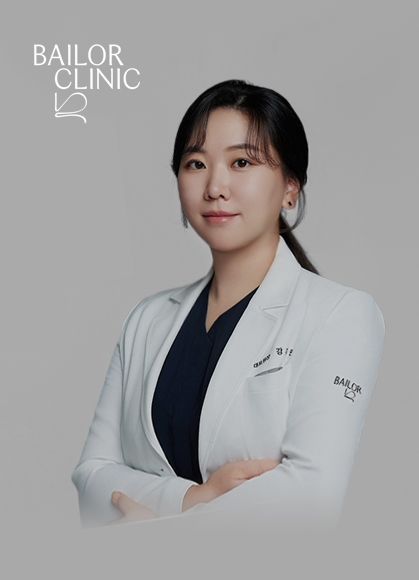
Dr. Jimin Kang
Medical Director · Bailor Clinic, Gangnam
Every treatment plan at Bailor Clinic is designed and performed by a licensed physician. Dr. Kang leads our medical team and reviews treatment protocols so that results look natural, safe and consistent for Korean and international patients alike.
- Doctor-performed only Treatments are carried out by physicians, not delegated to staff.
- Genuine products, strict protocols Premium, authentic formulations and devices used under standardised safety protocols.
- English-speaking support Consultation and aftercare in English via WhatsApp and KakaoTalk.
- Private 1:1 rooms Discreet treatment rooms in Sinsa, near Sinsa and Jamwon stations.
This page is for general information and does not replace a medical consultation. Suitability, number of sessions and results depend on your skin and are confirmed by a doctor at Bailor Clinic.