
What is laser resurfacing?
Laser resurfacing uses controlled laser energy to remove or stimulate the outer layers of skin and trigger collagen renewal underneath. Fractional lasers create tiny micro-channels surrounded by untouched skin, so healing is faster than with traditional resurfacing. It is used to improve acne scars, uneven texture, fine lines, enlarged pores, sun damage and dull tone, typically over 3–6 sessions planned according to skin type and downtime preference.
- Session time
- 30–60 minutes
- Comfort
- Numbing cream if needed; warm or prickly
- Downtime
- Little to none for light lasers; 2–7 days for deeper resurfacing
- Typical course
- 3–6 sessions, several weeks apart
- Results
- Smoother feel at once; collagen gains over 4–12 weeks
- Aftercare
- SPF 50 and barrier care; no actives until advised
What it improves What can laser resurfacing improve?
Resurfacing works on both the surface and the dermis, so it can address several concerns at once. Our doctors tailor each programme to skin type, sensitivity and how much downtime you can accommodate.
- Acne scars and uneven skin texture
- Fine lines and crepey skin
- Enlarged pores
- Sun damage and a dull tone
- Pigmentation irregularities, assessed case by case
- Early signs of ageing
Options at Bailor Which resurfacing options do we offer?
Your plan is customised after a full skin assessment, choosing between a subtle glow with no downtime and deeper remodelling with a short recovery.
Fractional laser resurfacing
Controlled micro-channels stimulate renewal to improve texture, tone and scarring. See Fraxel.
Soft-polish laser and toning
Gentle passes for radiance and clarity with minimal downtime, such as laser toning.
Hybrid layering programmes
Laser combined with collagen stimulation such as RF microneedling for gradual, natural rejuvenation.
Repair add-ons
Barrier-support serums, soothing care or hydration boosters to enhance healing where appropriate.
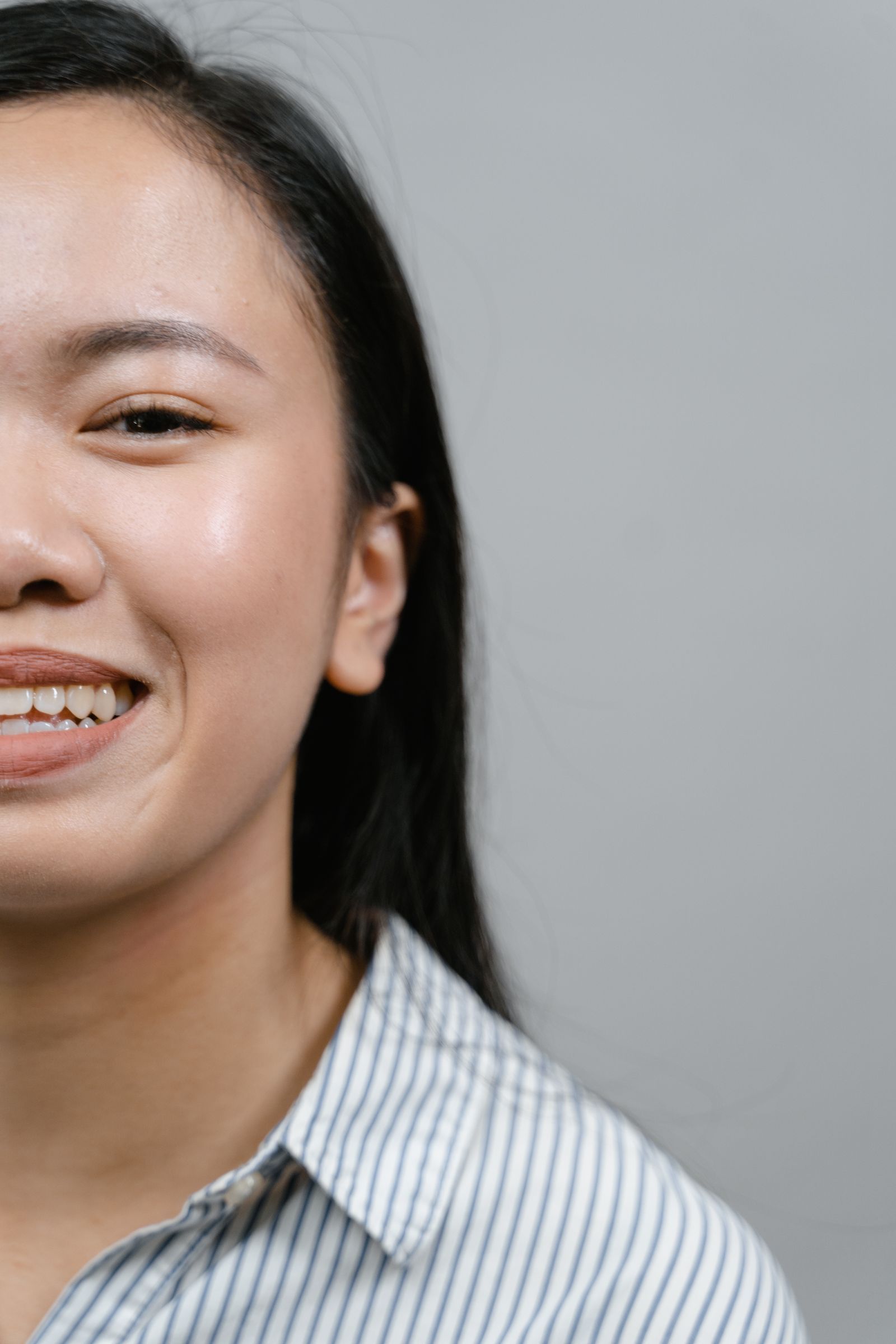 Before
After
Choosing intensity Light polishing or deeper resurfacing — which is right for me?
Light polishing
- Little to no downtime
- Best for glow, mild texture and pores
- More sessions, gentler steps
- Suitable before events or during travel
Deeper resurfacing
- Redness and peeling for 2–7 days
- Best for scars, deeper lines and marked texture
- Fewer sessions, stronger remodelling
- Requires a planned recovery window
Settings and device choice are adjusted for skin tone. Darker or pigment-prone skin is usually treated with more conservative parameters to reduce the risk of post-inflammatory pigmentation.
Your visit What happens during a resurfacing session?
- Skin evaluation and plan A doctor assesses your skin and discusses downtime versus no-downtime options.
- Preparation Numbing cream is applied if needed for comfort.
- Controlled laser passes The laser is applied with cooling; deeper passes may feel warm or prickly. Sessions take 30–60 minutes.
- Calming finish Soothing care is applied and you receive written post-care instructions.
Results and aftercare What is the results timeline, and how should I care for my skin?
Skin feels smoother with a gentle glow straight away. Texture clarity improves over 1–2 weeks, and collagen gains with more refined pores continue over 4–12 weeks. For scars and texture, a series of sessions gives the best outcome.
Do
- Keep skin moisturised and protected with SPF 50
- Use gentle, barrier-focused skincare
- Follow your personalised post-care plan
Avoid
- Heat, saunas and workouts for 24–48 hours
- Scrubs, retinoids or acids until instructed
- Picking at peeling skin
Resurfacing is not suitable with active infection, recent sunburn or certain medical conditions; your doctor will review eligibility.
Answers from our doctors Frequently Asked Questions
How many sessions will I need?
Typically 3–6 sessions spaced several weeks apart, depending on the depth of scarring or texture and your goals. Light polishing may need more frequent, gentler sessions.
Is laser resurfacing painful?
Numbing cream makes the treatment comfortable for most patients. Deeper passes may feel warm or prickly, and cooling is used throughout.
Can it be combined with other treatments?
Yes. Resurfacing is often paired with RF microneedling, skin boosters or facials in a programme. Sequencing is customised by your doctor. See skin boosters.
Is it safe for sensitive or darker skin tones?
Settings and device selection are adjusted by skin type to minimise irritation and pigment risk. Conservative parameters and barrier care are used for pigment-prone skin.
How much downtime should I expect?
Light polishing lasers have little to no downtime. Deeper resurfacing may cause redness and peeling for 2–7 days, depending on settings.
When will I see the final result?
You will feel smoother skin immediately, but collagen remodelling continues for 4–12 weeks after each session, so the full result appears after the course is complete.
Expertise & trust Why patients choose Bailor Clinic
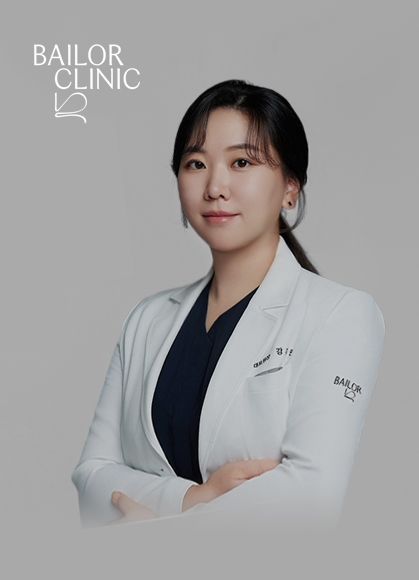
Dr. Jimin Kang
Medical Director · Bailor Clinic, Gangnam
Every treatment plan at Bailor Clinic is designed and performed by a licensed physician. Dr. Kang leads our medical team and reviews treatment protocols so that results look natural, safe and consistent for Korean and international patients alike.
- Doctor-performed only Treatments are carried out by physicians, not delegated to staff.
- Genuine products, strict protocols Premium, authentic formulations and devices used under standardised safety protocols.
- English-speaking support Consultation and aftercare in English via WhatsApp and KakaoTalk.
- Private 1:1 rooms Discreet treatment rooms in Sinsa, near Sinsa and Jamwon stations.
This page is for general information and does not replace a medical consultation. Suitability, number of sessions and results depend on your skin and are confirmed by a doctor at Bailor Clinic.